
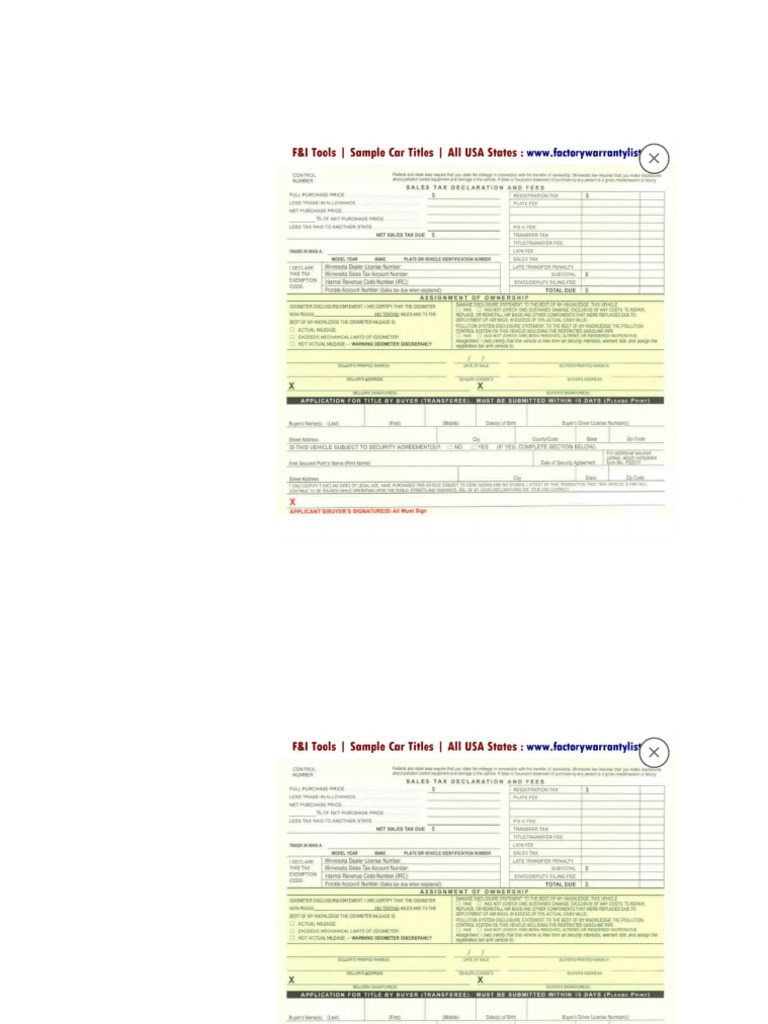
Have you ever found yourself pondering the significance of a blue title? In the realm of car ownership, titles serve as the holy grail, validating your claim to a vehicle. This one piece of paper encapsulates an intriguing legal and financial narrative. But when it comes to colors and types, the world of vehicle titles can be a bit of a conundrum. What does a blue title really signify? Let’s unravel this mystery.
A vehicle title, at its core, is a formal declaration of ownership. It contains vital information such as the make, model, and year of the car, along with the Vehicle Identification Number (VIN). However, the color of the title can tell you more than just the owner’s name; it hints at the history, condition, and even the status of the vehicle. Among various types, the blue title has a distinctive significance that warrants thorough scrutiny.
So, what does a blue title mean? Typically, when you encounter a blue title, it indicates that the vehicle has been deemed “clean” by the issuing authority. In most jurisdictions, a blue title represents an official document that certifies a vehicle is free of any liens and has not been branded as totaled, salvaged, or reconstructed. If you’re hoping to purchase a car, a blue title can be a beacon of assurance about the integrity of the vehicle.
However, a blue title does not tell the whole story. It raises essential questions. Have you ever wondered what happens when a vehicle transfers ownership multiple times, or when it finds its way to your garage after residing in a storm-hit region? Titles can sometimes create a nuanced tapestry of ownership—a landscape mayhem, if you will. It’s crucial to be aware of the implications that come with not just a blue title but other title types as well.
The following sections will delve deeper into the world of vehicle titles, elucidating various types beyond the blue title and their implications for prospective car owners.
1. Types of Vehicle Titles
Vehicle titles are categorized into several types, each with its own significance:
- Blue Title: Clean, confirming no unpaid loans or major accidents.
- Salvage Title: This reflects a vehicle that has been declared a total loss by an insurance company but has since been repaired and restored.
- Reconstructed Title: Similar to a salvage title, this is issued after a salvage vehicle has been rebuilt. It’s important to scrutinize these vehicles, as they can exhibit unforeseen issues.
- Junk Title: This title implies that the car is not legally operable, often due to severe damage or age. Essentially, it’s the grave marker of vehicles deemed unsalvageable.
Each of these title types poses its own set of challenges and considerations for buyers. Understanding these distinctions equips you with the knowledge to navigate the complex landscape of car ownership.
2. Why Is a Clean Title Important?
A blue title (or a clean title) is crucial for a smooth ownership experience. A vehicle with a clean title is generally easier to insure, offers better resale value, and is less likely to have hidden pitfalls lurking underneath its hood. When a vehicle has been sufficiently vetted and cleared of any financial burdens, it not only elevates owner confidence but also provides peace of mind that is hard to put a price on.
However, the allure of a clean title should not render you complacent. Potential buyers should still conduct their due diligence. Think of it this way: would you buy a house without having it inspected? The same principle applies when acquiring a vehicle. A thorough inspection and background check can reveal discrepancies that even a blue title can’t hide.
3. Steps to Verify a Blue Title
Before finalizing any purchase involving a blue title, it’s imperative to perform a few key actions:
- VIN Check: Use the Vehicle Identification Number to check for any past accidents, title issues, and ownership history.
- Title Search: Request a title history report. This report can reveal if the title has ever been branded differently.
- Professional Inspection: Always have a trusted mechanic inspect the vehicle to ensure no hidden problems lurk beneath the surface.
Time invested in these steps can save you from potential headaches in the long run. Remember, the initial appeal of a blue title might be overshadowed by hidden flaws if due diligence is not exercised.
4. The Impact of State Regulations
It’s essential to understand that regulations concerning vehicle titles vary significantly by state. A blue title in one state may not mean the exact same thing in another. Therefore, familiarize yourself with the regulations applicable in your jurisdiction. When purchasing from out-of-state, always confirm that the blue title adheres to both local and interstate laws concerning vehicle transactions.
Understanding these variances is crucial, as it prevents potential legal disputes and ensures that the car-buying experience remains enjoyable rather than burdensome.
5. Title Issues: What to Watch Out For
Even with a blue title, certain issues can arise. Lenders may still put liens on vehicles that officially have clean titles. Additionally, documentation errors can occur, resulting in confusion and potential complications. The ownership journey can be anything but straightforward, often posing challenges that require swift resolution.
A blue title signifies much more than an empty checkmark on a to-do list; it’s a gateway to understanding vehicle ownership and the complexities intertwined with it. While it may initially appear as a straightforward verification of ownership, the layers beneath it reveal a labyrinth of considerations, verifications, and diligence that every buyer should embrace.
As you prepare to embark on your vehicle journey, remember that knowledge is power. A blue title can shine brightly, illuminating a path, but it should always be coupled with caution and inquiry. Happy car hunting!












