
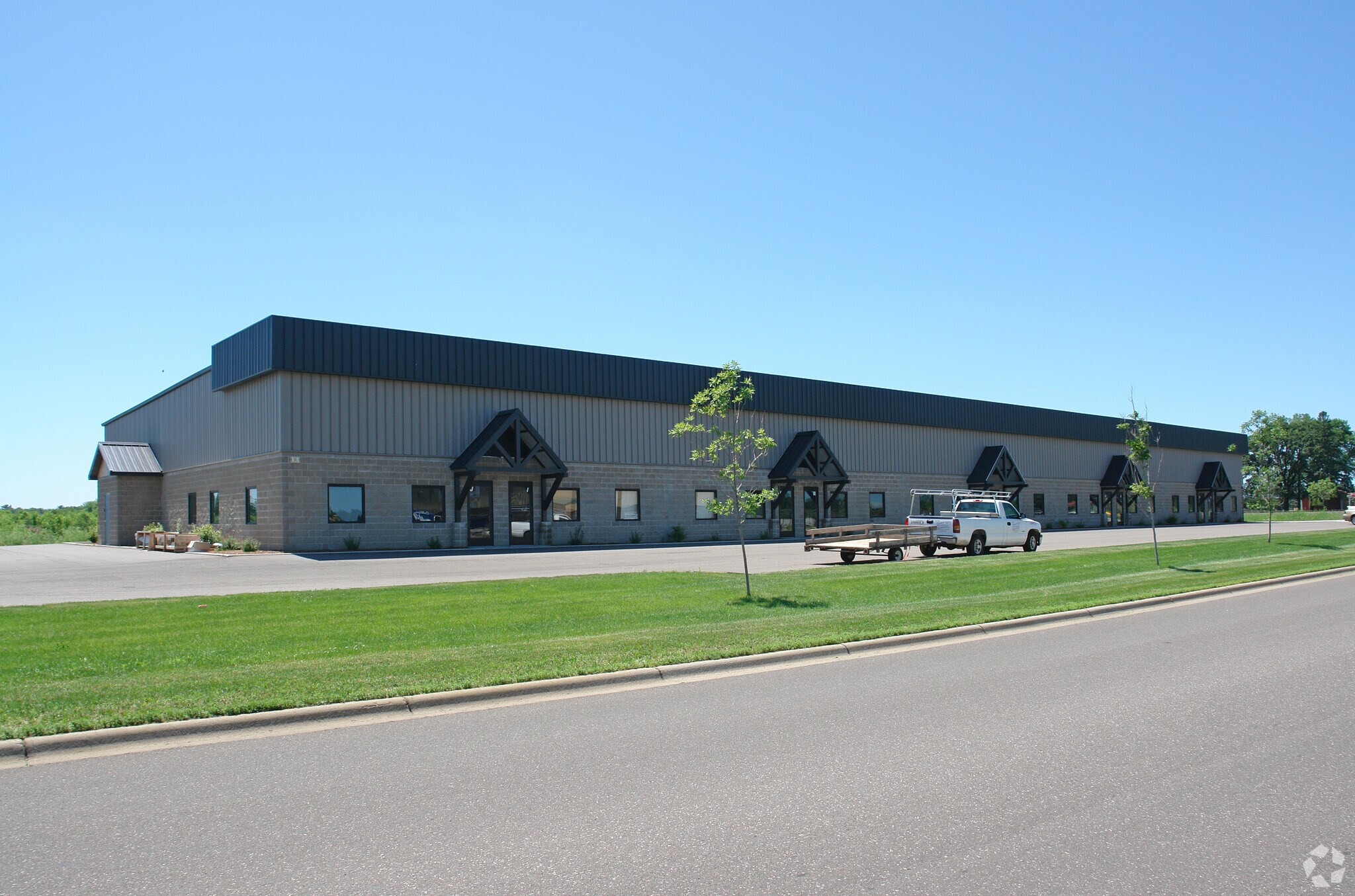
In the evolving landscape of urban development, the concept of a Business/Industrial Transition District holds significant relevance, particularly in Isanti, Minnesota. This designation reflects the intricate interplay between commercial growth and community welfare, often transforming previously underserved areas into thriving economic hubs. In this detailed exploration, we will dissect the essence of a Business/Industrial Transition District in Isanti, encompassing its definition, purposes, benefits, regulatory frameworks, and implications for future growth.
Definition and Purpose
A Business/Industrial Transition District is fundamentally a zoning classification that facilitates a seamless blend of residential, commercial, and industrial uses. This hybrid zoning approach is designed to cater to various business needs while also fostering residential community engagement. In Isanti, these districts serve multiple purposes, including economic stimulation, job creation, and infrastructure development. By allowing diverse categories of businesses to coexist, the district aims to promote a balanced growth model that supports both economic vitality and social cohesion.
One of the primary objectives of establishing such a district is to revitalize areas that may have experienced stagnation. It seeks to enhance the appeal of previously underutilized lands, transforming them into hotspots for new ventures and, consequently, invigorating the local economy. Furthermore, it acts as a buffer zone between heavier industrial uses and adjacent residential neighborhoods, minimizing potential conflicts while maintaining accessibility to vital commercial services.
Benefits to the Community
The advantages of a Business/Industrial Transition District in Isanti extend well beyond mere economic gain. For residents and local stakeholders alike, these districts contribute to an enriched quality of life. One of the most significant benefits is job creation. By inviting various businesses to operate within the district, local employment opportunities are amplified. Residents benefit from reduced commute times and an enhanced connection to the jobs that sustain their livelihood.
Moreover, Transaction Districts inherently support local entrepreneurship. By providing opportunistic zoning guidelines, small businesses can flourish without the burden of prohibitively high operational costs. Consequently, the local economy becomes more resilient and diversified, mitigating financial risk associated with a reliance on a singular industry.
The availability of services—ranging from retail spaces to technical facilities—in close proximity enhances convenience for residents. Additionally, this blend of uses can lead to improved property values, as access to essential services often makes neighborhoods more attractive to prospective buyers and businesses alike.
Regulatory Framework
The regulations in place typically govern aspects like building heights, land-use mix, and necessary permits for operations. Furthermore, the framework stipulates design standards that dictate architectural aesthetics, landscaping requirements, and signage regulations to ensure consistency with the community’s identity and vision.
For prospective business owners, understanding the regulatory landscape of a Transition District is crucial. Company leaders often seek clarity on zoning compliance to sidestep potential legal impediments. Thus, local officials are frequently engaged in fostering transparency through education programs and informational resources tailored to business owners and developers.
Challenges and Considerations
While the establishment of a Business/Industrial Transition District in Isanti presents numerous benefits, it is not devoid of challenges. A prevalent concern revolves around community resistance, particularly from nearby residents who may fear potential nuisances associated with higher commercial activity. Concerns over noise, traffic congestion, and visual pollution can impede progress unless adequately addressed through community engagement and collaborative planning.
Logistical considerations also play a pivotal role in the efficacy of such districts. Infrastructure capabilities must be robust enough to accommodate increased traffic flows and service demands. Local government stakeholders must engage in foresight planning, ensuring water supply, waste management, and energy provisions are commensurate with the anticipated growth. Addressing these logistical challenges requires ongoing assessments and adaptations to changing conditions.
Future Implications
The future of Business/Industrial Transition Districts in Isanti is promising, particularly as urban development trends continue to evolve. As the demography shifts and consumer preferences change, the adaptability of these districts to accommodate emerging industries will be paramount. Smart technology and sustainability practices are increasingly becoming essential in this landscape, indicating that future developments must consider environmental impacts and resource management.
A commitment to maintaining a balanced ecosystem that promotes economic growth while also respecting the community’s needs is vital. This dual approach will ensure that Isanti’s transition district remains an attractive destination for both businesses and residents. Regular reviews of zoning laws and community engagement will be integral in shaping the future narrative of the Business/Industrial Transition District.
As Isanti, MN continues to evolve, understanding the complexities of a Business/Industrial Transition District becomes essential for all stakeholders involved. Through the concerted efforts of the community, local government, and business owners, the district can serve as a model of sustainable growth, fostering an environment where innovation thrives, and resident well-being remains a top priority.












