
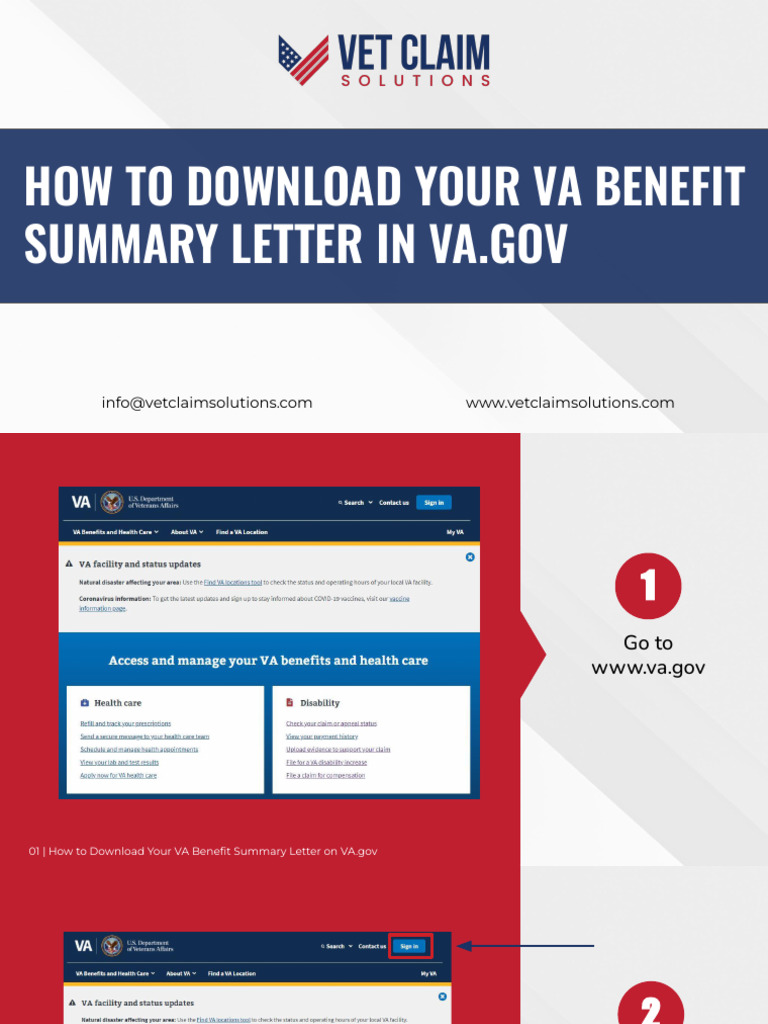
The U.S. Department of Veterans Affairs (VA) serves as a steadfast lighthouse for veterans navigating the often-turbulent seas of benefits and claims. For many veterans, the receipt of a development letter from the VA emerges from the fog of uncertainty as a crucial pointer on their journey. But what does such a letter encompass? Understanding this communication can illuminate the path forward and transform confusion into clarity.
A development letter is not merely a piece of correspondence; it is a clarion call, summoning veterans to action by addressing specific elements required for their claim. When a veteran finds this missive in their mailbox, it typically means that the VA is on the precipice of advancing the claim process, yet there are certain pieces of the puzzle that remain missing. In the world of VA claims, each missing document or piece of information can feel like a rock lodged in the shoe: a hindrance that, if unaddressed, can slow progress significantly.
To delve deeper, let’s break down the essence of a development letter into its components, diving into the intricacies of what veterans can expect upon reception.
1. The Call for Clarification
The primary purpose of a development letter is to seek clarification. Sometimes, claims are initiated without a complete repository of information; the VA may require additional documentation to assess the credibility of a veteran’s claim. This could include medical records, service records, or even lay statements that bolster the case. The mere act of a letter reaching the veteran indicates that the VA is not abandoning ship; it signifies a continued commitment to ensuring that all potential benefits are evaluated thoroughly.
2. A Temporal Snapshot of Your Claim
The development letter acts as a temporal snapshot, capturing the current status of your claim. It sheds light on what has transpired thus far. For veterans, understanding this phase can evoke a sense of relief; a reminder that their claim is still afloat despite the seemingly endless bureaucratic waves. The letter may outline what has been completed and what still needs attention, granting insight that can energize the veteran to respond adequately.
3. Timeline of the Next Steps
Enshrined within the development letter is usually a timeline that elucidates the next steps. It serves as a proverbial compass, helping veterans chart their way through the labyrinth of claims processing. The VA will offer a deadline by which requested information must be submitted. This timeline propels veterans to act without languishing in uncertainty, encouraging a proactive stance that can expedite the process.
4. The Importance of Prompt Attention
Ignoring a development letter can lead to stagnation. The metaphor of a garden is apt here; neglecting the weeds can result in an overgrown thicket that chokes the healthy plants. Similarly, failing to respond to the requests in a development letter can risk delaying the entire claim process or, in the worst-case scenario, lead to a denial. Vigilance is paramount. The sooner the veteran provides the necessary documentation, the more swiftly the claim can progress through the VA’s complex machinery.
5. Parsing the Content
While the letter may convey its requests plainly, veterans must read between the lines. The VA’s choice of language can sometimes obscure the urgency or significance of a request. For instance, a phrase like “consider providing” might seem mild, but it potentially carries weight in the adjudication of a claim. A careful reading can reveal not just what is explicitly stated but also what is implicitly suggested—much like interpreting a map that hints at undiscovered treasures, requiring keen insight to comprehensively navigate.
6. Resources and Assistance
The VA does not leave veterans stranded on their quests. Within the development letter, there could be references to resources that can aid in gathering the required information. This may include helplines, websites, and even local VA offices. Reaching out for assistance can provide valuable insights and support that renders the navigation of the claims process less daunting. After all, a well-equipped sailor is better prepared to face the tempestuous sea.
7. The Bigger Picture
Ultimately, the development letter is emblematic of the VA’s broader intent: to ensure that every veteran receives the benefits they have earned. It reminds veterans that their journey through the claims process is not a solitary endeavor but part of a larger narrative of support and advocacy. Accepting this letter—and the requests therein—can be an empowering moment, transforming a once-daunting task into a tangible opportunity for resolution and fulfillment.
8. Conclusion
In summation, a development letter from the VA is more than just bureaucratic drudgery; it is an invitation to engage, clarify, and progress. For veterans caught in the throes of uncertainty, it serves as a vital tool akin to a lighthouse, guiding their navigation through the often-opaque waters of claims processing. By understanding its implications and acting with diligence, veterans can continue their journey toward securing the benefits they rightfully deserve, ensuring their service to the nation is duly recognized and honored.












