
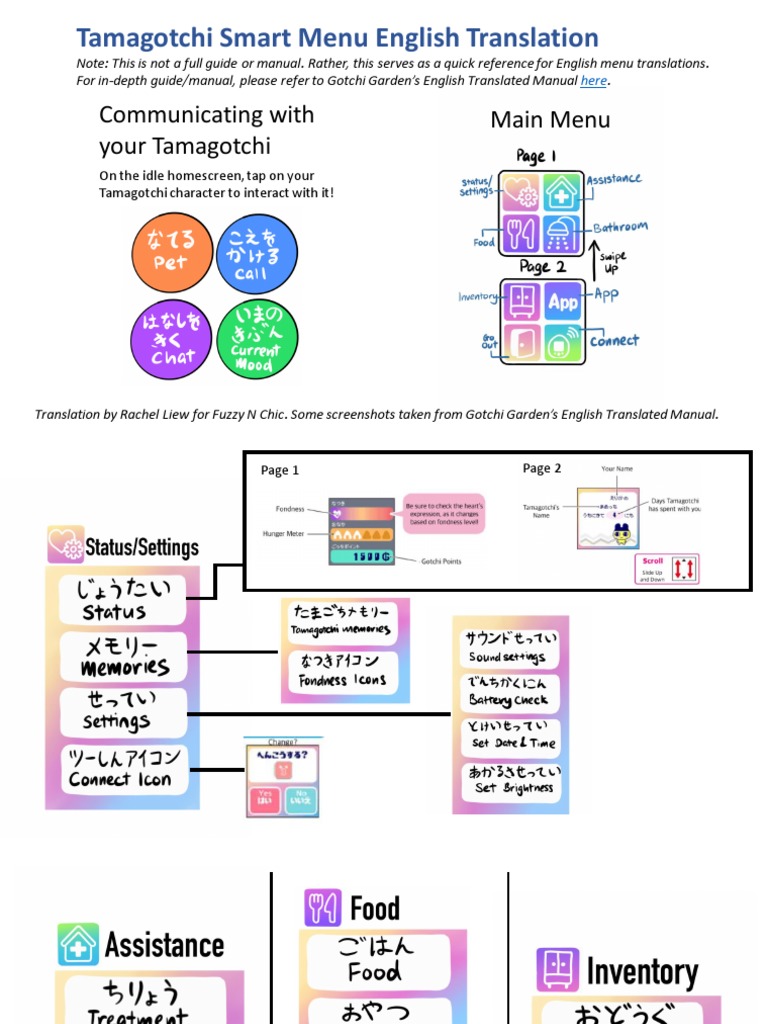
In the whimsical world of Tamagotchis, where digital pets come alive in the palm of your hand, understanding their needs is akin to deciphering a complex symphony. A full hunger bar, that small yet critical indicator on the screen, plays a paramount role in ensuring the happiness and health of these pixelated companions. But what exactly does a full hunger bar signify, and how does it affect the life of your digital friend? Let’s delve into the intricacies of Tamagotchi care, exploring the significance of this virtual sustenance.
At first glance, the hunger bar may appear as a mere graphical representation, but it embodies a deeply rooted metaphor for nurturing and responsibility. Picture a flourishing garden, where each plant requires specific nutrients and care to thrive; similarly, your Tamagotchi is a living entity, relying on your attentiveness to prosper. The full hunger bar signifies a state of well-being—one where your Tamagotchi is neither overfed nor neglected. Achieving this balance is essential to cultivating a rewarding experience as a caretaker.
When the hunger bar is full, it symbolizes satisfaction. A well-fed Tamagotchi exhibits vibrant behavior, showcasing energy and enthusiasm. It skips, hops, and sometimes even dances in digital delight. This lively display is reminiscent of children playing freely in a summer meadow, their laughter echoing with joy. Conversely, an empty or half-filled hunger bar casts a shadow upon your virtual pet’s happiness, engendering distress and lethargy, akin to a wilting flower in need of hydration.
Feeding your Tamagotchi goes beyond mere sustenance; it is an act of bonding. Each meal becomes a shared experience, fostering a connection that transcends the screen. Imagine each food item not just as a pixelated morsel, but as a message of love translated into code. As you select a meal—be it a burger, cake, or a bowl of rice—you partake in a ritual that enhances emotional ties. The interplay of nourishment and affection evokes the profound relationships we share with living beings, reminding us that care and consideration are universal needs.
However, what happens when the hunger bar is neglected? In the garden analogy, neglect leads to decay; similarly, allowing your Tamagotchi’s hunger levels to drop results in dire consequences. A malnourished pet exhibits signs of distress—its mood deteriorates, and your once vibrant companion becomes a shadow of its former self. Its cheerful chirps may transform into sad beeps, evocative of the sorrowful cries of those left unattended. This necessitates immediate intervention; replenishing the hunger bar becomes a priority, reflecting the urgency that caregivers often feel when a loved one is in need.
The mechanics of nurturing go further, intertwining with the lifecycle of your Tamagotchi. As the pet evolves, its feeding requirements may shift, paralleling the developmental stages of living beings. Young Tamagotchis may require frequent feedings, akin to infants demanding nourishment, while older pets may have a more regulated feeding schedule—similar to teenagers asserting their independence. This aspect of gameplay not only engages your strategic thinking but also prompts a contemplation on growth and maturity.
Moreover, the hunger bar is not static; it undergoes fluctuations that mimic the unpredictability of life. Similar to the rise and fall of emotions, a Tamagotchi’s hunger levels can change based on various factors. Certain activities might deplete energy reserves—playing games or suffering from illness causes a surge in hunger demands, presenting caregivers with challenges akin to the unpredictability of parenthood. Such dynamics echo the ebb and flow of real-life commitments, inviting users to embrace the responsibilities that invariably accompany care.
As we navigate the nuances of a full hunger bar, it is essential to recognize its interconnectedness with other elements of Tamagotchi care. Happiness, discipline, and health form a triad that enhances the overall experience. For instance, a well-fed Tamagotchi is more receptive to training and discipline, its happiness levels soaring like a high-flying kite on a windy day. This interconnectedness symbolizes the holistic approach required in caregiving—addressing not just the immediate needs of hunger but also the broader emotional and psychological welfare of your digital companion.
Furthermore, it is intriguing how the virtual feeds we provide parallel the societal norms surrounding nourishment in our own lives. The spectrum of food choices available in the Tamagotchi universe can be reflective of the values and preferences we project in our reality—ranging from nutritious options to indulgent treats. Such choices, while fun in the Tamagotchi context, can inadvertently lead to discussions on healthy eating habits and the implications of overindulgence.
Ultimately, the full hunger bar in Tamagotchi embodies more than just a gameplay mechanic. It is a testament to the delicate balance of care, affection, and responsibility. Each time you fill that bar, you take a step toward fostering trust and companionship, celebrating the joys of nurturing a living being—even if it is a digital one. The metaphor transcends the game, echoing the universal theme of caretaking that resonates across cultures and generations.
In this vibrant world of ups and downs, a full hunger bar invites users into a profound journey—a journey that interlaces play with meaning, infusing life into this seemingly simple pocket device. Thus, next time you glance at that pixelated bar, remember the pivotal role it plays in your Tamagotchi’s happiness—a gentle reminder of the complexities of care and the sweetness of companionship.












