
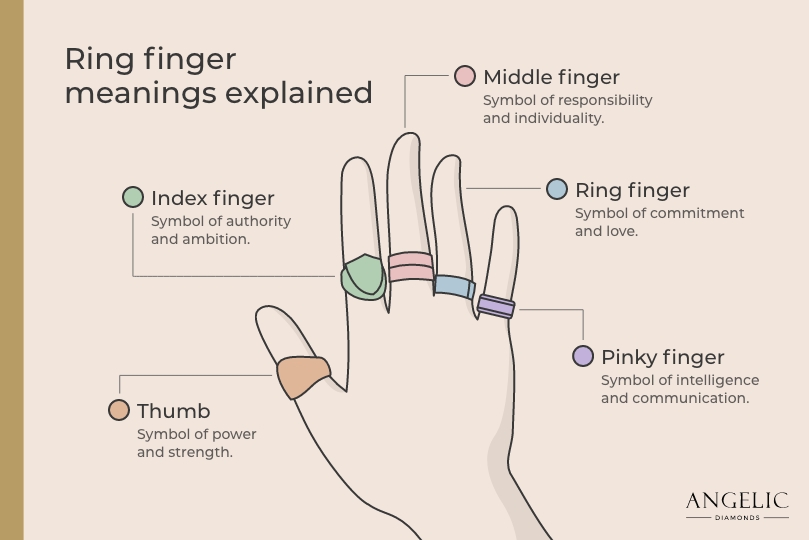
Rings have been cherished tokens throughout history, imbued with rich symbolism and various meanings. When it comes to the right hand, cultural interpretations unveil a fascinating tapestry of beliefs and traditions, prompting a curious shift in conventional thinking. In this exploration, we will unravel the intricate significance of donning a ring on the right hand, delving into diverse cultural perspectives and the underlying messages they convey.
The Right Hand as a Symbol
In many cultures, the right hand is perceived as a emblem of authority, expression, and positive attributes. It is often associated with the act of giving and receiving, mirroring the inherent notion of reciprocity found within human relationships. While the left hand is typically reserved for traditional vows and commitments, the right hand adorns a plethora of rings that signify other personal narratives beyond romance.
A Promise Unveiled
When a ring graces the right hand, it may denote a promise rather than a marriage commitment. This modern interpretation resonates widely, especially among millennials and Gen Z, who seek to navigate relationships on their own terms. A promise ring worn on the right hand can symbolize fidelity, compassion, and an assurance of support in one’s personal journey. It embodies an individual’s commitment to themselves, embracing the idea of self-love and personal growth.
Cultural Perspectives on Right-Hand Rings
Across the globe, the right hand serves as a canvas for cultural narratives, each steeped in significance and historical context.
- Western Traditions: Among Western cultures, rings on the right hand often signify a variety of commitments. For example, in countries like Germany and India, it is common for couples to wear engagement rings on this hand before transitioning to the left for marriage. This practice underscores the transition from promise to reality.
- Eastern European Symbols: In Russian and other Eastern European cultures, wedding bands are commonly worn on the right hand, emphasizing the notion of devotion and partnership. Here, the right hand symbolizes balance and equality, with each partner contributing to a shared destiny.
- Middle Eastern Interpretations: In many Middle Eastern cultures, the right hand represents auspiciousness. Wearing a ring on this hand may serve as a protective talisman, warding off the evil eye. Gold rings featuring intricate designs are particularly popular as they are believed to bring fortune and abundance.
- Asian Cultures: In various Asian cultures, the right hand also occupies a position of reverence. In India, for example, engaged women may wear a ring on their right hand until the wedding day, symbolizing the transition and societal acknowledgment of their impending commitment.
Personal Affirmation and Identity
The choice to wear a ring on the right hand can also reflect one’s identity, personal beliefs, and aspirations. Artists and creators may drape their fingers with rings as an expression of individuality, utilizing unique designs to narrate their stories. For many, these rings represent not just adornment but a powerful emblem of self-expression and autonomy.
In the world of activism, rings worn on the right hand often serve as statements reflecting one’s values and beliefs. A distinctive ring engraved with a significant phrase or symbol can transform into a conversation starter, bridging connections between like-minded individuals and fostering a sense of community.
The Evolution of Meaning
Historically, rings served mere aesthetic purposes, but their meanings have evolved alongside societal shifts. Men and women alike now challenge traditional norms, utilizing the right hand as a platform to express love and commitment irrespective of conventions. Unmarried couples donning rings on their right hands affirm their bond, reinforcing that love exists in multiple forms. This gradual evolution underscores a movement towards inclusivity, championing diverse expressions of love and camaraderie.
Fashion Statement or Cultural Commentary?
In contemporary society, the significance of a ring on the right hand extends beyond personal relationships and enters the realm of fashion. Jewelry designers skillfully exploit these cultural narratives, intertwining functionality with artistry. A striking ring could symbolize empowerment or defiance, often challenging societal norms regarding love, marriage, and self-identity. These artistic expressions invite curiosity, encouraging individuals not only to admire the jewelry but also to engage in meaningful conversations about its symbolism.
Rings as Legacies
Rings also possess a remarkable capacity to carry legacies, particularly when passed down through generations. An heirloom ring worn on the right hand serves as a testament to familial history and the values entwined within generations. It embodies stories of resilience, love, and commitment, each heirloom imbued with personal narratives that extend beyond the individual wearing it.
Conclusion: An Invitation to Reflect
The exploration of a ring on the right hand unveils multifaceted meanings deep-rooted in culture, personal identity, and the evolution of societal norms. As individuals navigate their unique journeys, embracing the significance of such adornments encourages a richer appreciation for the stories they may encapsulate. The next time you encounter a glimmer of metal gracing a right-hand finger, consider the myriad of stories and meanings it may embody—a silent yet profound testament to the wearer’s beliefs, aspirations, and personal narrative.












