
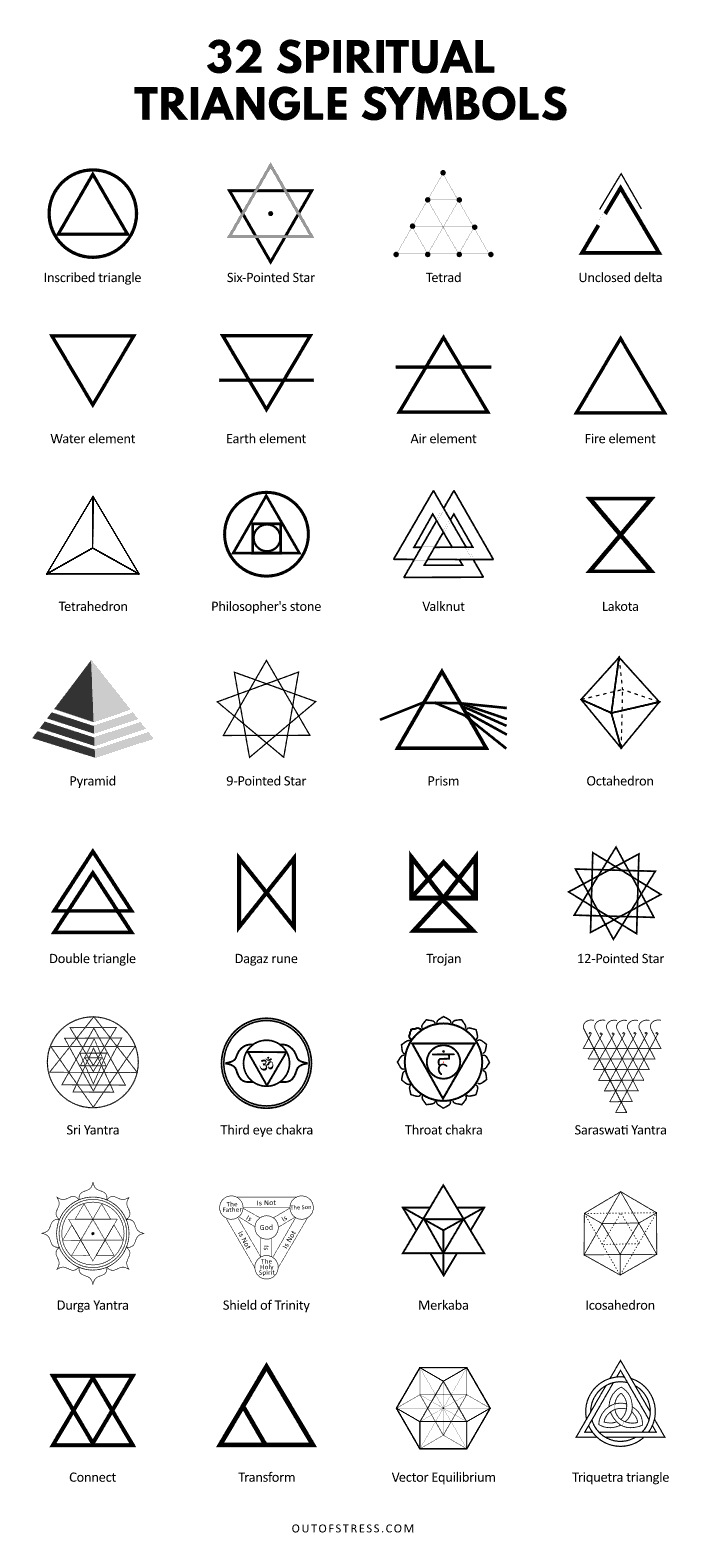
Throughout the annals of human history, symbols have served as vessels of deeper meaning, offering insight into the philosophies, beliefs, and mysteries of various cultures. One such emblem that captivates the imagination is the triangle with a circle inscribed within it. This archetypal symbol has garnered attention across multiple traditions, invoking a wealth of interpretations and associations. What lies beneath the surface of this ancient motif? Let’s embark on a journey to decode what a triangle with a circle means and uncover the threads that connect us to the fabric of our ancestors’ wisdom.
To unearth the significance of this symbol, one must first explore the individual components: the triangle and the circle. In numerous cultures, the triangle is emblematic of stability, manifestation, and the triune nature of existence. Often associated with the elements—earth, water, and fire—the triangle signifies equilibrium, evoking a sense of groundedness. Conversely, the circle is the epitome of wholeness and infinity. Its continuous curvature represents the cyclical nature of life, encapsulating themes of eternity, unity, and the interconnectedness of all things.
When these two geometric shapes coalesce, their meanings intertwine to create a profound symbol replete with significance. The triangle is often interpreted as a representation of the physical realm, while the circle embodies the spiritual. This interplay suggests a harmonious relationship between corporeal existence and ethereal aspirations, hinting that one cannot thrive without the other. This duality serves as a reminder of the importance of balancing the material and the spiritual in our lives.
Historically, the triangle with a circle has appeared in various cultural contexts, each imbuing it with unique interpretations. In ancient Greek philosophy, the triangle was associated with the concept of the soul, particularly within the framework of Plato’s teachings. According to Plato, the soul is the source of reason, emotion, and desire—qualities that are often represented through the three corners of the triangle. The inscribed circle could be seen as the divine essence uniting these attributes, emphasizing the quest for knowledge and truth that transcends the physical form.
In alchemical symbolism, the triangle with a circle holds a critical position as well. It often signifies the coagulation stage of transformation, where the spiritual and physical realms converge to form a new entity. Alchemy revolves around the concept of transmutation, and this symbol serves as a reminder that one must navigate through different states of being to achieve enlightenment and a holistic understanding of the universe.
The geometry of the triangle, with its sturdy base and inclined sides, also hints at a form of ascension. This is particularly evocative in spiritual traditions that emphasize the journey of the soul—moving from the lower realms of existence toward higher states of awareness. The circle, then, acts as a point of unity, a celestial realm where all individual journeys culminate, offering insight into the collective consciousness and universal spirit.
Many religious traditions have adopted the triangle with a circle as a powerful and captivating emblem. In Christianity, the symbol resonates with the Holy Trinity, representing the Father, Son, and Holy Spirit. The circle encapsulates the divine, emphasizing the wholeness and unity of God. In this context, the triangle’s vertices represent different paths of spiritual enlightenment, encouraging believers to seek a relationship with the divine through various practices and beliefs.
On the other hand, in Eastern philosophies, such as Hinduism and Buddhism, the combination invokes the idea of enlightenment and the path toward self-realization. The triangle often signifies the ascent towards enlightenment, while the circle embodies the ultimate goal of reaching Nirvana or moksha—liberation from the cycle of rebirth and the attainment of absolute bliss.
Art and architecture have also embraced this profound symbol. The Great Pyramids of Egypt, known for their triangular shapes, evoke notions of immortality and divine connection. These monumental structures serve as both tombs and celestial gateways, underscoring the convergence of the physical and spiritual dimensions. Similarly, many cathedrals and temples feature triangular symbolism, inviting the faithful to transcend the mundane and experience the divine.
The modern era has not diminished the allure or significance of the triangle with a circle. Contemporary mysticism, New Age philosophies, and even popular culture often reference this emblem, reiterating its perennial relevance. In tattoos and spiritual iconography, the triangle serves as an emblem of personal growth and transformation, while the circle represents the interconnectedness of all beings—a reminder of the intricate web of existence.
As our exploration of the triangle with a circle draws to a close, it becomes clear that this symbol encapsulates a tapestry of meanings woven from threads of spirituality, philosophy, and cultural heritage. From the ancient sages to contemporary seekers, its significance resonates through time, echoing the perennial human quest for understanding and connection. Ultimately, the triangle with a circle serves as a testament to our enduring fascination with the symbols that define our experiences—imbuing our lives with layers of meaning and inviting us to delve deeper into the mysteries of existence.












