
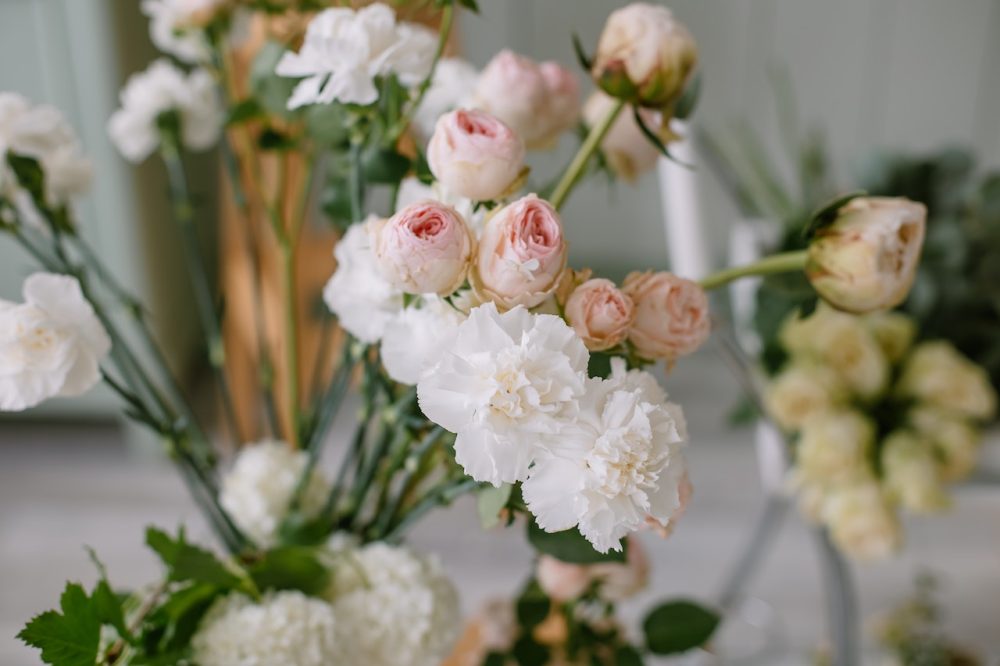
Throughout history, flowers have served as potent symbols, imparting a myriad of emotions and meanings across different cultures. Among these delicate blooms, the white flower stands out prominently as a harbinger of purity, innocence, and recondite symbolism. In a world where colors speak volumes, white flowers resonate uniquely, evoking an ethereal sense of tranquility and profound emotion. This exploration delves into what white flowers signify, unraveling the rich tapestry of their meanings across various cultures.
White flowers, by their radiant and simple allure, have long been associated with purity. In many cultures, white is synonymous with cleanliness and virtue. This association often finds expression in various life milestones. For instance, white roses play a pivotal role in weddings, symbolizing the untouched innocence of new beginnings. The bride, adorned with these blooms, personifies the virtues of fidelity and the promise of eternal love, draping the occasion in an ambiance of reverent joy and solemnity.
In many Eastern cultures, the white flower transcends mere aesthetic appreciation; it embodies the cyclical ebb and flow of life and death. In Japan, the ethereal beauty of the white chrysanthemum symbolizes not only perfection but also is revered during the Festival of Happiness. Here, it represents the essence of truth and the idea of honoring one’s ancestors. The flower’s gentle elegance creates a bridge between the seen and unseen, serving as an emblem of remembrance, gratitude, and the impermanence of existence.
Furthermore, the white lily, resplendent in its bloom, holds significant meaning in Christianity, where it is often viewed as a representation of the Virgin Mary. This regal flower epitomizes purity and motherhood, taking on a sacred role during the Easter celebrations. The white lily imbues the season with spiritual significance, embodying rebirth and resurrection. This association with holiness and divine love elevates the flower from mere earthly presence to celestial symbol, reminding the faithful of the transcendent truth of life beyond death.
In addition to its religious connotations, the white flower serves as an emblem of peace in various societies. The white poppy, for instance, stands as a poignant reminder of the sacrifices made during wartime, acknowledging the somber realities of conflict while simultaneously advocating for healing and reconciliation. Adopted in remembrance ceremonies, this bloom articulates a universal longing for harmony, acting as a silent yet powerful call for a future unmarred by strife.
The beauty of white flowers is not merely confined to celebration and remembrance. In the realm of personal expression, they convey a spectrum of emotions. For those embarking on new journeys, gifting white flowers transforms into a gesture of hope and good fortune. The white daisy, with its cheerful disposition yet profound meaning, represents innocence and new beginnings, making it a thoughtful gift for graduates. This interplay of emotion and bloom captures the transition to adulthood, representing both the excitement and the uncertainty woven into new ventures.
In the natural world, the symbolism of white flowers extends beyond the realm of human experiences. Their presence in gardens or wild meadows often heralds serenity and calm. White flowers, with their unpretentious beauty, can create tranquil spaces, providing solace in a fast-paced world. Gardens adorned with white jasmine or white hydrangeas become sanctuaries, inviting introspection and meditative thought. The gentle sway of these blooms in the breeze conjures metaphors of peace that echo through one’s soul, offering a moment of respite from the chaos of daily life.
Yet, the allure of white flowers does not escape the notion of duality; they can also represent mourning and loss. In many cultures, a bouquet of white flowers is placed at memorials or graves. The symbolism of these blooms in such contexts encapsulates the bittersweet transition one faces when bidding farewell to a loved one. The fragility of life mirrored in the delicate petals becomes a metaphor for the ephemeral nature of existence, forever intertwining joy and sorrow in a dance as old as time itself.
Navigating through the richness of symbolism surrounding white flowers, one cannot overlook their profound connections to the human experience. As these blossoms transcend geographic and cultural boundaries, they invite myriad interpretations that resonate uniquely with each observer. Their multifaceted meanings—their embodiment of purity, their association with peace, and their representation of life’s vicissitudes—remind us that flowers are not simply nature’s palette but rather profound messengers of sentiment and meaning.
In a world that constantly evolves, the vibrant symbolism of white flowers remains steadfast, weaving a narrative that speaks to both the heart and the spirit. As we embrace their beauty, let us recognize the depth they bring to our lives—reminding us that every bloom tells a story, offering us both a refuge and a mirror through which to reflect on our journey. Whether celebrating love, mourning loss, or simply seeking tranquility, white flowers persist as timeless symbols—forever illuminating the intricate dance of life’s emotions.












