
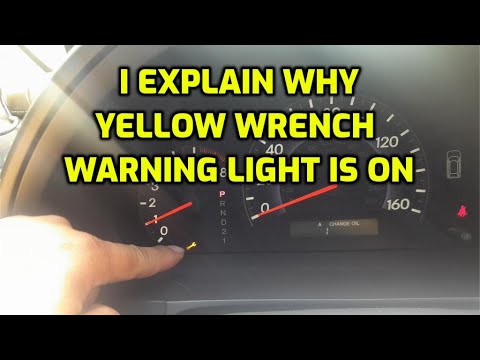
Dashboard lights can serve as a mysterious language, revealing much more than meets the eye. Among these symbols, the wrench light stands out as a beacon of insight into the health of your Ford vehicle.
In this article, we will delve deep into the significance of the wrench light, examining what it encompasses and the various underlying conditions it might indicate. We will traverse the terrain of common concerns that drivers face, as well as the potential implications of ignoring this alert.
Understanding the Wrench Light
When the wrench light illuminates on your Ford’s dashboard, it is an imperative sign that prompts immediate attention. This icon is emblematic of a need for maintenance or signals that your vehicle’s Powertrain Control Module has detected a malfunction that requires further inspection. Unlike traditional warning lights, which may solely express concerns related to imminent danger (like engine temperature or oil pressure), the wrench light conveys a different type of urgency – one that revolves more around scheduled maintenance or diagnostic checks.
The Maintenance Reminder
For many Ford models, the wrench light serves as a gentle nudge to remind owners of impending maintenance deadlines. Just like a watchful guardian, it can alert you to routine services such as oil changes, fluid checks, or filter replacements. Regular maintenance is the cornerstone of vehicle longevity, and adhering to the recommended service intervals is crucial to keeping your car in optimal condition. While some motorists may dismiss this light as a mere inconvenience, heeding its warning can save you both time and money in the long run.
Decoding Specific Alerts
Not only does the wrench light indicate a need for maintenance, but it can also alert you to specific issues that may affect your Ford’s performance. Here are several possible instigators behind the activation of this light:
- Transmission Troubles: A robust transmission is essential for vehicle performance. If the wrench light flickers, it might signify that the transmission fluid is low or that the transmission itself is experiencing complications. Addressing these concerns promptly can intensify your car’s efficiency.
- Engine Performance: Issues such as a failing mass airflow sensor or fuel injector problems can also trigger the wrench light. These components are integral to maintaining proper engine function and fuel efficiency. Any decline could lead to increased emissions or reduced performance.
- Brake System Alerts: Some Ford models utilize a system that ties the wrench light to brake malfunctions or wear. A common oversight involves neglecting brake pads or fluid levels. Think of the wrench light as a vital communicator, imploring you to address these elements before they lead to dire consequences.
Diagnostic Checks: What to Do When the Wrench Light Appears
Upon noticing the wrench light, the best course of action is not to panic but to methodically assess the situation. Here’s a systematic approach to tackle the alert:
- Consult the Owner’s Manual: Start by referencing your vehicle’s owner manual for specific guidance tailored to your model. This document can provide valuable context, including what maintenance may be due.
- Check Fluid Levels: Before investing time or money into professional diagnostics, perform some fundamental maintenance checks. Examine oil and transmission fluid levels. Low fluids can often cause alerts, and replenishing them might solve your problem.
- Scan for Codes: Utilizing an OBD-II scanner can help you retrieve diagnostic trouble codes that illuminate precisely why the wrench light has activated. These codes can direct your technician to the areas needing attention.
- Seek Professional Assistance: If basic checks don’t yield any conclusive answers, it’s prudent to visit a qualified mechanic. Their expertise can often identify problems that aren’t visible to the untrained eye and suggest the necessary repairs or maintenance.
Ignoring the Wrench Light: The Consequences
Ignoring the wrench light can lead to dire repercussions, manifesting both in your driving experience and your finances. Unattended maintenance issues can escalate into severe mechanical failures, which might necessitate costly repairs. Furthermore, let us not forget that proactive maintenance tends to enhance the resale value of your Ford, as potential buyers often prefer well-cared-for vehicles.
Fostering a Maintenance Mindset
Embracing a proactive attitude toward vehicle maintenance can not only alleviate the stress often tied to dashboard alerts but can also foster a sense of responsibility and pride in ownership. Cultivating an awareness regarding the significance of the wrench light is not limited merely to a mechanical standpoint; it instills an appreciation for the complex engineering marvel that is your Ford vehicle.
Establish a routine that includes regular inspections, scheduled check-ups, and monitoring performance metrics. By making it a habit to address the wrench light immediately, you enhance your understanding of your vehicle’s needs while nurturing a deeper connection with your mode of transportation.
Conclusion
In conclusion, the appearance of the wrench light on your Ford dashboard serves as more than an inconvenience; it symbolizes a moment of self-awareness that demands our attention and action. By comprehensively understanding its implications, drivers can ensure not only their own safety but also the longevity of their vehicles. Maintaining vigilance regarding dashboard alerts is pivotal for anyone eager to enjoy a seamless driving experience. After all, in the complex world of automotive engineering, being informed is the first step; being proactive is the journey.












