
In an increasingly digital world, the term “address nickname” has emerged, particularly in the realm of digital forms. This terminology encapsulates a nuanced understanding of how we navigate and categorize our online interactions, especially when it comes to data entry and the retention of personal information. A closer examination reveals that such nicknames not only facilitate user experience but also resonate with deeper psychological tendencies that reflect our longing for personalization and identity in the digital age.
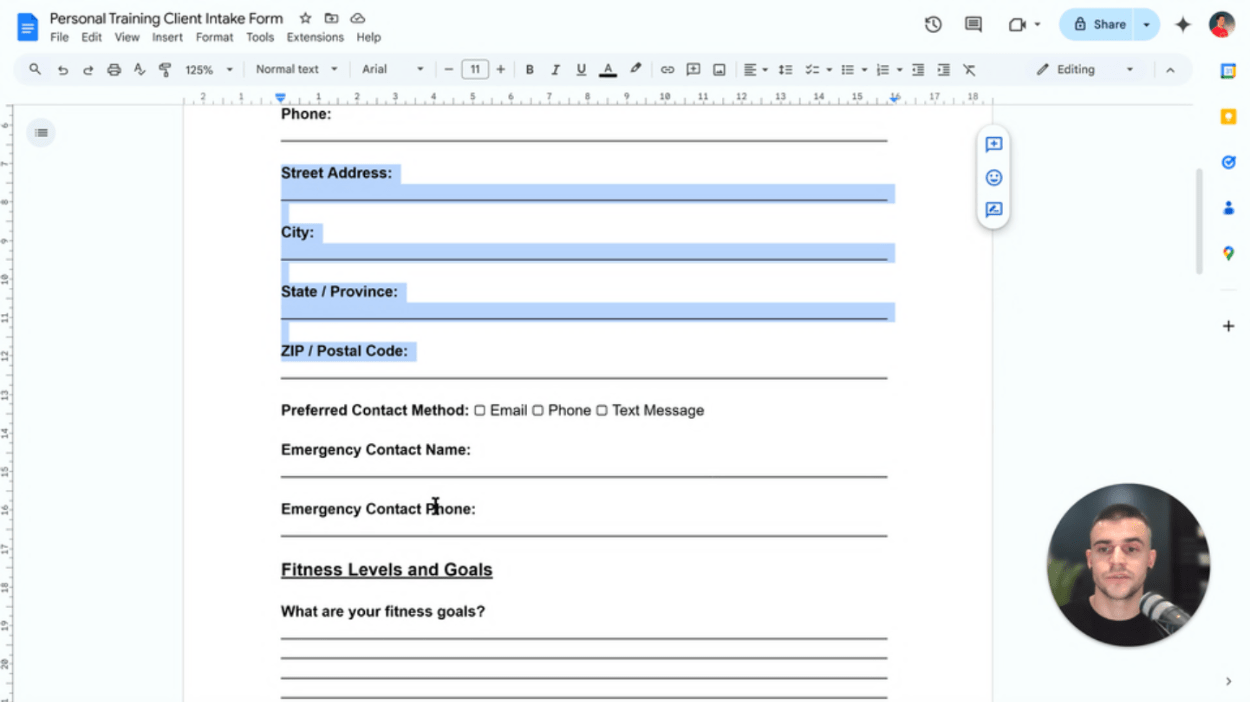
At its core, an address nickname serves as an alternative identifier for traditional address inputs. When filling out digital forms — whether for online shopping, social networking sites, or registration portals — users often encounter fields requesting various address details such as street names, city, and postal code. However, the ability to create an “address nickname” allows individuals to render their location in a manner that resonates more intimately with their identity. For instance, instead of inputting “123 Maple Street,” one might opt for “Home Sweet Home” or “Grandma’s Place.” This customization adds layers of emotional significance and personal connection to otherwise mundane entries.
But why do we feel compelled to curate such nicknames for addresses? The motivation often springs from our intrinsic desire to highlight our individuality. In a world that feels overwhelmingly homogenized, where countless users are reduced to mere identifiers, customizing a digital address can be a rebellion against anonymity. It harkens back to our instinctual need to assert our presence. Our surroundings, whether physical or digital, play an unmistakable role in shaping our identity, and a nickname encapsulating that space can serve as a badge of self-expression.
Moreover, the use of address nicknames elevates the practicality of digital interactions. Many forms possess default address fields that can be cumbersome to navigate, especially for frequent buyers or regular users. Address nicknames streamline this process. By enabling users to quickly select a nickname instead of typing out a full address, companies reduce friction in the payment or registration processes. This is crucial, as studies show that streamlined experiences lead to increased customer satisfaction and higher conversion rates.
The Evolution of Digital Forms
To fully appreciate the relevance of address nicknames, it’s imperative to understand the evolution of digital forms themselves. The dawn of the internet heralded a renaissance in communication, but early web forms were often tedious and impersonal. Back then, users were required to relinquish plentiful data to complete basic tasks, craving a semblance of that personal touch. As technology advanced, users began to demand more intuitive interfaces that catered to their needs. Address nicknames are part of this progression toward personalization, enabling individuals to feel more connected and engaged with the platforms they use.
Address Nicknames: Psychological Underpinnings
The allure of address nicknames extends beyond mere convenience; it tips the balance toward a psychological phenomenon known as “self-categorization.” When people select nicknames for their addresses, they solidify their personal narratives. This process infuses mundane tasks with meaning, allowing for a profound connection between identity and environment. Users may draw upon nostalgic memories or cherished locations, incorporating affectionate labels into their digital lives.
Furthermore, this impulse can be viewed through the lens of cognitive psychology. The human brain thrives on categorization — a necessity for navigating our complex surroundings. Address nicknames can help simplify memory retrieval, allowing users to quickly conjure a specific location tied to a nickname. This cognitive shortcut resonates with our mind’s preferences, thus enhancing user experience and satisfaction.
Challenges and Considerations
Despite their benefits, address nicknames do not come without challenges. Privacy concerns loom large in the digital landscape. The very notion of having a nickname associated with a personal address raises questions about data security and the potential for misuse. Users must contemplate the balance between personalization and vulnerability. Furthermore, inconsistencies in nickname usage across platforms may lead to confusion or errors in transactions, which can be frustrating for users accustomed to seamless online interactions.
As organizations strive to facilitate user engagement, implementing clear instructions and options for address nicknames is crucial. Educating users on secure practices for nickname selection can help mitigate potential risks while maintaining the engaging identity-driven experience that these nicknames promise.
The Future of Address Nicknames in Digital Forms
As the digital landscape evolves, the utility of address nicknames will likely expand. With the rise of advancements in artificial intelligence and user experience design, it is feasible that address nicknames will become increasingly integrated into systems, forming part of a holistic understanding of the user. By analyzing patterns in users’ customized nicknames, companies could personalize their interactions in an even more tailored and intuitive manner.
Furthermore, as privacy-preserving technologies continue to develop, users may find solace in knowing that their unique address nicknames can coexist harmoniously with their privacy rights. The juxtaposition of personalization and security will be essential in navigating the delicate balance that characterizes the future of digital forms.
Ultimately, address nicknames are emblematic of our quest for identity in a digitized world. They symbolize the desire for connection, individuality, and practicality in our online experiences. As we embrace these innovations, we pave the way for a digital realm where personalization becomes a central fixture, enriching not only our interfaces but also our narratives.












