
As an expectant mother embarks on the beautiful yet complex journey of pregnancy, she often encounters a plethora of medical jargon and abbreviations. Among these, “AF” emerges as a term that frequently piques curiosity. Yet, what does “AF” truly signify in the realm of pregnancy? Delving into the intricacies of this abbreviation and others like it can illuminate a path through the often daunting landscape of prenatal discussions.
At the onset, “AF” typically refers to “Amniotic Fluid.” This vital substance envelops and protects the developing fetus within the womb. Think of it as a warm, nurturing ocean where the baby can float, unhindered by the harsh realities of the outside world. The presence of amniotic fluid is instrumental in allowing fetal movement, which is essential for developing muscles and bones. Beyond this, it serves as a cushioning agent, safeguarding the fetus from potential injuries caused by bumps or stressors that may affect the mother.
However, to understand the significance of amniotic fluid, one must appreciate its composition and functions. Comprising about 98% water, amniotic fluid is rich in nutrients and hormones, essential for fetal growth and development. It plays a crucial role in regulating temperature, ensuring that the fetus remains in an optimal thermal environment. Additionally, the fluid allows for fetal lung development as the baby inhales and exhales the fluid in preparation for its first breath upon birth.
Yet, while “AF” often points to amniotic fluid, the abbreviation can veer into different contexts. For instance, in the lexicon of assisted reproductive technology, “AF” may denote “Assisted Fertilization.” This innovative technique has transformed the reproductive landscape for many couples facing infertility, utilizing methods such as in vitro fertilization (IVF) to aid conception. The significance of this term resonates deeply within the narratives of countless families, offering hope where it was once elusive.
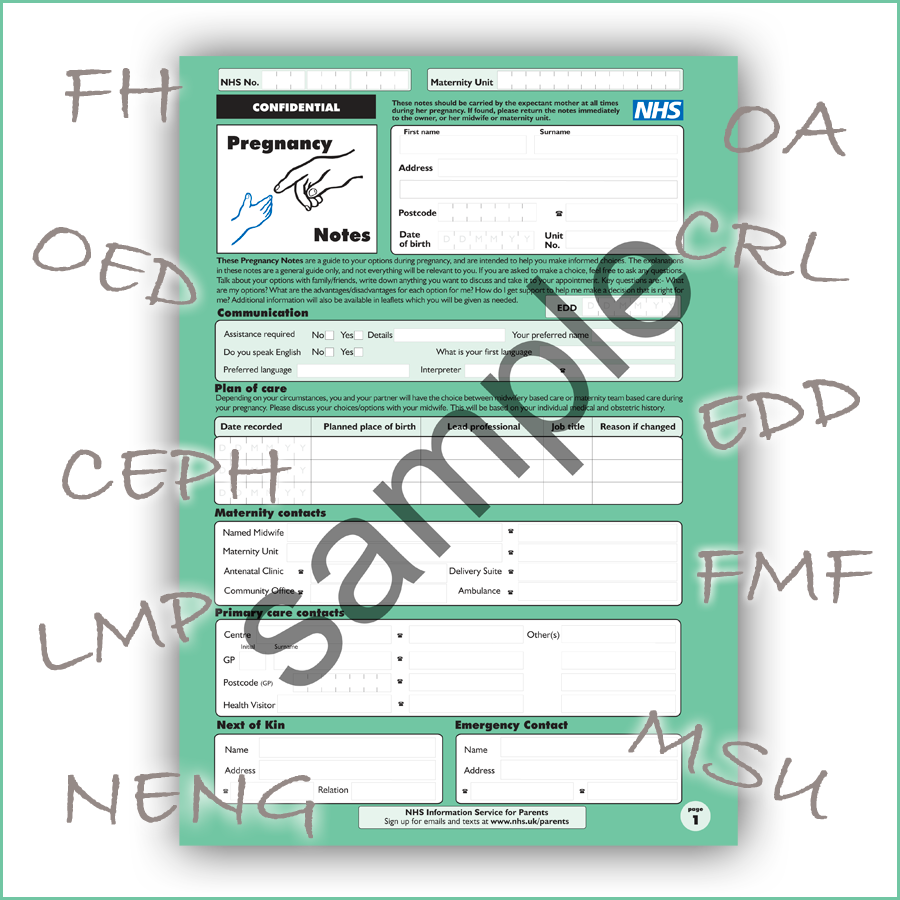
As we traverse through the medical acronym landscape, the conversation naturally leads us to explore other essential abbreviations related to pregnancy. Terms like “EDD,” standing for “Estimated Due Date,” symbolize the culmination of gestation; a moment that countless parents eagerly await, marking the point when they will finally meet their child. The importance of knowing the EDD lies in its ability to provide a timeline for prenatal appointments, screenings, and preparations, serving as a guiding beacon on the motherhood voyage.
Another abbreviation often encountered is “HCG,” which means “Human Chorionic Gonadotropin.” This hormone is a crucial factor in establishing and monitoring pregnancy, secreted shortly after the fertilized egg implants itself into the uterine wall. The presence and levels of HCG are often measured through urine or blood tests, offering an early confirmation of pregnancy. Picture HCG as the herald of new life, announcing the arrival of an embryo by signaling to the body to sustain the pregnancy.
Furthermore, the abbreviation “NST” refers to a “Non-Stress Test,” a common procedure during the latter stages of pregnancy. This test is essential for monitoring the baby’s heart rate and overall health, a way of ensuring everything is progressing smoothly. Imagine this as a check-in point on a long journey; it assures parents that their child is doing well within the confines of the womb, offering peace of mind amidst the anxious anticipation of impending parenthood.
Among other crucial abbreviations are “LMP,” or “Last Menstrual Period,” which serves as a starting point for calculating the due date and gestational age. The fleeting moment of the last menstruation, often overlooked in its significance, serves as a foundation for navigating the pregnancy timeline with precision.
The jungle of medical abbreviations does not end here. Terms like “VBAC” (“Vaginal Birth After Cesarean”) and “C/S” (“Cesarean Section”) draw attention to crucial birth methods and the options available during delivery. Each abbreviation tells a story, with the potential to shape the parent’s experience profoundly. Exploring these options is essential for expecting parents as they prepare their birth plan, akin to charting a course through uncharted waters.
As we reflect on “AF” and its connotations, it is clear that deciphering pregnancy-related medical abbreviations requires a holistic understanding. Abbreviations encapsulate not just clinical information but also emotional landscapes, giving voice to the myriad of experiences that accompany pregnancy. An expectant mother seeking clarity and support can foster empowerment through knowledge, transforming the chaotic symphony of symptoms, tests, and medical communication into an orchestrated melody that celebrates new life.
In summary, understanding terms like “AF” and the multitude of corresponding medical abbreviations elevates the journey of pregnancy. Each abbreviation serves as a metaphorical landmark, guiding expectant mothers through valleys of uncertainty and mountains of anticipation. As one navigates the winding path of pregnancy, embracing the wealth of information surrounding these abbreviations can pave the way toward a fulfilling and informed maternal experience.












