
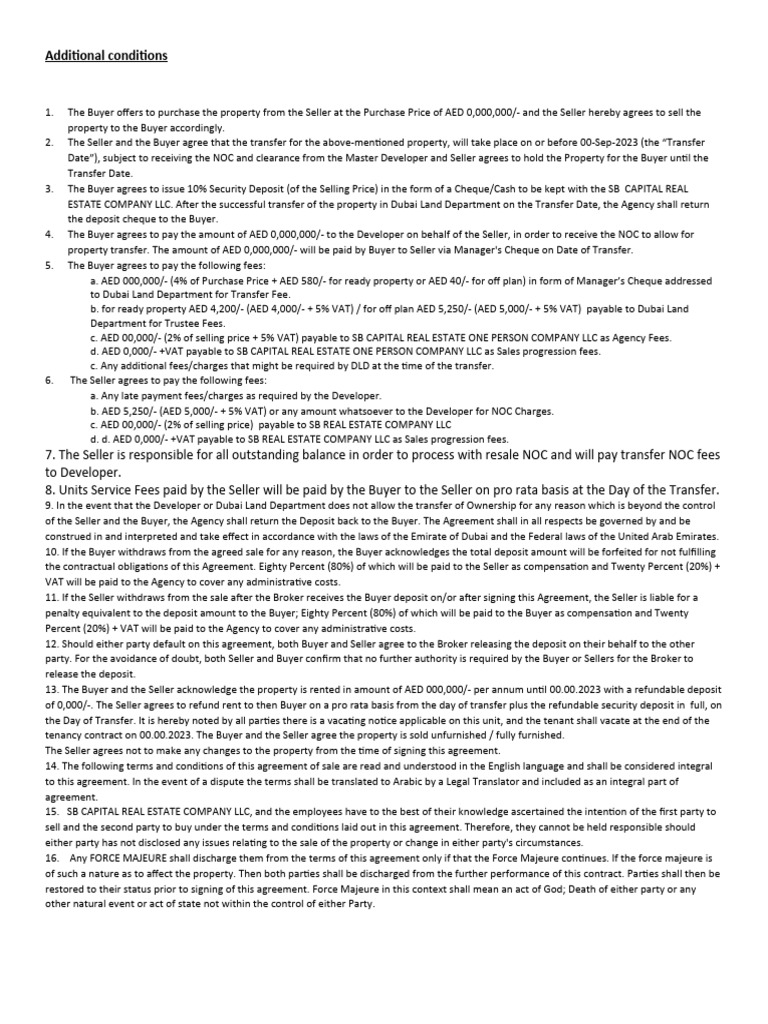
The labyrinthine world of real estate is replete with jargon and documents that can befuddle even the most seasoned investor. Among the many terms one may encounter is the “As Is Addendum.” Just as a ship sails through tumultuous waters, navigating a home purchase involves grappling with conditions that can either make the journey smooth or fraught with peril. In this exploration, we shall unravel what it means when a property is sold “as is,” the implications of such an addendum, and the unique allure it may hold for both buyers and sellers.
Understanding the “As Is” Concept
At its core, the phrase “as is” represents a declaration of condition—akin to a painter signing their work in acknowledgment of its imperfections. When a property is conveyed under this premise, the seller contends that they will not undertake any repairs or renovations prior to the sale; what the buyer sees is, indeed, what they get. This hands-off approach to property condition can deter some buyers, seducing others with the promise of lower costs and potential equity gained through renovation.
To truly grasp the implications of the “as is” clause, consider a picturesque but slightly weathered cottage. Beneath its charming exterior lies a host of quirks—a leaky roof, aging plumbing, perhaps even an outdated electrical system. The seller’s commitment to sell it “as is” means they are presenting the cottage in its current state, unapologetically inviting prospective buyers to envision themselves there despite (or perhaps because of) its rough edges.
The Significance of the As Is Addendum
The “As Is Addendum” is a formalized document that accompanies an offer or purchase agreement. It clearly delineates the responsibilities and expectations between the buyer and seller. This addendum serves as a clarion call to potential buyers: it is imperative that they conduct thorough inspections and assessments. To embark upon the purchase without this due diligence would be akin to sailing blind, risking clashes with unforeseen issues that could impact financial well-being.
For sellers, the presence of this addendum is a shield. It protects them from future claims or litigation by buyers who discover latent defects post-sale. By signing the addendum, buyers acknowledge that they are acquiescing the responsibility for any necessary repairs or future liabilities stemming from the property’s condition.
Common Uses of the As Is Addendum
The As Is Addendum may be utilized in various scenarios, each carrying its own nuances and distinct motivations:
- Investment Properties: Savvy investors often gravitate toward properties sold “as is,” hoping to turn a neglected gem into a lucrative asset. The allure often lies in the opportunity to negotiate aggressively based on the perceived repair costs.
- Foreclosures and Short Sales: Lenders usually sell foreclosed homes in an “as is” condition. Here, the addendum underscores the property’s desirability to be rehabilitated at buyers’ expense while minimizing the lender’s liability.
- Estate Sales: In cases of inheritance, sellers might opt for an “as is” sale to expedite the process. Navigating emotions alongside the complexities of transferring property often leads to this pragmatic choice.
Advantages for Buyers
While purchasing a property “as is” may initially seem daunting, it offers potential advantages that can richly reward the willing. For one, the price point is frequently lower than comparable homes, providing a foothold into a tantalizing market. With great risk comes great reward; buyers might walk into a diamond in the rough and emerge with a masterpiece following renovations.
Moreover, the “as is” aspect may empower buyers to take ownership of the property’s narrative. They can orchestrate their vision, turning drab spaces into stunning sanctuaries tailored to their desires. The thrill of transforming a neglected abode into a beloved home can forge deep emotional bonds and impart a sense of accomplishment.
Perils of the As Is Addendum
However, embarking on the “as is” journey is not without its treacherous shoals. The foremost concern is the potential for hidden defects that may surface post-purchase. A cursory inspection may quell immediate apprehensions, but keen eyes—or an expert evaluation—are essential to uncover the underlying issues lying dormant, waiting to strike when least expected.
Financing can also pose challenges; certain lenders may hesitate to finance properties that cannot meet code or safety standards, thereby complicating prospective buyers’ ability to secure funding. While the dream of a fixer-upper can be tantalizing, it is essential to approach it with caution, ideally equipped with contingency plans and financial reserves to accommodate unforeseen repairs.
Conclusion: A Unique Appeal
The As Is Addendum embodies a unique appeal, striking a blend of opportunity, risk, and reward in the intricate tapestry of real estate. It invites adventurous souls to engage in the transformative experience of homeownership; yet, it rebukes the unprepared and uninformed. Like an artist unveiling a canvas filled with potential, prospective buyers must be ready to envision what lies ahead and embrace the journey ahead of them. As they stand upon the threshold of possibility, it’s crucial to remember that while the statement “as is” may denote acceptance of the current state, it is ultimately the vision of the buyer that determines the artistry of the future. In the end, every decision carved in real estate leaves an indelible mark—an echo that resonates far beyond the mere purchase of brick and mortar.












