
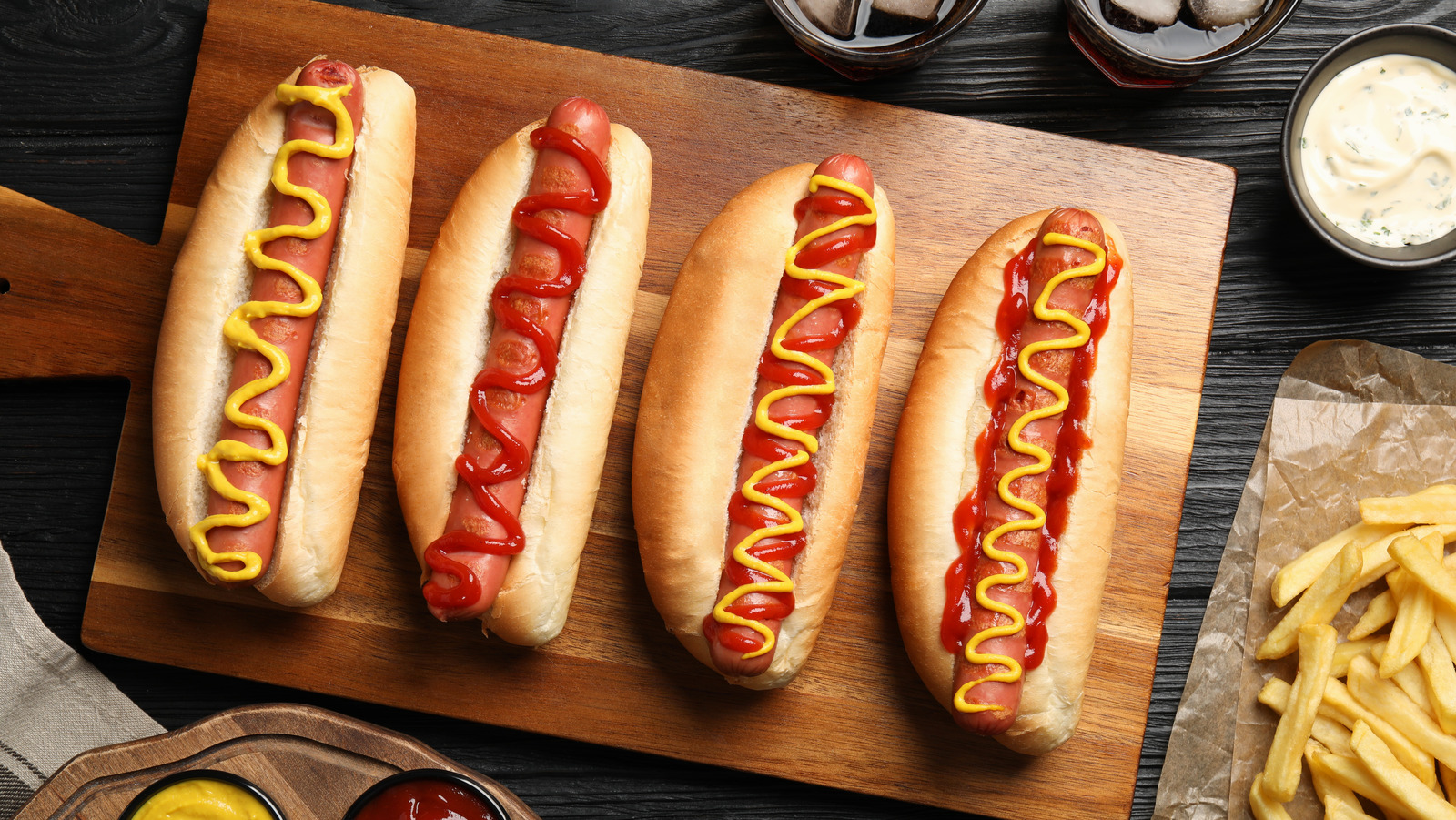
In the culinary world, the term “uncured hot dog” often piques curiosity and prompts numerous questions about its nature and safety. While many have embraced this alternative sausage option, the mystery surrounding it invites both intrigue and skepticism. Let’s explore the nuances of uncured hot dogs, delving into their definitions, ingredients, production processes, and food safety implications.
At the outset, it’s important to demystify what exactly an uncured hot dog is. Contrary to popular belief, the term “uncured” does not mean that the meat has been left to spoil or is devoid of preservatives. Instead, it refers to the absence of synthetic curing agents, such as sodium nitrite or nitrates, which are commonly used in the traditional curing process. In uncured hot dogs, natural alternatives like celery powder or sea salt are utilized as preservatives. These alternatives contain naturally occurring nitrates, which some proponents argue are a safer, more organic option for consumers concerned with the chemical additives commonly found in conventional processed meats.
The hot dog as we know it has traversed a labyrinthine journey from its humble origins to its current status as a staple in American cuisine. However, the modern inclination towards greater health consciousness and clean eating has catalyzed the increasing popularity of alternatives like uncured hot dogs. Many meat aficionados and health-conscious eaters are drawn to the idea that they are consuming “cleaner” products, avoiding synthetic chemicals while still enjoying the delightfully savory experience of a hot dog.
Looking closely at the ingredients list of uncured hot dogs reveals that it’s not solely about the absence of chemicals. These hot dogs often boast higher-quality meats, organic ingredients, and a lack of fillers or byproducts that typically accompany their cured counterparts. Many brands emphasize their commitment to sourcing meat from humanely treated animals, adding a layer of ethical consumption to the uncured hot dog appeal. Furthermore, some uncured varieties may incorporate unique flavor profiles through the use of diverse seasonings, making them a vibrant choice for the adventurous palate.
Yet, despite their allure, consumers should remain vigilant regarding food safety. One might wonder: are uncured hot dogs safer than their cured cousins? When it comes to safety, the narrative is twofold. On one hand, the absence of synthetic preservatives could suggest a healthier option; however, it’s essential to recognize that all hot dogs, regardless of the curing method, must adhere to stringent food safety regulations. This includes ensuring the meat is properly cooked to eliminate potential pathogens.
The production of uncured hot dogs requires meticulous attention to detail to mitigate food safety risks. For instance, because they are often sold without the protective barrier offered by nitrite curing, they may pose a higher risk of spoilage. As a result, these products often have shorter shelf lives compared to traditional hot dogs. This makes it critical for consumers to pay close attention to expiration dates and to store uncured hot dogs at appropriate temperatures to minimize any health risks. A consistent refrigeration routine and avoiding cross-contamination during preparation are quintessential practices for any home cook.
Moreover, a notable concern arises from the way uncured hot dogs are consumed. While traditionalists may relish grilling their hot dogs to a perfect char, it’s crucial to ensure that they are cooked thoroughly to an internal temperature of at least 165°F. This precaution is paramount not only for safeguarding against pathogens like Salmonella or E.coli but also to maintain optimal flavor and texture. Under-cooking can lead to an unwholesome eating experience that could compromise food safety.
In recent years, uncured hot dogs have gained traction among those who find joy in upscale dining and gourmet interpretations of classic fare. Chefs across the culinary spectrum have embraced these meat products, often presenting them in creative dishes that highlight their unadulterated flavors. Whether served in a gourmet bun adorned with artisanal toppings or featured as part of an elaborate entrée, uncured hot dogs offer a delightful opportunity for innovation in dining.
Ultimately, the key to enjoying an uncured hot dog is understanding that while they offer a fresh perspective on a culinary classic, they come with unique responsibilities for consumers. Knowing how to assess labels, identify quality, and adhere to safety practices empowers consumers to make informed choices. With their artisanal vibes, uncured hot dogs may very well be a conversation starter at your next backyard barbecue.
In conclusion, the concept of uncured hot dogs encapsulates a larger trend within the food industry — a quest for transparency, quality, and authenticity. Armed with knowledge about what to expect from these uncured delights, you might discover an exciting new chapter in your gastronomic adventures. Each bite not only tantalizes the taste buds but also opens the door to discuss broader themes surrounding food production, sustainability, and health. Whatever your culinary inclinations, the journey into the world of uncured hot dogs promises to be as enriching as it is delicious.












