
In the age of e-commerce, we often receive notification updates about our shipments, some of which can be perplexing. One such notification is the dreaded “attempted delivery.” But what does this phrase actually entail? Why does it pose a challenge for both shippers and receivers? This article delves into the nuance of attempted delivery and clarifies its implications for all parties involved.
To begin with, let’s define attempted delivery. When a shipping carrier attempts to deliver a package to a recipient’s specified location but is unable to complete the delivery for any reason, the term “attempted delivery” is employed. This could be due to a variety of factors, ranging from the recipient being unavailable to an incorrect address. One might wonder: Why is it that such a simple act of delivering a package can escalate into a series of complications? Let’s examine the layers that contribute to this situation.
The first factor that comes into play is the recipient’s availability. Imagine eagerly waiting for the arrival of your new gadget, only to find that no one is at home during the delivery window. Delivery couriers typically operate within strict timeframes, and if they knock on your door and receive no answer, the window of opportunity closes. This unfulfilled expectation leads to the status of “attempted delivery,” which can ignite a string of inconveniences.
Subsequently, there’s the matter of physical accessibility. Some packages may require a signature upon delivery. If the recipient is not present to sign for the item, it results in another attempted delivery status. Furthermore, in certain cases, the delivery location might pose challenges—gated communities, apartment complexes, and rural addresses may complicate access for delivery personnel. This context highlights the geographical and infrastructural constraints that can culminate in delivery setbacks.
Now, let’s consider the implications of an attempted delivery notification. Upon receiving this alert, anxiety might set in as you ponder questions like, “When will I receive my package?” or “Will I need to reschedule?” These concerns can create an atmosphere of uncertainty, as the recipient becomes apprehensive about their belongings’ whereabouts. Shipping updates act as a double-edged sword; they inform yet can just as easily incite frustration.
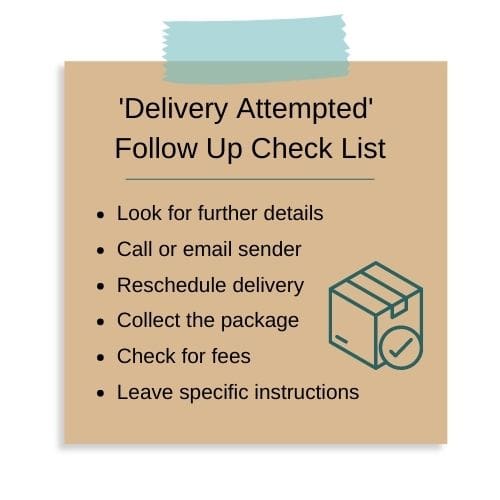
Once an attempted delivery is logged, what happens next? The standard procedure usually involves the carrier leaving a notification, often a card, explaining that they attempted to deliver the package. This card typically includes essential details such as the date and time of the attempted delivery and instructions on how the recipient can proceed. This might involve rescheduling, picking up the package from a designated local facility, or awaiting another attempt at delivery. However, all of these avenues come with their own sets of intricacies. Recipients must re-coordinate their schedules, which may cause additional disruption to their day-to-day activities.
To further unravel this conundrum, let’s turn our attention to what consumers can do to mitigate the potential for missed deliveries. One proactive step is to maintain an updated address profile with the shipping service. This simple act may sound trivial, but ensuring that your address is accurate and current can dramatically reduce the likelihood of delivery mishaps.
Additionally, establishing communication with the carrier offers substantial benefits. Many shipping companies allow for real-time tracking of packages. This means you can see when your item is out for delivery, and if there are indications that the courier may arrive outside the estimated time, you can alter your plans accordingly. Some companies even offer an option to leave packages in a safe location if the recipient cannot be present, transforming the delivery experience from a potential headache into a seamless event.
In contrast, what happens if an item requires a signature, and the recipient is not present to accept it? In those cases, the reality can devolve into a cycle of anxiety as the recipient is left to anxiously await another delivery attempt. Repeat attempts can result in delayed product enjoyment or even, in rare instances, returns to the sender, further compounding the frustration.
So, the next time you encounter an “attempted delivery” message, what can you remember? Understand that this phrase embodies an intricate dance involving logistics, human schedules, and geographical variables. Empower yourself by taking preventive actions. Familiarize yourself with the processes, communicate effectively, and remain adaptable. Deliveries do not have to result in disarray; with a touch of foresight and preparation, they can be a straightforward transition.
In summation, attempted delivery remains a reality for many online shoppers. Yet, demystifying this common occurrence transforms anxiety into understanding. As consumers, knowledge is powerful; by grasping the nuances involved, we can cultivate a more robust relationship with our shipping services and navigate the complexities of online shopping with ease.












