
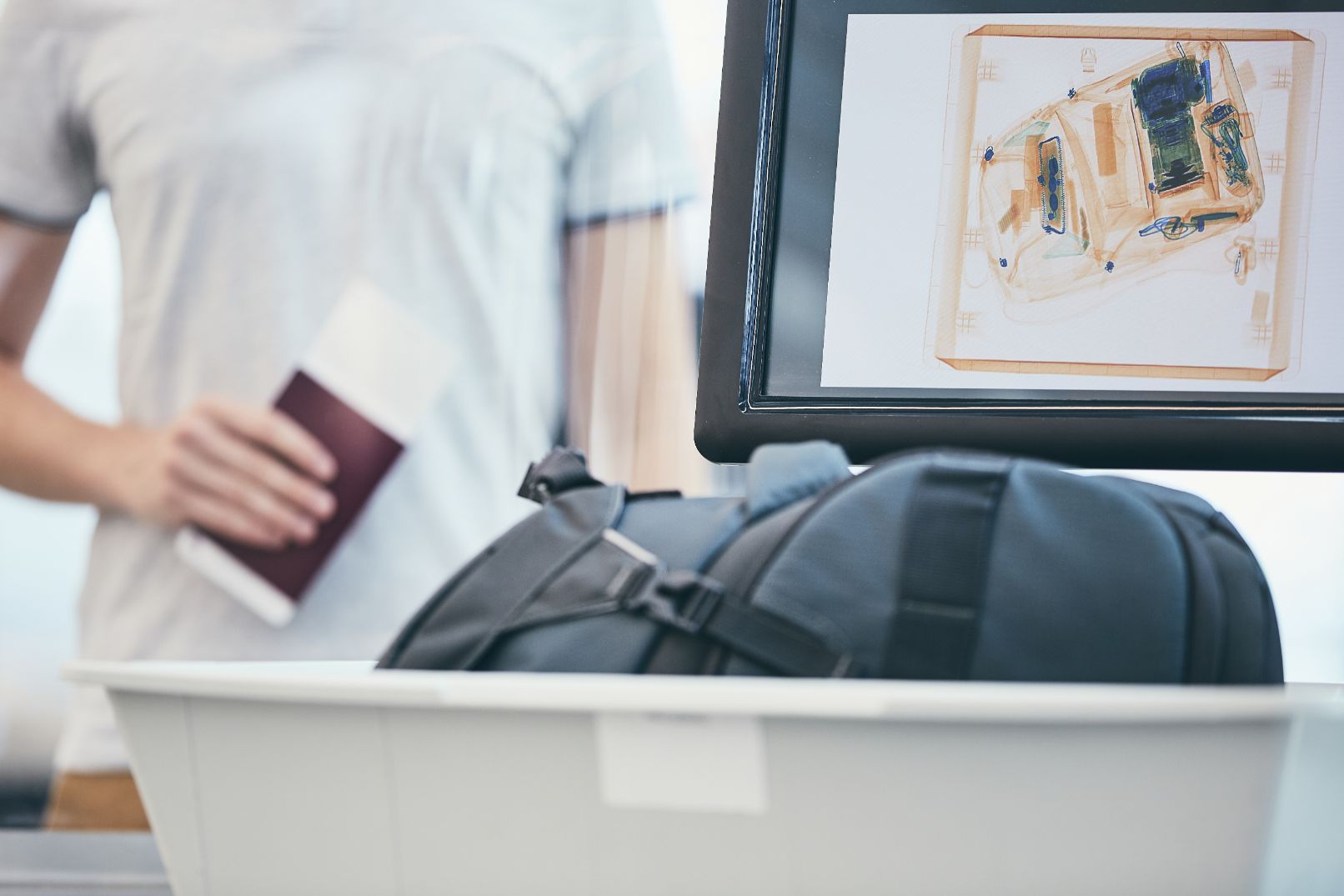
Traveling internationally often involves navigating a labyrinth of regulations and protocols, particularly when it comes to customs. One term that frequently surfaces in discussions about international travel is “being handed over at customs.” But what does this phrasing actually entail? In essence, it refers to the process by which travelers may encounter scrutiny by customs officials at the point of entry into a foreign country. This article explores in detail what this means, the potential implications for travelers, and various issues that may arise throughout the customs process.
Understanding Customs Inspections
When you arrive at customs, officials are responsible for verifying your identity, examining your travel documentation, and ensuring compliance with the country’s legal frameworks regarding goods and immigration. Being handed over at customs generally denotes a situation where your luggage or documentation raises a red flag, warranting closer inspection. This can occur for a multitude of reasons, ranging from simple misunderstandings to more serious violations of customs regulations.
The Spectrum of Customs Interaction
Customs interactions can range dramatically in intensity and purpose. Typically, they can be categorized into three primary levels:
- Routine Checks: This is the most benign form of customs interaction. Most travelers pass through without any issues, merely presenting their passports and filling out declarations related to items purchased abroad.
- Secondary Inspections: In cases where customs officials require more information, travelers may be asked to undergo a secondary inspection. This might involve interviewing the passenger, examining their luggage more thoroughly, or requiring additional documentation.
- Detention and Seizure: In more extreme scenarios, customs officials may detain travelers or seize goods if they suspect smuggling, fraud, or other legal violations. This is often accompanied by a more formal process and can have serious legal implications.
Red Flags that May Trigger a Customs Hold
Understanding what may lead to a more rigorous inspection can prepare travelers for smoother crossings. Here are several common red flags:
- Incomplete Documentation: Failing to present complete or valid travel documentation can trigger a customs hold. Always double-check that your visa, passport, and entry forms are fully completed and correct.
- Excessive or Unusual Luggage: If you carry multiple heavy bags or items that seem out of place for a typical visit, customs may wish to inspect further. Declaring all items efficiently can help mitigate this issue.
- Inconsistent Travel Patterns: Frequent trips to a country without a clear purpose can raise suspicions. Have a plausible explanation ready if questioned about your travel itinerary.
- Behavioral Cues: Customs officials are trained to read body language and other non-verbal cues. Exhibiting signs of nervousness or evasiveness can lead to increased scrutiny.
Common Questions Encountered at Customs
During encounters with customs officials, it’s customary to expect a set of standard questions. These inquiries are aimed at assessing your compliance with regulations:
- Purpose of Visit: Travel reasons can vary greatly, from tourism to business, and customs officials will want clarity regarding your intent.
- Duration of Stay: Officials will query your timeline, looking to ensure that your stay aligns with what is permitted under your visa or entry status.
- Item Declarations: Travelers are often asked to declare items that may have import duties or restrictions. This can include large sums of cash, expensive electronics, or certain types of food and alcohol.
Real-Life Scenarios: The Consequences of Being Handed Over
Travelers can face a plethora of challenges when handed over at customs. Each scenario varies, with unique nuances:
- Misunderstood Item Declarations: Some travelers may inadvertently mislabel gifts or merchandise, leading to misinformed declarations. This can result in penalties, fines, or, in severe cases, expulsion from the country.
- Legal Ramifications from Detained Goods: If authorities suspect that an item in your possession is illicit, such as drugs or counterfeit merchandise, this can lead to serious legal action against you.
- Travel Delays and Missed Connections: Prolonged inspections can disrupt travel itineraries. Failing to account for potential customs delays can lead to missed flights or appointments.
Mitigation Strategies for Smooth Travel
Understanding customs and being prepared can significantly ease the travel experience. Here are some strategies to mitigate potential customs issues:
- Research the Host Country’s Regulations: Familiarize yourself with import restrictions and ensure you have all necessary documentation ready before arriving.
- Organized Packing: Clearly pack and label all items you are carrying. Consider keeping a travel log to help explain your belongings if queried.
- Maintain Calm and Honesty: If faced with questioning, remain calm. Providing clear and honest answers can ease the process.
In conclusion, understanding what it means to be handed over at customs is crucial for any traveler seeking to traverse international borders. From the various levels of customs checks to the myriad reasons that may prompt further scrutiny, being prepared can greatly enhance the travel experience. By staying informed and organized, you can navigate customs efficiently, avoiding unnecessary complications and enjoying your journey ahead.












