
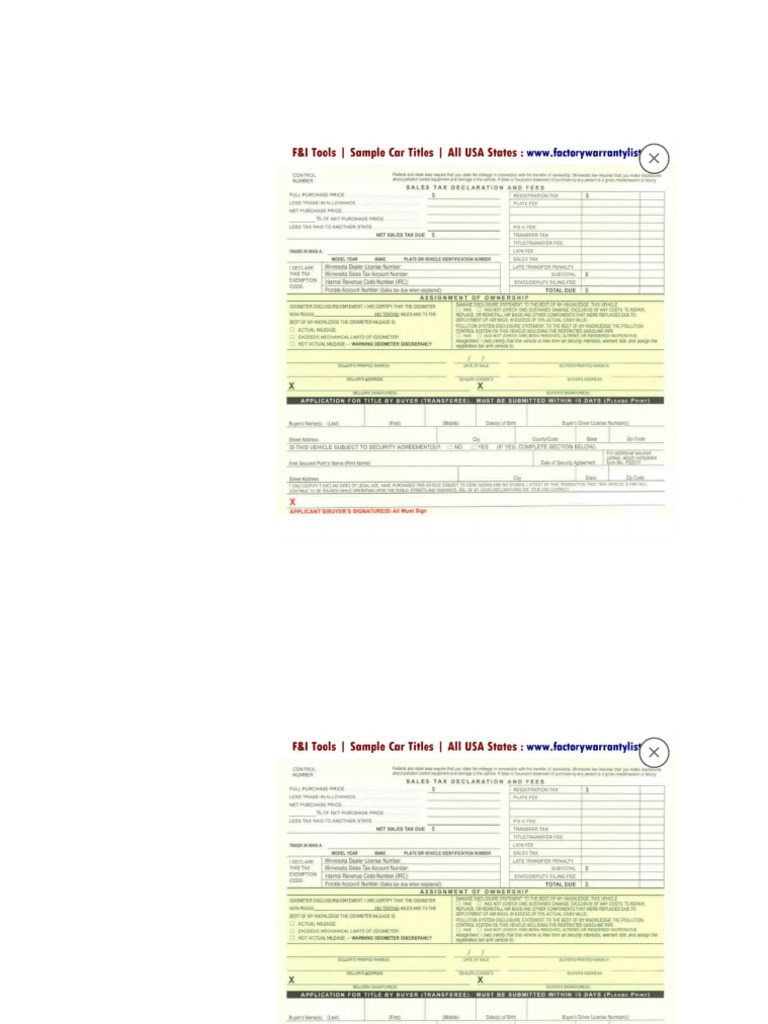
When we embark on the journey of car ownership, we often encounter a flurry of terminologies that can be bewildering. One such term that frequently arises is the “blue title.” For many individuals, the color of the title can invoke curiosity, but it’s essential to understand that these hues signify more profound implications regarding vehicle ownership and legalities. This article delves into the nuances of car ownership terminology, particularly focusing on what a blue title means and navigating through various related concepts.
Understanding Vehicle Titles
Before diving into the specifics of blue titles, it is crucial to grasp the concept of vehicle titles in general. A vehicle title is a legal document that proves ownership of a vehicle. Titles vary from state to state, reflecting the differing regulations and standards across regions. The title contains vital information, including identification numbers, the make and model of the vehicle, and information regarding any lienholders. Understanding the components of a title sets the stage for deeper comprehension of its various classifications.
What Is a Blue Title?
A blue title, often referred to as a “blue slip” in some states, primarily represents a title that has been issued after certain conditions have been met regarding the vehicle’s ownership history. It typically indicates that the title has been verified and authenticated by the appropriate governmental authority, often following a change in ownership. The coloration of the title itself is not universally standardized; however, many states utilize blue for special classifications, such as rebuilt or reconstructed vehicles.
The Significance of Title Color
While the term “blue title” sounds straightforward, titles can manifest in various colors, each signifying different statuses or conditions of a vehicle. Common color classifications include:
- Green Title: This may indicate normal ownership without any issues – the most common title type.
- Salvage Title: Vehicles with salvage titles have been declared a total loss by insurance companies but can be rebuilt for road use.
- Clear Title: This signifies that there are no liens or legal claims against the vehicle, essentially meaning it is free of any financial burdens.
- Junk Title: Vehicles classified under this title are not roadworthy and are either designated for scrap or have no value in the commercial market.
Understanding these distinctions aids potential buyers and sellers in identifying the status of a vehicle and ensuring that due diligence is performed during the transaction.
Why Does It Matter?
The implications of identifying a vehicle’s title status, particularly the blue title, are multifaceted. A blue title often signifies that the vehicle has been examined, potentially after being salvaged or reconstructed, and meets safety and regulatory standards for operation. Buyers may often feel more secure acquiring vehicles with a blue title, as it suggests adherence to safety standards, reflecting a systemic verification process. Conversely, a clear title offers the most peace of mind as it denotes unencumbered ownership.
Obtaining a Blue Title
Should you find yourself in a situation where you require a blue title, the process can vary by state, often involving inspections and thorough record assessments to establish the vehicle’s history. Common steps in obtaining a blue title include:
- Inspection: Undergoing a comprehensive inspection by a certified mechanic or state motor vehicle department personnel.
- Application: Submitting appropriate documentation to the state authorities, demonstrating proof of ownership, repairs made, and inspections passed.
- Fees: Paying any applicable fees associated with title processing, which may vary significantly by jurisdiction.
This meticulous process is designed to foster confidence between buyers and sellers, ensuring the vehicle can be safely and legally operated on public roads.
Potential Pitfalls
While blue titles convey assurance in vehicle quality, it is imperative to remain vigilant—some pitfalls can mar what seems like a straightforward transaction. Potential buyers should:
- Research Validity: Confirm the legitimacy of the title through state motor vehicle departments to avoid fraudulent title scams.
- Request Maintenance Records: Ask for service documentation to understand the vehicle’s repair history, avoiding future headaches.
- Consider Professional Inspections: Engage a professional to evaluate the vehicle prior to purchase, particularly if it carries a title of reconstruction—since appearances can be deceptive.
Each of these practices adds an additional layer of protection, ensuring that your foray into car ownership is conducted with knowledge and precaution.
Conclusion: The Journey of Vehicle Ownership
In conclusion, understanding the intricacies of vehicle titles, particularly the significance of a blue title, enhances your knowledge as a consumer. The world of car ownership is replete with a variety of classifications and legal proceedings that can often confuse even the savviest buyers. By familiarizing yourself with these terms and their implications, you are poised to make more informed decisions as you navigate this complex landscape. Whether it’s a blue, green, or salvage title, each color speaks to a story of ownership, history, and possibilities. Approach your vehicle journeys with curiosity and confidence, equipped with the knowledge that empowers you in the world of automobiles.












