
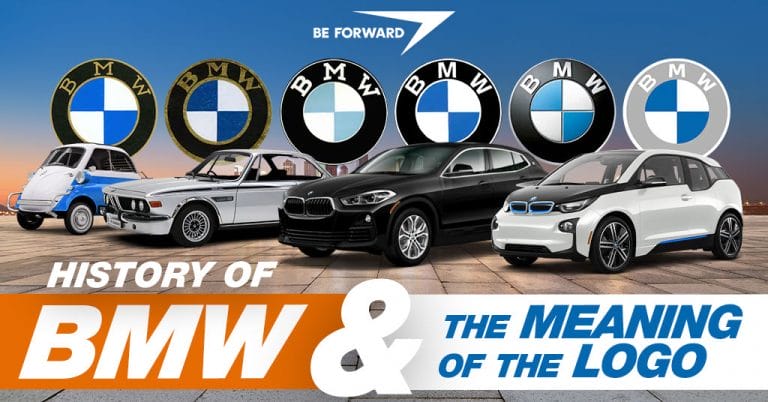
What does BMW mean? This seemingly straightforward question harbors a realm of intricacies and a rich history that reflects the brand’s evolution throughout the years. For aficionados of luxury automobiles or casual observers alike, deciphering the essence of BMW goes beyond mere nomenclature; it traverses the intriguing intersections of engineering excellence, innovative design, and a legacy steeped in Bavarian traditions.
At its core, BMW is an acronym that stands for Bayerische Motoren Werke, or Bavarian Motor Works when translated into English. This designation offers a glimpse into the company’s origins, as it was born in the heartland of Bavaria, Germany, a region renowned not just for its picturesque landscapes but also for its industrious spirit and groundbreaking innovations in automotive engineering. However, the essence of BMW extends much deeper than its initials.
So, how did a simple name evolve into a global emblem of luxury and performance? Let’s embark on a journey through time to explore the multifaceted meanings and implications of the BMW brand name, revealing not only its etymological roots but also the cultural significance it holds today.
The Birth of an Icon
The story of BMW dates back to 1916, during the throes of World War I. Originally, the company was established as a manufacturer of aircraft engines. The prowess demonstrated in engineering powerful, reliable engines laid the foundation for the brand’s future endeavors. It was in the aftermath of the war that BMW shifted its focus to motorcycle production in 1923 and, subsequently, to automobiles in 1928.
As the company transitioned from engines to vehicles, its ethos of performance-driven engineering remained steadfast. The name BMW signifies not only its Bavarian roots but also a commitment to high-quality manufacturing and driver-centric design. Thus, the acronym, while straightforward, is imbued with the promise of precision engineering, innovative technology, and an unparalleled driving experience.
The Symbolism of the Logo
Interestingly, the logo’s design is often misinterpreted as a propeller in motion, alluding to BMW’s origins in aviation. This duality—the representation of both the company’s geographical roots and its historical beginnings—imbues the brand with a dynamic character that mesmerizes enthusiasts and casual consumers alike.
A Legacy of Innovation
This constant flux begs the question: How does one maintain a brand’s identity while evolving with the demands of a rapidly changing market? The answer lies in a meticulous balance of heritage and progress. BMW embodies this through its tagline, “The Ultimate Driving Machine,” inviting consumers to challenge their perceptions of luxury and performance.
A Consumer Experience
The significance of the BMW name transcends technical specifications and engineering marvels; it encapsulates a lifestyle. Owning a BMW is often perceived as a status symbol—representing not just material wealth but also a passion for the finer things in life. How does one characterize this experience? Is it the symphony of its engine? The polished aesthetics of the exterior? Or, perhaps, the intimate connection felt when navigating winding roads?
One could argue that BMW cultivates a sense of community among its owners. The brand enthusiasts often form clubs, partaking in events and track days, reveling in their shared affection for the brand. To possess a BMW is to join a league of discerning individuals who appreciate unparalleled craftsmanship, excitement, and tradition.
Looking Towards the Future
With such initiatives, BMW invites contemplation on another profound question: Can a brand historically associated with performance transform itself into a champion of sustainability without diluting its essence? This interplay between tradition and innovation is what will define BMW in the coming decades.
Conclusion












