
What does bounce mean on a golf wedge? It’s a question that stumps many amateur golfers, yet it’s an essential concept that separates the casual player from the skilled aficionado. Imagine standing over a delicate chip shot, when suddenly you realize that understanding wedge bounce could be the key to executing that picture-perfect stroke. But what if you’ve been using your wedges without fully grasping this pivotal aspect? Let’s delve into the intricacies of bounce, illuminating its significance in the art of golf, while ensuring you’re well-equipped to tackle the challenges that lie ahead on the fairway.
Understanding Bounce: The Basics
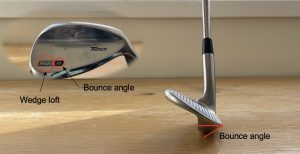
Bounce refers to the angle formed between the leading edge of the wedge and the lowest point of its sole—the part that makes contact with the ground. Generally measured in degrees, this parameter affects how the club interacts with the turf or sand during your swing. In essence, a higher degree of bounce means that more of the sole contacts the ground, which can help prevent the club from digging too deeply into the earth. Conversely, a wedge with less bounce may easily become stuck in the ground, or fail to glide through the grass or sand as intended.
The Importance of Bounce in Various Conditions
Understanding bounce is crucial for various playing conditions. Do you often find yourself playing on firm, hard-packed greens, or do you prefer the soft, lush fairways of a damp morning? Each terrain demands a different level of bounce for optimal performance. On softer surfaces, a higher bounce allows the wedge to skim over the turf rather than plunge beneath it, facilitating a smoother execution of chips and pitches. On the contrary, in firmer conditions, a lower bounce can help penetrate the surface more effectively, ensuring solid contact with the ball.
Choosing the Right Bounce for Your Game
Choosing the right bounce is pivotal to maximizing your performance. Golfers often overlook this when selecting a wedge, typically opting for aesthetics or brand name instead of examining technical specifications. When evaluating which degree of bounce suits your game, consider your typical playing conditions, swing style, and even personal preferences. Are you an aggressive player who tends to take deep divots, or are you more of a sweeper who glides through the ball? Each style dictates a specific bounce requirement.
For players who often find themselves in fluffy bunkers, a wedge with a higher bounce—typically between 10 to 14 degrees—is advantageous. This configuration allows the club to lift smoothly from the sand without risk of digging too deeply. In contrast, players who frequent tightly mowed lies or firm surfaces may prefer a lower bounce (4 to 8 degrees), which permits more precision and control in striking the ball.
Standardization vs. Personalization
It’s vital to consider standardizations in bounce choices among different wedge brands. While some companies adhere to a common understanding of bounce, others may provide variations in how they define and design their wedges. Therefore, you might want to try out various wedges on the course or use simulators to discover what works best for you. Custom fitting can also be instrumental, as it allows you to pinpoint your unique bounce requirement based on your swing dynamics.
The Role of Bounce in Short Game Mastery
The short game is often touted as the heart of golf, where the magic of wedge play can save strokes. The intricacies of bounce play a significant role in this delicate aspect of the game. Imagine standing over a chip shot from the fringe, with a subtle slope between you and the pin. The right bounce allows you to use the terrain effectively, directing the ball towards your target with finesse. Conversely, a flawed understanding of how bounce works might result in mishits, leaving you with longer putts than necessary.
Learning how to manipulate bounce can also set you apart from your peers. By adjusting your ball position and stance, you can control how the wedge interacts with the ground, leading to variations in shot execution. Experimenting during practice rounds can help distinguish your capabilities, enabling you to develop a repertoire of shots for various situations.
Common Misconceptions about Wedge Bounce
Despite its importance, many golfers harbor misconceptions about bounce. One prevalent myth is that more bounce is always better. This notion disregards the player’s skill level and the specific conditions of play. A high-bounce wedge can be an impediment for a player who has a steep swing path, resulting in inconsistent shots. Balance is key!
Another common misjudgment involves confusing bounce with loft. While these two features may seem interconnected, they serve different purposes. Loft determines the trajectory and distance a ball will travel, while bounce mitigates how the club interacts with the ground. Understanding this distinction is vital for aspiring golfers seeking to refine their techniques.
Elevating Your Game with Bounce Knowledge
With the right knowledge on bounce, you can elevate your performance on the course. The nuances of effective wedge play extend beyond just mechanics; they delve into understanding how your tools interact with their environment. Taking the time to learn about bounce can save you strokes, improve your confidence, and ultimately make your golf experience more enjoyable.
As you explore the world of wedge bounce, remember to embrace the learning curve. Understanding how bounce impacts your game can set you up for long-term success. Whether you’re wading through a challenging bunker, navigating a tricky chip shot, or simply practicing your short game, let the concept of bounce guide you to greener pastures on the golf course.












