
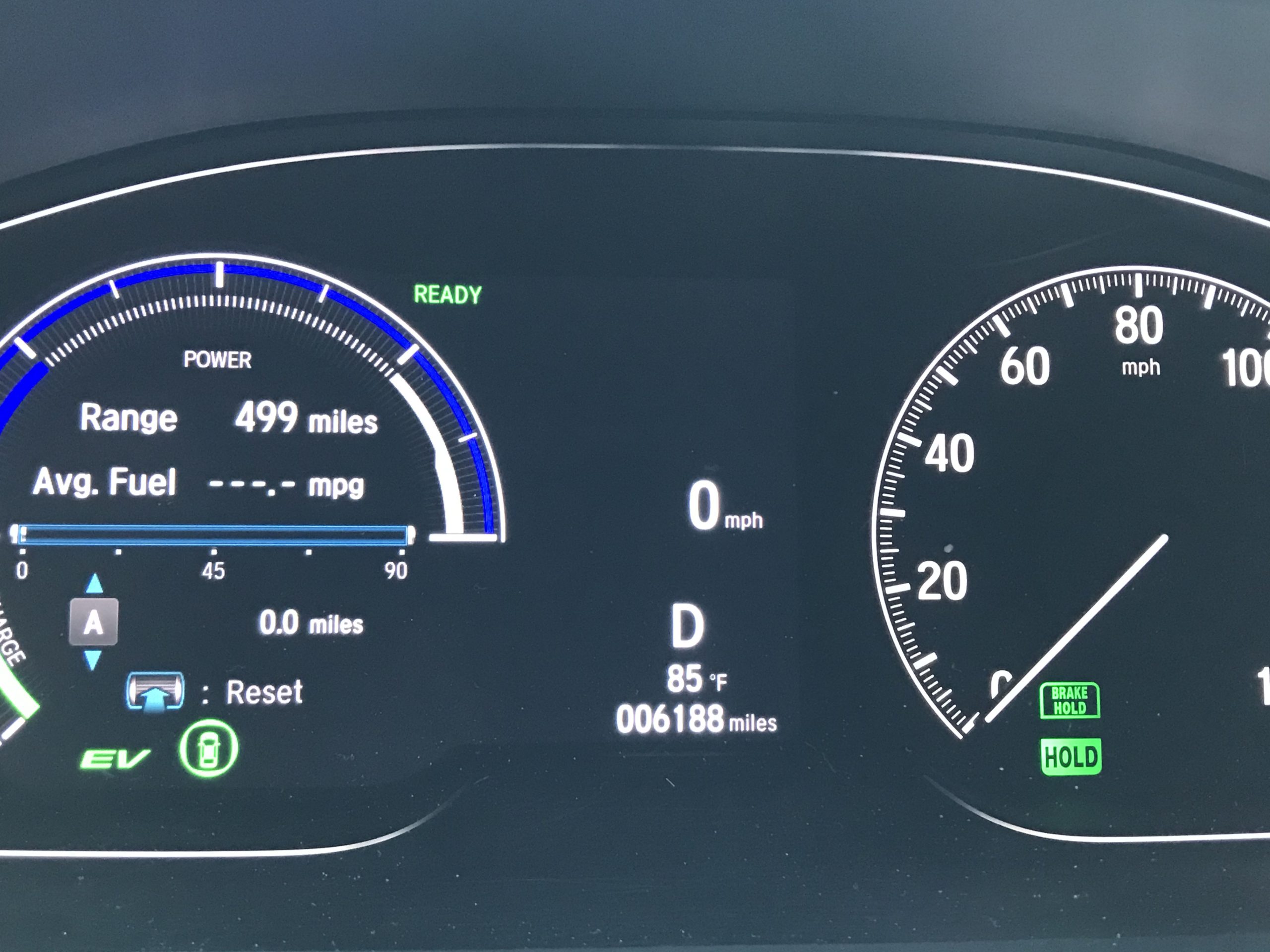
In the realm of automotive innovation, the ‘Brake Hold’ feature stands as a testament to the splendid advancements in car technology, poised to revolutionize the way we approach driving. Have you ever pondered the complexities behind modern vehicle functionalities? Specifically, what is this enigmatic ‘Brake Hold’ button nestled in your car’s dashboard? As cars evolve, so do their intricacies, and while technology aims to enhance our driving experience, it can also pose questions and challenges for many. Let’s delve into the purpose, functionality, and implications of the Brake Hold feature in contemporary vehicles.
Firstly, the Brake Hold feature is primarily designed to enhance comfort and safety while driving, especially in stop-and-go traffic situations. It acts as a soothing balm for drivers who dread the tediousness of frequent stopping and starting. When engaged, this feature allows the car to maintain a stationary position without the need for constant application of the brake pedal. It automatically holds the brake when the vehicle comes to a complete stop, releasing it only when the accelerator pedal is pressed. This automation not only alleviates foot fatigue but also provides a layer of security by preventing the car from inadvertently rolling backward on inclines.
Imagine yourself navigating a bustling city, surrounded by an orchestra of honking horns and flashing lights; the prospect of being able to relax your foot off the brake pedal is alluring. In such bustling environments, ‘Brake Hold’ serves as an invaluable ally. It eliminates the anxiety of having to maintain pressure on the brake at traffic lights or in prolonged stops, making your journey far more enjoyable.
However, what does this feature really entail? At its core, Brake Hold utilizes sensors and electronic controls. When the driver comes to a full stop, the system engages automatically. Depending on the car model, it can be activated through a simple button or could be built into the car’s existing brake system. Sensors track the vehicle’s position and stability, ensuring that the vehicle does not move unexpectedly. Once you’re ready to accelerate, simply pressing the gas pedal deactivates the hold, allowing for a smooth and unimpeded acceleration.
Now, while Brake Hold brings undeniable advantages, there are instances where it may present challenges or confusion for novice drivers. The first hurdle is understanding its limitations. Although Brake Hold is a remarkable feature, it is not meant to replace fundamental driving skills. Drivers should remain vigilant and ready to intervene at any moment. The system can disengage if a snappy response is required to prevent potential collisions or in unexpected circumstances, and it’s crucial to grasp that a failed comprehension of this technology could lead to perilous situations.
The nuances of using Brake Hold extend beyond mere operation. One common inquiry revolves around how it interacts with other systems, such as Adaptive Cruise Control or Hill Start Assist. Many modern vehicles synergize these functions, creating a symphony of support for the driver. For instance, while in stop-and-go traffic, Adaptive Cruise Control can maintain a predetermined distance from the car ahead while Brake Hold takes care of the stops. This layered integration encapsulates the essence of modern automobile design—convenience melded with safety.
Furthermore, with the rise of electric and hybrid vehicles, it’s worth noting how Brake Hold functions in these powertrains. In electric cars, regenerative braking systems may influence the response of Brake Hold. As you come to a stop, the braking energy can be redirected back into the battery, functioning similarly to traditional braking but with the added benefit of energy efficiency. This innovative approach not only enhances performance but underscores automotive manufacturers’ commitment to sustainability.
As technology continues to proliferate, the future of Brake Hold invites even more intriguing possibilities. With the advent of autonomous vehicles, the concept of braking—and the need for manual intervention—could become a relic of the past. Envision a world where your vehicle smoothly glides to a stop, held rigidly in place without any action on your part, until it’s commanded to proceed. Now isn’t that a tantalizing thought?
In the realm of car features, however, an increasing array of options can be overwhelming. New drivers might wrestle with deciphering which features are genuinely beneficial versus those that merely complicate. That’s why engaging with these functionalities—whether through demonstrations, owner’s manuals, or instructional videos—can be immensely beneficial. Familiarity breeds confidence; understanding how to use Brake Hold effectively will enhance your driving experience significantly.
In summary, the Brake Hold function exemplifies how far automobile technology has advanced, achieving a remarkable balance between safety, comfort, and convenience. As cars become increasingly sophisticated, it is essential for drivers to stay informed and adept at utilizing these features to improve their journeys. So next time you encounter that intriguing little button on your dashboard, take a moment to contemplate its purpose and take full advantage of its capabilities while navigating the roads ahead. Remember, modern driving should be as much about enjoying the ride as it is about reaching your destination.












