
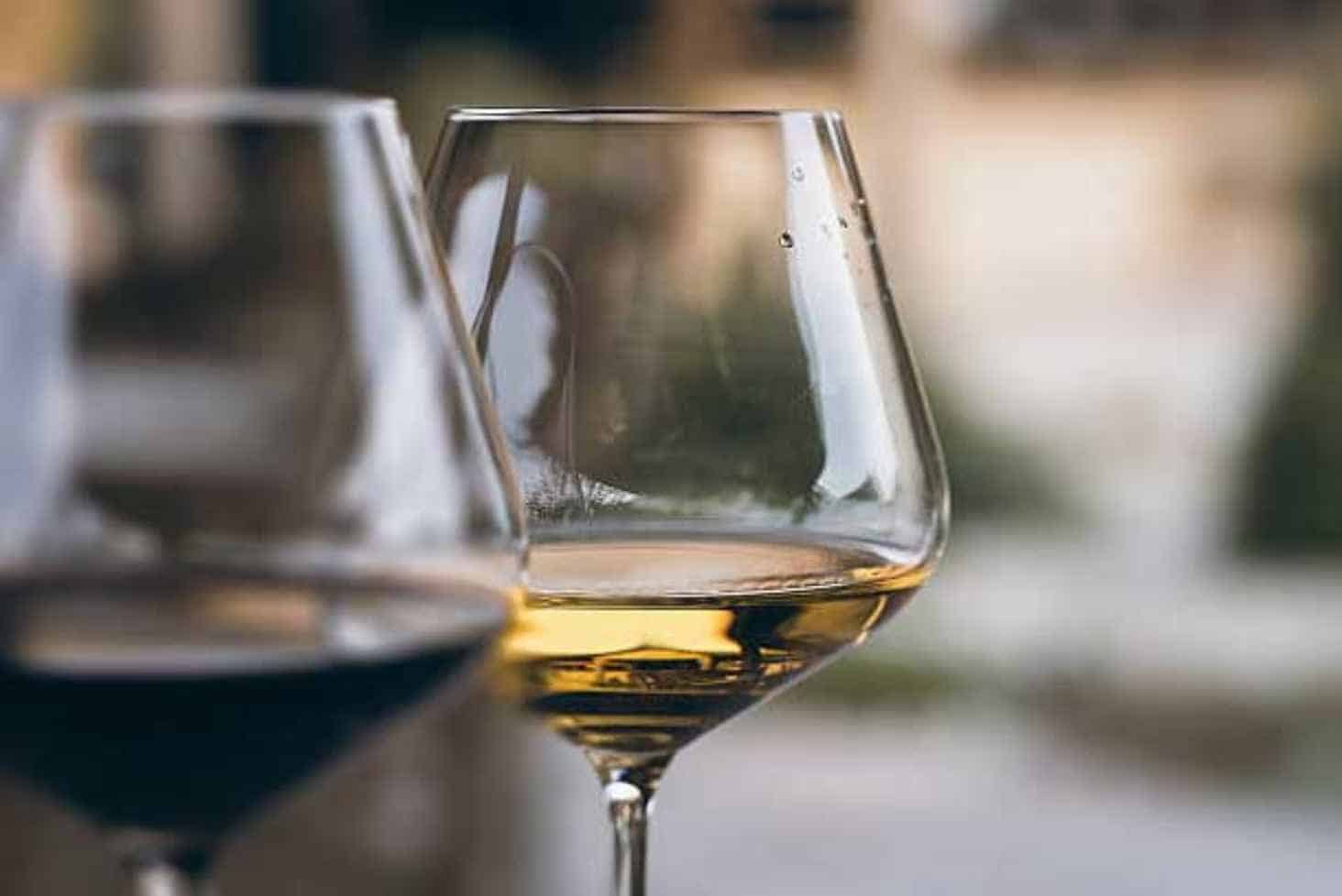
When you swirl a glass of Chardonnay or a robust Viognier, you might catch a glimpse of a specific terminology that tends to baffle even the most seasoned wine enthusiasts: “buttery.” But what does it truly mean? Is it simply a descriptor for a creamy texture, or does it delve deeper into the intricacies of flavor profiles? As you embark on this flavorful expedition, prepare to explore the underlying essence of buttery wines, their making, what flavors you can expect, and the emotions they evoke.
First and foremost, let’s unveil the enigma behind the term “buttery.” At its core, buttery refers to the sensory experience stimulated by certain wines, particularly those that undergo malolactic fermentation. But what is this fermentation process, and how does it contribute to the buttery traits? Imagine the transformation of harsh malic acid, reminiscent of green apples, into softer lactic acid, akin to the creamy notes found in milk. This alchemical shift takes place when specific strains of bacteria are introduced to the wine. The outcome? A luxurious mouthfeel and a hint of richness reminiscent of freshly churned butter.
What flavors come to mind when you think about butter? The tactile sensation plays a central role, but it is by no means the sole contributor to the overall character of these wines. When you sip a buttery wine, brace yourself for an orchestra of flavors that often includes toasted oak, vanilla, and even a whisper of tropical fruit, like ripe bananas or mangoes. Imagine a buttery Chardonnay gliding over your palate, leaving behind a trail of warmth and satisfaction. Such experiences are a hallmark of decisions made during winemaking, including the choice of barrels and the intricacies of aging.
While buttery might suggest a singular flavor profile, it’s crucial to recognize that it exists on a spectrum. Some wines may display a gentle hint of buttercream, while others may overwhelm the senses with a more pronounced richness. So, the next question arises: how do you discern these subtleties? Consider the context in which your wine is crafted. The region, climate, and grape variety all feed into the complex tapestry of flavor notes. For example, Chardonnays from colder climates may retain higher acidity, balancing the creamy sensations with a zesty finish, whereas those from warmer regions might lean more heavily on the buttery characteristics.
Moreover, the interplay between oak and butter is often fascinating. Winemakers often use oak barrels not just for aging, but also to impart flavors. The charring process, fundamental to barrel-making, contributes notes of vanilla, spice, and caramel, which can blend exquisitely with the buttery attributes derived from malolactic fermentation. Visualize a glass of oaked Chardonnay, its golden hue glistening in the light, promising an alluring symphony of flavors. When you take that first sip, the rich, buttery sensation mingles with undertones of hazelnut and tangy apple. It’s like indulging in a decadent dessert, where the flavors dance together in harmonious bliss.
Understanding what buttery means in wine is not merely about savoring flavors; it also invites a deeper appreciation of the craftsmanship behind each bottle. The notion of terroir, the unique interaction of soil, climate, and grape varieties, plays a significant role in shaping a wine’s identity. When you consider a buttery wine, think of it as a reflection of its environment, an expression of the vineyard’s ethos translated across the miles. This connection further deepens your experience, as you come to savor not just the wine, but the geographical narrative it unfolds with every sip.
Yet, amid all this allure, there lies a challenge: Not all buttery wines will suit every palate. Some wine aficionados may find these opulent flavors overwhelming or excessively rich. The key lies in understanding personal preferences and being open to experimentation. Should you find the rich butter notes beckoning you, pair them with food to elevate your experience. Creamy pastas, buttery lobster, and even savory cheeses can complement the wine’s texture, creating a harmonious connection that tantalizes the taste buds.
For those who appreciate complexity, the world of buttery wines offers a delightful rabbit hole of exploration. Delve beyond the usual suspects like Chardonnay to discover other grape varieties that might present buttery characteristics. Consider exploring Viognier or even certain styles of Sauvignon Blanc that carry this rich, sensational flavor. Each varietal unfolds a plethora of textures and nuances, making your journey through the world of buttery wines all the more exciting.
In conclusion, the terminology of buttery in wine encapsulates a delightful range of experiences, bridging the domains of flavor, texture, and craftsmanship. It invites both novices and aficionados to relish a palette rich in complexity and character. As you navigate your next wine selection, ask yourself: Will you embrace the silky smooth sensations of a buttery wine, or will you seek out something with a brighter, crisper profile? Dive deep into the pool of flavors, and let each glass reveal its own story, rich with buttery allure and unexpected surprises.












