
When was the last time you thought about the brakes on your vehicle? Most of us take them for granted—until that ominous warning light flickers to life on the dashboard. “Check Brake System” is a phrase that can send a shiver down any driver’s spine, evoking concerns about safety and performance. But what does it really mean, and why should it matter to you?
To comprehend the gravity of this warning, it’s imperative to delve into what the brake system is, how it functions, and what a simple alert could signify. Think of your vehicle’s brake system as its lifeline, its critical mechanism for safety. Every time you press the brake pedal, a series of intricate processes unfold to halt your vehicle effectively. However, when the system encounters issues, the consequences could be dire.
What could be lurking behind the warning light? Let’s explore the various components that could lead to the “Check Brake System” alert and the potential challenges they bring.
The Anatomy of a Brake System
A modern brake system comprises various components, each playing a pivotal role in the overall functionality. Understanding these parts is essential to grasping what could go wrong:
- Brake Pads: These are the friction material that applies pressure to the brake rotors, ultimately slowing down the wheels. Worn-out pads can compromise braking efficiency.
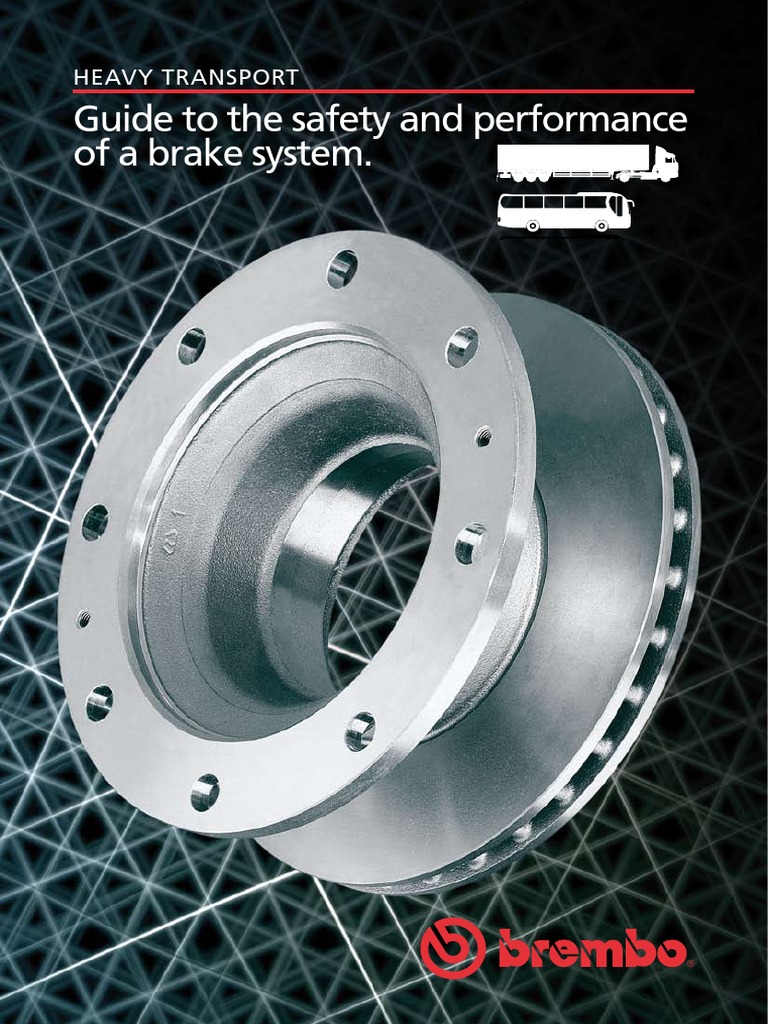
- Brake Rotors: The discs that the brake pads clamp down onto. If these become warped or excessively worn, they can lead to inconsistent braking.
- Brake Fluid: This hydraulic fluid transmits pressure from the brake pedal to the brake pads. Low fluid levels or contamination can result in diminished braking capability.
- Calipers: These house the brake pads and pistons. Caliper issues can lead to uneven braking force, potentially causing the vehicle to pull to one side.
- Master Cylinder: This component converts the push of your foot on the brake pedal into hydraulic pressure. If it malfunctions, the entire braking system can fail.
Signs Your Brake System Needs Attention
Now that we know its components let’s explore the symptoms that might accompany the “Check Brake System” warning:
- Unusual Noises: Squeaking, grinding, or other strange sounds when the brakes are engaged can indicate worn-out pads or damaged rotors.
- Vibrations: If the steering wheel shakes during braking, it often points to warped rotors.
- Increased Stopping Distance: If you feel that you need to press the brake pedal harder or for longer to stop, it’s a red flag.
- Warning Lights: The dashboard indicator isn’t just a suggestion. It’s an alert to inspect the system immediately.
The Implications of Ignoring the Warning
The repercussions of neglecting a brake issue can be catastrophic. Imagine barreling down a highway and finding out your brakes have failed due to a minor ignored indicator. The importance of addressing brake system issues cannot be overstated. A compromised braking system can lead to:
- Increased Risk of Accidents: A malfunctioning brake system means you’re playing a dangerous game with safety, endangering yourself and others on the road.
- Higher Repair Costs: What may start as a simple brake pad replacement can escalate into significant expenses if you postpone necessary repairs.
- Legal Consequences: In the event of an accident due to brake failure, the legal ramifications can be severe, including liability for damages or injury.
What to Do When You See “Check Brake System”
Panic doesn’t have to ensue the moment you see that warning light. Instead, take a methodical approach:
- Pull Over Safely: If you’re driving and see the warning, find a safe spot to pull over as soon as possible.
- Inspect the Vehicle: Once parked, check for visual cues like low fluid levels or wheezing sounds.
- Consult a Professional: If you’re unsure or witness any other symptoms, it’s best to take your vehicle to a mechanic who specializes in brake systems. Their expertise can address problems you might not perceive.
Preventive Measures to Ensure Brake System Longevity
Like maintaining a digital device, your vehicle requires preventive care to avoid issues. Here are a few preventative measures to extend the lifespan of your brake system:
- Regular Inspections: Schedule routine brake inspections to catch wear and tear before they evolve into severe issues.
- Fluid Checks: Keep an eye on brake fluid levels and replace fluid as needed; contaminants can compromise braking performance.
- Driving Habits: Practice smooth acceleration and deceleration to reduce stress on your brakes. Avoiding excessive speeding not only helps longevity but is safer for all.
Conclusion: Don’t Let the Warning Go Unheeded
The phrase “Check Brake System” is not merely a suggestion; it’s an urgent call for action that could protect your life and the lives of others. By understanding its implications, the significance of each component, and the necessity for routine maintenance, drivers can navigate their vehicles safely on the roads. Embrace the responsibility of maintaining your brake system—your life may depend on it.












