
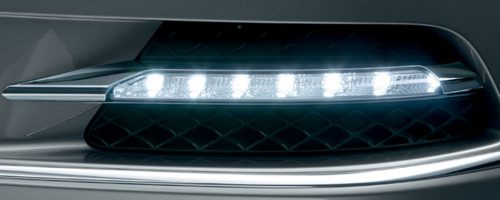
In the grand theater of automotive innovation, the spotlight often falls upon safety features, and among these, Daytime Running Lights (DRL) take center stage. These illuminated sentinels not only enhance visibility but also serve as a striking signature of modern vehicular design. However, when the dashboard illuminates a warning that reads “Check DRL System,” it can evoke a sense of urgency akin to the overture before a dramatic symphony. What does this really mean, and why should drivers pay heed?
To immerse oneself into the concept of Daytime Running Lights is to step into a realm where function dances with style. Designed to increase the conspicuity of vehicles during daylight hours, DRLs form a castle of illumination, allowing cars to be easily perceived by other road users. Unlike standard headlights, which are typically more powerful and used during low-light conditions, DRLs are intentionally less intense. They are akin to a soft whisper, designed to attract attention without blinding the onlooker.
So, when your vehicle prompts you to “Check DRL System,” it is akin to a maestro signaling that something is amiss in the orchestra. The lights may be malfunctioning, or one may have gone dark—an indication that your car’s communication systems are not functioning harmoniously. This seemingly innocuous warning is not merely an irritant; it garners attention because it underpins the broader theme of vehicle safety that DRLs represent.
1. The Purpose of Daytime Running Lights
Why were these lights conceived? The rationale lies in empirical research highlighting that vehicles equipped with DRLs are significantly less likely to be involved in daytime accidents. The visibility offered to oncoming traffic serves to remind fellow drivers of a car’s presence, combating the illusion of invisibility that sometimes befalls lesser-lighted vehicles during the sunlight hours.
Moreover, DRLs augment other safety features; they can eliminate the confusion between daytime and nighttime driving. In an era where distraction reigns supreme, any additional cues that remind others to remain vigilant on the roads hold immeasurable value.
2. Mechanisms Behind the DRL System
To delve deeper into the workings of DRLs is to unveil a tapestry of intricate engineering. At the heart of the DRL system lies a sensor that modulates the lights based on ambient light conditions. Under optimal lighting, such as during the day, the sensors activate the DRLs while powering down more formidable headlights to conserve energy. It’s a delicate balancing act that requires precision akin to a skilled tightrope walker. When the sun dips below the horizon, the sensors automatically switch to a more traditional headlight configuration. This transition mirrors the shifting of the tides—the reliance on one source of light gives way to another more powerful form.
Additionally, modern vehicles often integrate DRLs with various light technologies: LED, halogen, or even xenon. Each kind of light source comes with its own palette of benefits and drawbacks, offering myriad choices for manufacturers aiming to optimize safety and efficiency.
3. The Importance of Maintenance
Just as an instrument in the orchestra requires tuning, the DRL system demands consistent attention to function optimally. A flicker or complete absence of these lights serves as a warning not to be underestimated. When the vehicle implores you to “Check DRL System,” it signifies that the light bulbs or circuitry may be compromised. A burnt-out bulb might seem minor but is pivotal. Ignoring such alerts could lead to a cascade of misadventures on the road, transforming a seemingly trivial lapse in judgment into a summoning of bewildering consequences.
4. Common Causes of DRL System Failures
Understanding the maladies affecting a DRL system can empower drivers to resolve issues quickly. Common culprits include:
- Burnt-out Bulbs: The most rudimentary issue, yet sometimes overlooked, is the simple replacement of a bulb that has reached the end of its operational life.
- Sensors Malfunction: The sensor itself may be obstructed or broken, leading to improper signals that confuse the entire lighting system.
- Circuit Issues: Wiring and connections can wear over time, leading to faulty pathways that hinder the energizing of the DRLs.
This informs the importance of routine inspections; much alike polishing a gem to keep its luster, maintaining vehicular components pays dividends in longevity and safety.
5. The Future of Daytime Running Lights
As vehicular technology catapults into the future, one can only hypothesize about the evolution of DRLs. Will they become adaptive, automatically changing intensity based on environmental cues? Perhaps they could integrate with smart vehicle technology to communicate with pedestrians through light signals. More holistic capabilities could transform what is currently a mere functional element into a sophisticated tool for interaction between vehicle and observer.
In summation, the phrase “Check DRL System” encapsulates more than just a mechanical alert; it is a reminder of the nexus between innovation and safety. Daytime Running Lights represent an evolution in automotive philosophy, threading the fabric of community awareness into the very essence of driving. Thus, every flicker of caution is an invitation to verify, maintain, and ultimately cherish the harmony of our journeys on the open road.












