
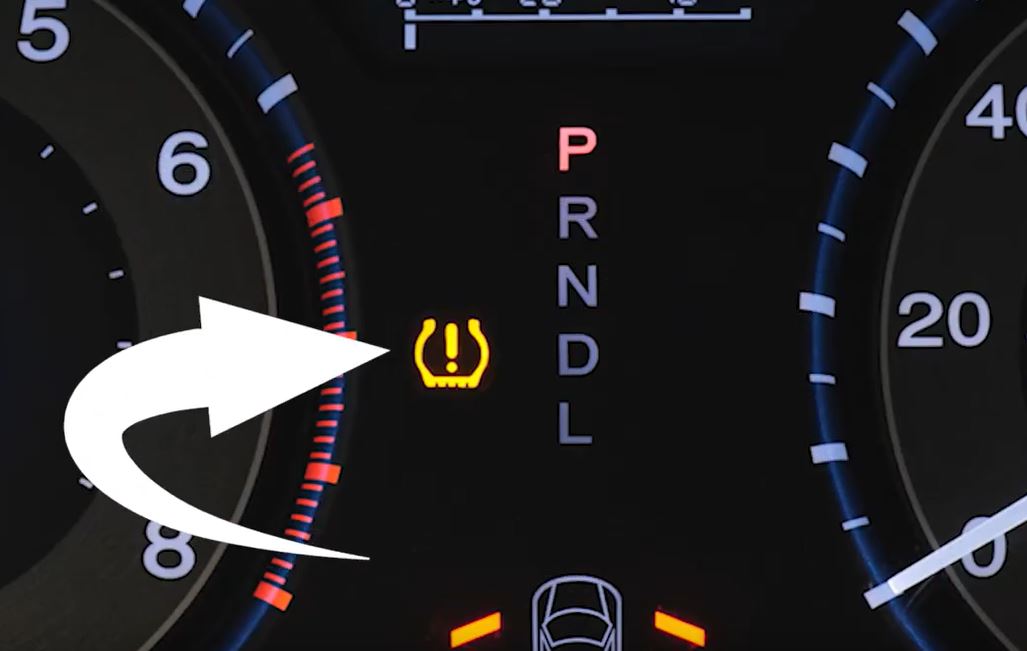
In the realm of vehicular maintenance, the dashboard serves as the nerve center, where myriad indicators convey the health and performance of the vehicle beneath. Among these indicators, the tire pressure monitoring system (TPMS) light stands out as a poignant reminder—a silent guardian whispering crucial information about your tires. When the TPMS light flickers to life, it heralds an important message: “Check your tire pressure!” But what does this cryptic alert truly mean? Here, we unravel the intricacies of the TPMS, exploring its significance, operation, and the implications of neglecting this vital signal.
At its core, the TPMS functions as the sentry of equilibrium, vigilantly monitoring the air pressure within your tires. Within each tire, a delicate balance is required; too little air can lead to a cascade of detrimental effects while too much can be equally perilous. Consider your tires as the foundation of a house, where stability and support must exist in harmony. When the TPMS light illuminates, it is akin to a sudden crack in this foundation—a warning that demands immediate attention.
There are two primary types of TPMS: direct and indirect. Direct TPMS utilizes sensors mounted within each tire, continuously relaying precise pressure readings to the vehicle’s onboard computer. This system delivers timely and accurate information, allowing drivers to know their tire conditions in real-time. Indirect TPMS, on the other hand, takes a more roundabout approach, relying on wheel speed sensors to detect differences in tire rotation. A deflated tire rotates at a different speed than its properly inflated peers, prompting the system to issue a warning. Yet, while it may not offer the same granularity of information, it still serves as an essential watchdog.
As the engine purrs and the road beckons, the unfurling of that ominous TPMS light heralds a call to action. Ignoring it is tantamount to dismissing a heartfelt plea from a friend in need. The underlying message is clear: a tire pressure discrepancy exists, and negligence can lead to a multitude of serious complications. Let’s delve deeper into what these complications include:
- Reduced Fuel Efficiency: When tires are under-inflated, they create more rolling resistance. This phenomenon is akin to walking through thick mud versus gliding on a smooth path. The more resistance your vehicle faces, the more fuel it requires to maintain speed, resulting in diminished fuel efficiency and unnecessary expenditure.
- Compromised Handling: Just as a painter’s canvas must be taut for precise strokes, a vehicle demands properly inflated tires for optimal handling. Low tire pressure can lead to sluggish steering responses and a lack of control on the road. Feelings of uncertainty and discomfort may overwhelm drivers, particularly in adverse weather conditions.
- Increased Tire Wear: Tires are meticulously engineered to endure the rigors of the road. However, driving on improperly inflated tires leads to uneven wear patterns—the tread may wear down prematurely on the sides or in the center. It’s a grim scenario, similar to wearing shoes that don’t fit properly; over time, the damage manifests, warranting frequent replacements.
- Risk of Blowouts: The most alarming consequence of neglecting tire pressure warnings is the heightened risk of blowouts. Imagine a balloon that is inflated beyond its capacity; it is an accident waiting to happen. In the same vein, an over-inflated or under-inflated tire is at greater risk of bursting, a perilous situation for any driver.
Upon noticing that telltale TPMS icon flicker, it is prudent to take immediate action. The initial step is to check the tire pressure with a reliable gauge. Most vehicles have a recommended tire pressure specified in the owner’s manual or on a sticker within the driver’s door jamb. An adjustment—whether adding air or releasing some—should rectify the issue. It’s an indispensable part of preventative maintenance, akin to tending to a garden: consistent care yields bountiful results.
However, if the light persists after addressing the tire pressure, further diagnostics are warranted. A malfunctioning sensor or a system fault could be at play. It’s advisable to consult a trusted mechanic who can delve deeper into the problem. Ignoring a persistent TPMS warning is like ignoring a persistent cough; the underlying issue could flourish into something far more concerning if left unchecked.
In conclusion, the TPMS is more than a mere light on your dashboard—it’s a sentinel ensuring your journey remains safe and efficient. Each flicker and glow carries vital information that directly impacts your driving experience. In the bustling world of automotive technology, embracing the TPMS warning is part of responsible vehicle stewardship. Remember, attending to your tires is not merely about the rubber hitting the road; it’s about ensuring that the entire journey—your travels, your experiences, and your adventures—remain seamless and secure. So, the next time that TPMS warning lights up, take heed and respond with diligence. Your tires—and ultimately, your safety—depend upon it.












