
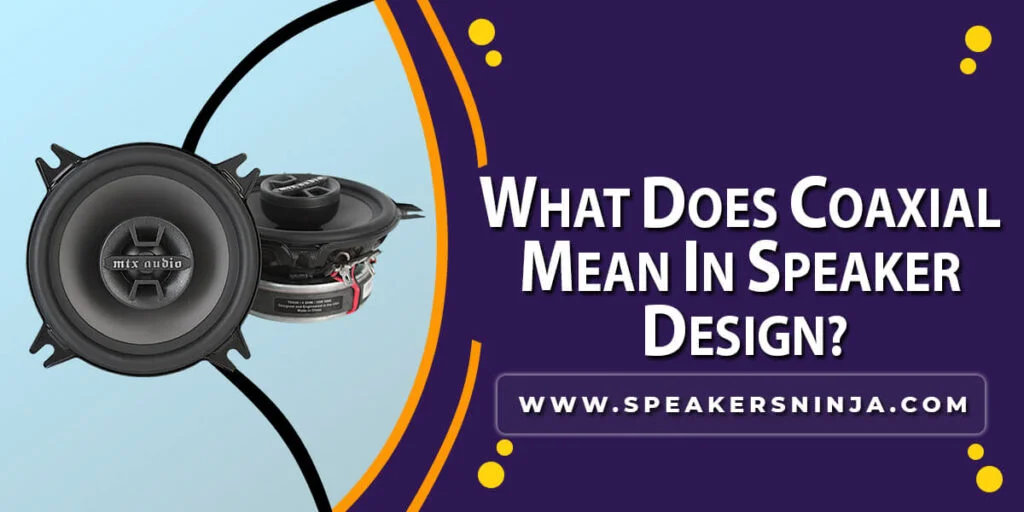
In the realm of audio technology, the term “coaxial” frequently surfaces, particularly in discussions surrounding speaker design. This concept carries profound implications for how sound is delivered, perceived, and enjoyed by listeners. Understanding what coaxial means in speaker design requires delving into the intricacies of sound reproduction and the innovative engineering behind modern speakers.
At its core, a coaxial speaker incorporates multiple sound drivers, typically a woofer and a tweeter, aligned on a single axis. This coaxial configuration allows both drivers to work in unison, effectively enhancing the soundstage while minimizing phase issues that can occur when drivers are positioned separately. As a result, the coaxial design can yield a more coherent sound experience, providing listeners with a richer, fuller auditory tapestry.
1. The Anatomy of Coaxial Speakers
To truly grasp what coaxial means, one must first examine the anatomical features of these speakers. A typical coaxial speaker consists of:
- Woofer: The larger driver responsible for producing lower frequencies. It creates the foundational bass tones that underpin the audio experience.
- Tweeter: A smaller driver dedicated to high-frequency sounds, such as treble notes. The tweeter is crucial in conveying clarity and finesse to the overall sound.
- Shared Axial Alignment: In coaxial designs, both drivers are mounted on the same central axis. This alignment is pivotal as it ensures sound waves emanate from a common point, which in turn enhances spatial coherence and clarity.
2. Advantages of Coaxial Speakers
Coaxial speakers offer several distinctive advantages over traditional speaker formats:
- Compact Design: Coaxial speakers occupy less space because their components share the same arrangement. This makes them ideal for smaller systems or tight installation environments.
- Simplified Installation: The design allows for easier integration into existing setups without the need for extensive adjustments or reconfiguration, thus appealing to both amateur audiophiles and seasoned professionals alike.
- Improved Time Alignment: By aligning the drivers, coaxial speakers reduce phase differences that can color sound and create various auditory anomalies. This results in a more accurate representation of the original audio signal.
- Enhanced Imaging: The coaxial layout improves stereo imaging, providing listeners with a more precise soundstage. This means sounds can appear to originate from various directions, enhancing the realism of the listening experience.
3. Variants of Coaxial Designs
The coaxial speaker design is not monolithic; various iterations adapt to different sound requirements and consumer preferences.
- Two-Way Coaxial Speakers: The most common configuration, featuring both a woofer and a tweeter. These speakers are versatile and can handle a broad range of musical genres.
- Three-Way Coaxial Speakers: This design adds a mid-range driver, allowing for even more nuanced audio reproduction. It is particularly beneficial in home theater setups, where a broader frequency range enhances dialogue and sound effects.
- Component Coaxial Speakers: These systems allow consumers to mix and match various drivers, maintaining the coaxial configuration while tailoring performance to personal preferences.
4. Use Cases for Coaxial Speakers
Coaxial speakers find their applications in myriad environments, each benefiting from the technological advantage these designs provide:
- Home Audio Systems: For small apartments or simple home setups, coaxial speakers are an excellent choice, delivering rich sound without overwhelming the space.
- Automotive Sound Systems: Car manufacturers often integrate coaxial speakers into factory audio systems, ensuring a balanced sound profile within the confines of car interiors.
- Professional Audio Applications: In sound reinforcement situations, such as concerts or public speaking events, coaxial speakers can provide consistent sound coverage across various audience areas.
5. Considerations When Choosing Coaxial Speakers
While coaxial speakers present numerous advantages, potential buyers should consider several factors to ensure they make an informed decision.
- Power Handling: It is essential to check the speaker’s power rating to match it with your amplifier. Underpowering or overpowering can lead to distortion or damage over time.
- Impedance: Coaxial speakers come in various impedance ratings (typically 4, 6, or 8 ohms). Ensure compatibility with your audio system to achieve optimal performance.
- Frequency Response: Pay attention to the frequency response specifications. A wide range suggests better performance in reproducing both low and high frequencies effectively.
- Build Quality: Consider the materials used in the speaker’s construction. Durable components contribute to longevity and sound fidelity.
6. Conclusion
Understanding what coaxial means in speaker design opens a gateway to appreciating how sound can be crafted and delivered. The advantages of coherence, compactness, and enhanced imaging make coaxial speakers a compelling option for any audio aficionado. As technology evolves, these designs continue to adapt, offering innovative solutions to the age-old quest for audio perfection.












