
Imagine a bustling school day, children laughing, pencils scritching against paper, and teachers engaging students with lively discussions. Suddenly, a loud alarm disrupts this harmonious environment. A voice over the intercom announces, “Code Blue!” What does that mean? Are the students and staff prepared for the unexpected? Let us delve into the nuances of what a Code Blue entails in an educational institution and discuss the critical components of this emergency protocol.
Understanding Code Blue
A Code Blue is a designated emergency alert that indicates a medical crisis requiring immediate action, usually associated with a situation where an individual experiences a life-threatening condition. In schools, such emergencies could range from serious injuries, seizures, cardiac arrests, or other severe health complications. The foremost goal is to ensure rapid response, providing students and staff with the reassurance that safety measures are in place.
Why Implement Emergency Protocols?
Emergency protocols, like the Code Blue initiative, are vital for myriad reasons. First, they serve to provide clarity during potentially chaotic situations, allowing staff and students to know exactly how to respond. Second, these protocols can significantly reduce reaction time, which can be the difference between life and death in critical situations. This is a high-stakes area where quick thinking and immediate action are paramount.
Components of Code Blue Protocols
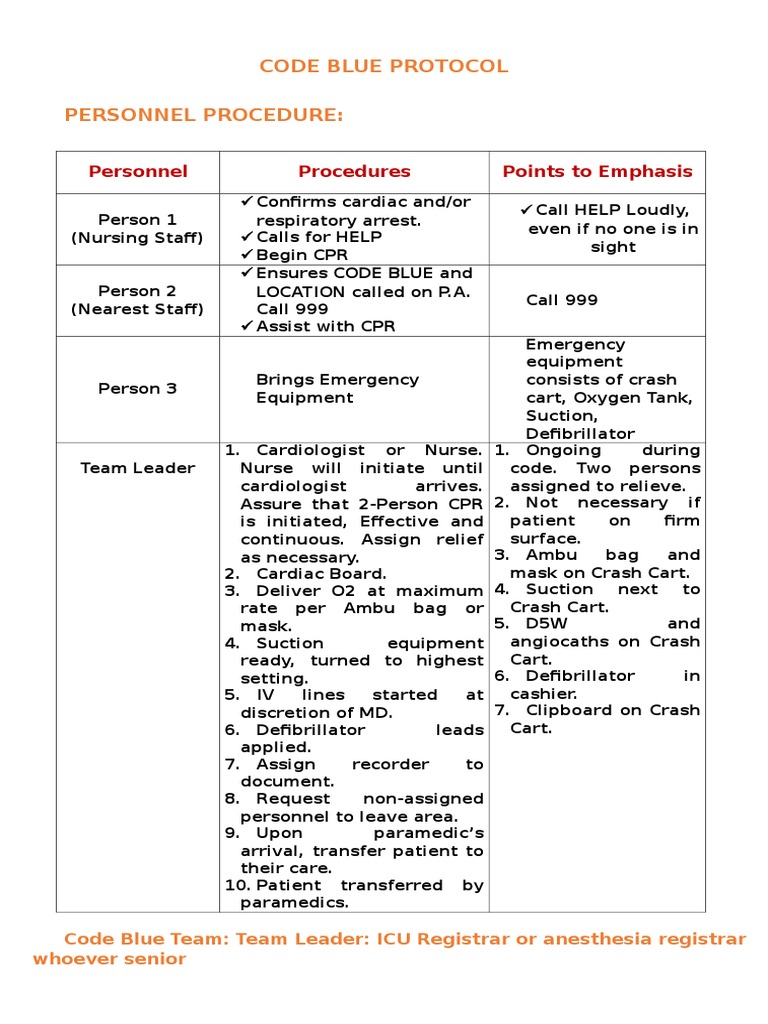
What exactly constitutes a Code Blue protocol? It involves several meticulously coordinated steps that must be understood and practiced by all involved parties. The following points outline the fundamental components:
- Staff Training: All staff members should undergo regular training that includes understanding what constitutes a Code Blue situation, how to respond effectively, and how to use emergency equipment such as Automated External Defibrillators (AEDs).
- Communication Systems: Schools must have an efficient communication system to relay the Code Blue alert swiftly. This could be through intercoms, text alerts, or dedicated call systems that reach staff and trained medical personnel immediately.
- Emergency Protocols: The specific actions to be taken during a Code Blue must be clearly defined. This includes who will call 911, how to clear the area, and the location of emergency medical kits.
- Designated Response Team: A team should be established to handle emergencies effectively. This team typically includes trained staff who can manage the situation until professional medical response arrives.
Involving Students in the Process
Now, you may wonder: Should students be notified or involved in Code Blue protocols? Absolutely! Teaching students about these emergency responses can empower them and diminish panic if a situation arises. Implementation of drills and discussions on how to assist their peers in the event of a medical emergency fosters a sense of community and responsibility.
Communication is Key
Effective communication translates to safety. Schools should have a clear channel for disseminating information when a Code Blue alert is initiated. This can involve notifying students about the nature of the emergency, reassuring them, and instructing them on what actions to take while waiting for help. Every second counts, and established communication protocols ensure everyone is on the same page.
Role of Parents and the Community
The responsibility doesn’t rest solely on the school’s shoulders—parents and the wider community must be educated about Code Blue protocols. Parents should know how to counter and respond to questions their children may have about emergencies. Community resources can also play a critical role by providing training sessions in first aid and CPR, ensuring both parents and children feel equipped to handle emergencies beyond the school’s borders.
Aftermath and Reflection
After a Code Blue situation, whether it ends in successful recovery or a sobering outcome, it is essential to conduct a thorough review and reflection. This entails evaluating the response, identifying strengths and weaknesses, and engaging in discussion with staff, students, and even mental health professionals. Feedback loops help refine protocols, ensuring continual improvement and comprehensive awareness around safety measures.
Conclusion: Preparing for the Unexpected
If schools embrace the mantra of “preparedness is key,” the apprehension surrounding emergencies may diminish. Code Blue protocols are not merely a set of instructions; they embody a school’s commitment to safeguarding its community. While preparation for emergencies might seem daunting, it transforms into an opportunity for empowerment, confidence, and safety. Schools must work collaboratively with staff, students, parents, and the community at large to ensure these protocols become a deep-seated aspect of the educational culture. The question remains: Are you ready for the unexpected? In this ever-changing world, knowing how to respond could one day save a life.












