
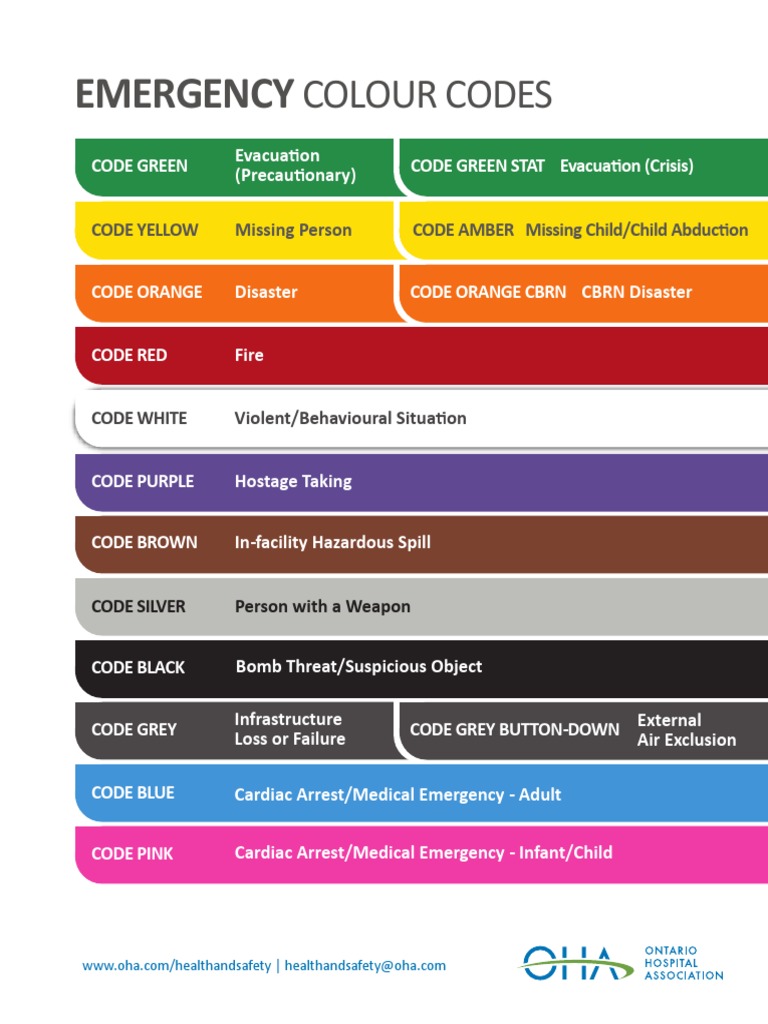
In the labyrinthine corridors of a hospital, where the stark white walls often echo with the sounds of urgency and apprehension, the term “Code Pink” emerges as a crucial signal, akin to a lighthouse guiding ships through turbulent waters. This phrase encapsulates a clandestine language shared among healthcare professionals, denoting the alarming situation in which an infant or child has gone missing, possibly abducted. It is a term that evokes tension, fear, and the unwavering commitment of dedicated staff bringing forth a combined effort to safeguard the most vulnerable among us.
Understanding the significance of Code Pink requires one to navigate through the intricate web of emergency codes used in healthcare settings—each one a unique hue in the broader spectrum painted by the chaos of hospital life. These color-coded alerts serve as shorthand communication, enabling swift and cohesive action among staff while reducing confusion for patients and their families.
As we peel back the layers of the medical lexicon, we find that Code Pink stands not merely as an acronym but as a poignant reminder of a society’s duty to protect its young. Infants and children represent hope, potential, and innocence—qualities that our healthcare systems strive to uphold and nurture. When a Code Pink is called, it is a collective rallying cry, summoning all available hands to safeguard those who are most defenseless.
The initiation of a Code Pink can trigger a series of rapid responses, each choreographed with precision. Healthcare staff, from nurses to security personnel, mobilize in a synchronistic dance of vigilance. The experienced gaze of a pediatric nurse is particularly essential; their familiarity with the bustling environment and the intricate layout of the hospital empowers them to act decisively. Just as experienced sailors can navigate treacherous waters, these professionals understand the nuances of their surroundings and the potential hideaways of a child lost within the expansive healthcare facility.
One might wonder about the roots of such a terminology. The practice of using colors to signify various situations has evolved over the years, originating in military contexts and gradually permeating the medical sphere. Each code imparts a specific meaning, be it a fire, a medical emergency, or the solemn call of a Code Blue—indicating a patient in need of immediate resuscitation. The introduction of Code Pink into this stratified language not only augments its lexicon but also highlights a profound societal reflection; after all, every hue represents human suffering and the urgent need for intervention.
Yet, the implications of instituting a Code Pink extend beyond the immediate, localized emergency. It calls into question broader issues surrounding child safety, father’s roles in safeguarding their kin, and community engagement in vigilance. It reawakens a collective consciousness, suggesting that it takes a village—an encompassing accountability among hospital staff, parents, and even visitors to ensure the well-being of minors. Each Code Pink represents a stitch in the broader fabric of community collaboration aimed at nurturing our future generation.
Statistically, Code Pink activations may vary from one institution to another. Some hospitals experience an influx of alerts, while others may have less frequent instances. This variability can highlight various factors including local crime rates, hospital security protocols, and the socio-economic demographics of an area. For example, facilities located in urban centers may see a higher occurrence of such emergencies compared to rural setups, painting a complex portrait of different healthcare environments.
Coping strategies after a Code Pink is resolved also warrant exploration. The emotional toll on healthcare staff, particularly those directly involved in the resolution of such a crisis, can be profound. After the dust has settled, institutions often facilitate debriefing sessions to process the event collectively. These discussions allow staff to vent frustrations, share feelings of relief, or even address any lingering anxieties. Just as a storm may pass before sunlight pierces through, this practice fosters healing and reinforces resilience within the team.
Moreover, the narrative of Code Pink serves as a vital educational tool. Hospitals commonly engage in educational initiatives aimed at staff and community members alike, avoiding complacency in child safety. These programs often involve simulations, training sessions, and community outreach endeavors—each effortless thread woven into the larger tapestry of awareness. It is paramount that parents and caregivers are also briefed about the signs of potential abductions, instilling a proactive approach to child safety outside of hospital walls.
In conclusion, Code Pink is more than just a term wrapped in an alarming urgency; it is a symbol of vigilance, a call to arms and a stark reflection of societal responsibility. As each hospital invests in training its staff to heed this color-coded alert, they reinforce a communal network dedicated to protecting innocents. The existence of such codes—intrinsically woven into the fabric of healthcare—highlights the relentless pursuit of safety, signaling a commitment to the well-being of the next generation in an ever-complex world.












