
In an increasingly congested urban landscape, the term “compact car parking” emerges as a pivotal concept redefining our approach to space management in metropolitan areas. This notion is not merely about convenience; it signifies a broader shift towards sustainability, efficiency, and innovative utilization of space. Understanding what compact car parking entails, specifically its dimensions and the rules governing its use, can unveil a world of possibilities for both drivers and city planners alike.
Compact car parking essentially refers to designated parking spaces tailored specifically for smaller vehicles. These spaces differ from standard parking spots primarily in their dimensions, offering a more efficient use of limited urban areas. The proliferation of compact cars—vehicles designed to be smaller and more fuel-efficient—has necessitated the establishment of parking zones that accommodate their smaller stature while promoting a symbiotic relationship between vehicle design and urban planning.
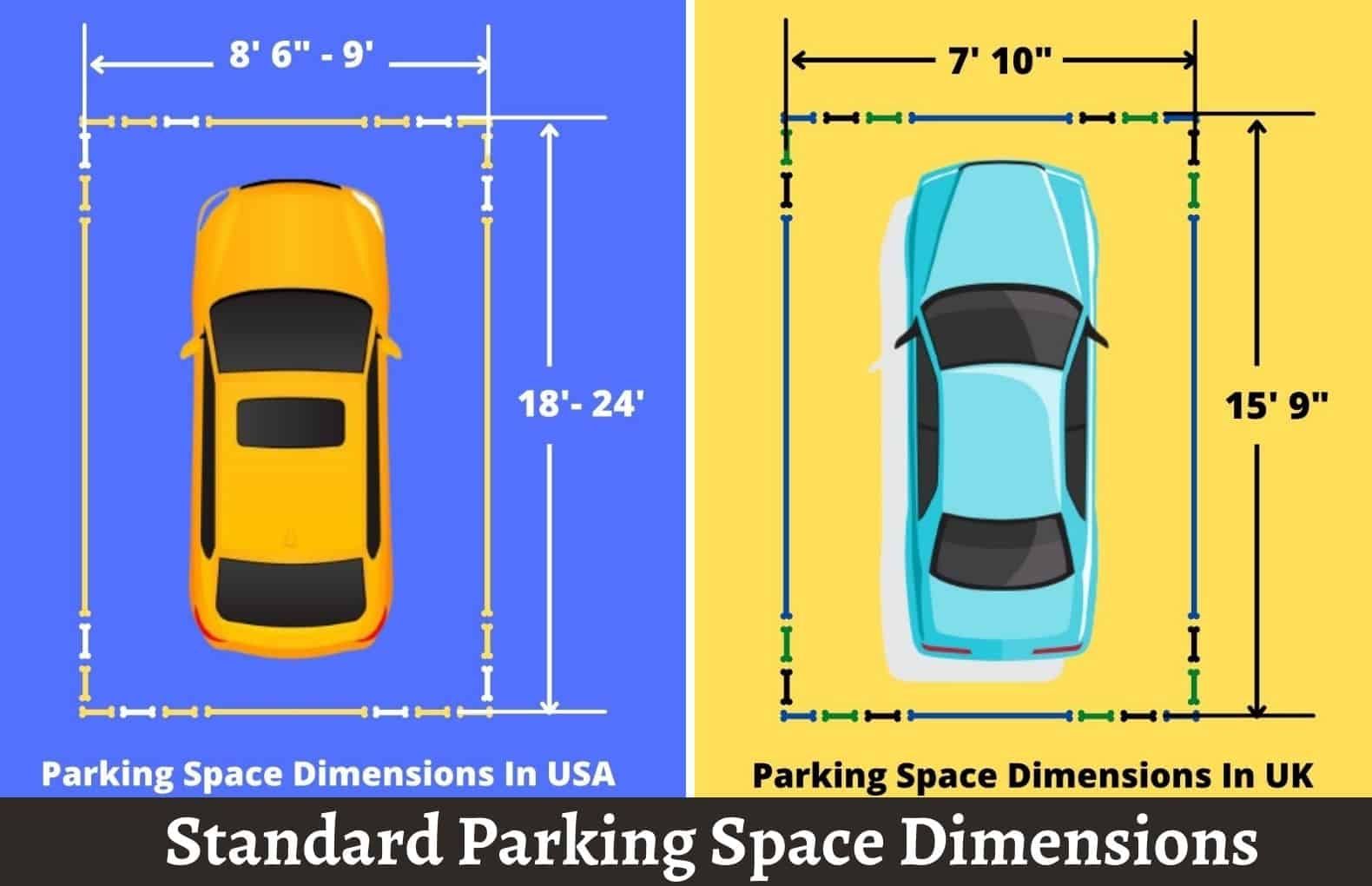
To grasp the concept fully, it is vital to explore the dimensions associated with compact car parking. Generally, a standard parking space measures about 9 feet wide by 18 feet long, providing ample room for larger vehicles, including SUVs and trucks. In contrast, a compact parking space typically measures around 7.5 to 8 feet in width and 15 to 16 feet in length. This subtle yet significant reduction enables cities to allocate more parking spots within the same physical footprint, thereby enhancing the overall availability of parking in densely populated areas.
One might wonder how the implementation of compact car parking affects urban sustainability. The environmental benefits are manifold. By encouraging the use of smaller, more fuel-efficient vehicles, cities not only entice drivers away from larger cars but also contribute to decreased fuel consumption and lower emissions. This transition fosters a reduction in the urban carbon footprint, a crucial endeavor as climate change continues to loom large in public discourse.
Moreover, compact car parking supports the burgeoning trend of carsharing and ridesharing services. By providing more accessible parking options for small vehicles, cities can facilitate a shift towards a sharing economy. Individuals may feel more inclined to carshare when drop-off and pick-up spots are readily available and conveniently located, thus enhancing community interconnectivity and reducing the number of privately owned vehicles on the roads.
Aside from the environmental implications, the design and marking of compact car parking spaces merit consideration. These areas, often visible by distinctive signage and painted markings, serve a dual purpose. First, they function as a guideline for drivers, ensuring that compact car parking is utilized effectively and preventing larger vehicles from encroaching on these reduced spaces. Second, they symbolize progressive urban planning, showcasing a city’s commitment to accommodating the growing compact vehicle market.
While the benefits of compact car parking are evident, adherence to specific size rules and regulations remains paramount for the successful implementation of this system. Local zoning ordinances often dictate the allowable dimensions of parking spaces, ensuring uniformity and compliance with safety protocols. Typically, municipalities will stipulate that compact parking spaces have to be clearly marked, equipped with appropriate signage that conveys their intended purpose. Such regulations not only facilitate a smoother flow of traffic but also prevent disputes regarding parking rights among drivers.
However, drivers must also take personal responsibility while utilizing these spaces. Is it permissible for a larger vehicle to occupy a compact space? Not only is it generally frowned upon, but it could also result in fines or penalties, depending on local enforcement policies. Awareness and respectful use of compact car spaces accentuate the ethos of urban citizenship which promotes community-oriented behavior among residents.
The growing trend towards compact car parking dovetails with broader shifts in consumer preferences. As society increasingly gravitates toward minimalist living and sustainable practices, compact cars rise in popularity for their efficiency and reduced environmental impact. This transformation in consumer behavior reinforces the importance of compact parking – making it not merely a convenience, but a necessity.
Moreover, the integration of technology into parking solutions paves the way for a more sophisticated approach to compact car parking. Smart parking apps and advanced sensor technology now allow drivers to locate available compact spaces in real-time. This technological interplay not only enhances user experience but also reduces time spent circling in search of a parking spot, ultimately contributing to smoother traffic flow and reduced emissions.
As the landscape of urban vehicle ownership continues to evolve, compact car parking emerges as a vital component. It invites a reevaluation of our relationship with vehicles, our navigational habits, and our overarching approach to urban living. Cities that implement compact parking solutions not only demonstrate an innovative understanding of space utilization but also position themselves as community-centric hubs that advocate for smarter, more sustainable lifestyles.
In conclusion, the realms of compact car parking and urban planning exist in an intricate dance, influenced by societal trends, environmental considerations, and technological advancements. Understanding the implications of compact car parking—its dimensions, regulations, and societal impact—grants us a refreshing perspective on how we perceive and navigate our shared urban spaces. As cities adapt and evolve, embracing the compact mindset is not merely a trend; it’s a journey towards a more efficient, eco-friendly future—one parking space at a time.












