
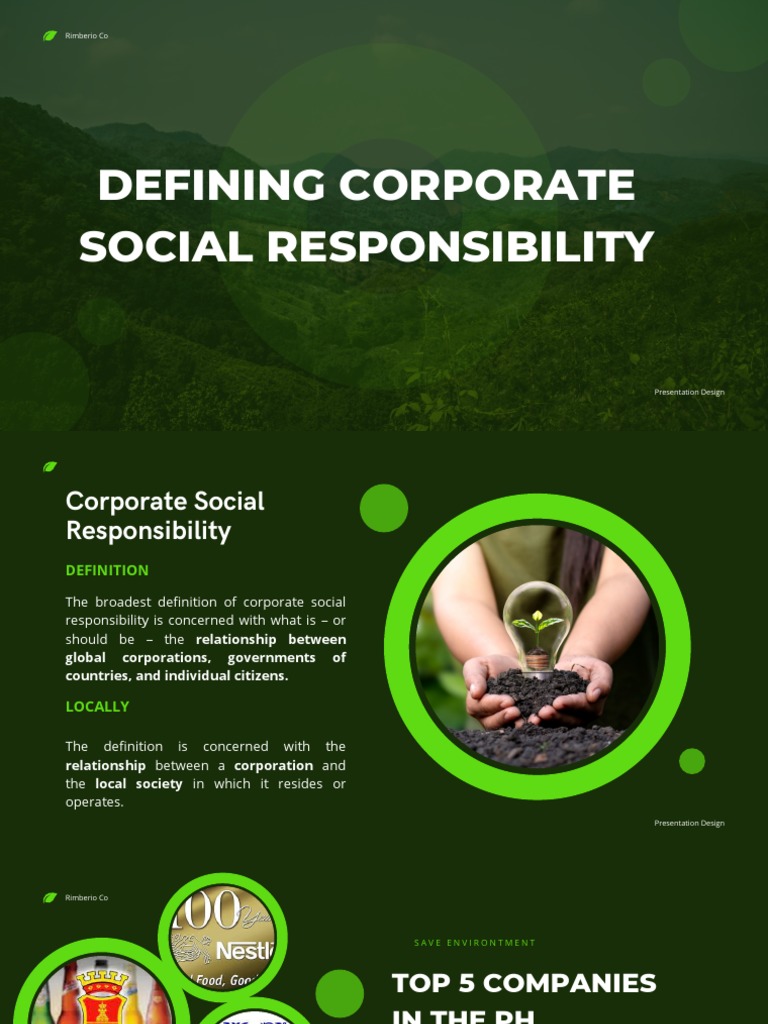
In today’s economic landscape, the concept of Corporate Social Investment (CSI) emerges as both a vital tenet of modern business ethics and a potential battleground for companies navigating a more socially conscious world. Have you ever pondered how a company balances profit motives with ethical responsibilities? This question encapsulates the essence of Corporate Social Investment and its multifaceted implications for businesses. This article delves deep into the nature ofCSI, unfurling its complexities and uncovering the significant role it plays in shaping not just corporate practices but societal outcomes.
Understanding Corporate Social Investment
Corporate Social Investment refers to the deliberate efforts by businesses to invest in social and environmental initiatives that benefit communities, groups, and ecosystems. Unlike mere compliance with regulations or philanthropic donations, CSI embodies a concrete commitment to creating sustainable positive change. This concept urges firms to rethink their interactions with society at large and encourages them to take proactive steps in addressing pressing societal challenges.
The Distinction Between Corporate Social Responsibility and Corporate Social Investment
While often used interchangeably, Corporate Social Responsibility (CSR) and Corporate Social Investment possess distinct characteristics. CSR encompasses a broad range of practices where corporations incorporate ethical considerations into their business models. Meanwhile, CSI hones in specifically on financial investments made to foster social or environmental good. It’s about monetary commitment—an investment aimed at yield that transcends mere financial returns.
For example, if a corporation establishes a foundation to support education in underprivileged areas, the financial resources funneled into this initiative represent CSI. This leads to a pivotal inquiry: can businesses genuinely reap rewards through selfless investment in their communities, or is this merely a façade to enhance their corporate image?
The Business Imperative of CSI
How does a robust Corporate Social Investment strategy translate into business efficacy? First and foremost, companies engaging in meaningful CSI initiatives often witness enhanced reputation and brand loyalty. Today’s consumers are increasingly inquisitive about the ethical practices of the companies from which they purchase goods and services. Brands that resonate with social values often garner a loyal customer base, thereby creating reliable revenue streams.
Moreover, actively investing in social initiatives often catalyzes employee engagement and retention. Workers tend to gravitate towards organizations that reflect their personal values. As companies allocate resources to CSI, they cultivate an environment where employees feel their work contributes to a greater purpose. The confluence of purpose-driven work and employee satisfaction can considerably elevate productivity.
Key Elements of Effective Corporate Social Investment
To ensure the effectiveness of Corporate Social Investment, several key elements must be accounted for:
- Alignment with Business Objectives: Any CSI initiative must resonate with core business goals. This alignment ensures that investments do not feel like mere obligations but rather integral facets of the corporate mission.
- Community Engagement: Understanding the needs and challenges of the communities being served is essential. Engaging directly with local stakeholders allows for a more tailored approach to devising programs and initiatives.
- Measurable Outcomes: Defining clear metrics for success is paramount. Companies ought to establish transparent indicators to assess the impacts of their investments. This enables organizations to report on their contributions effectively and compellingly.
- Long-Term Commitment: Successful Corporate Social Investment transcends fleeting or one-time contributions. A sustained approach—evolving in response to changing societal needs—demonstrates genuine commitment.
The Challenges of Implementing Corporate Social Investment
Despite its myriad potential benefits, implementing effective CSI presents several challenges. One significant hurdle is the potential for “mission drift,” wherein companies might shift focus from strategic corporate goals in pursuit of social investment. Establishing a balance between profit and purpose is delicate; diverting too much attention to CSI could jeopardize financial health.
Furthermore, measuring the success of CSI programs can pose a daunting challenge. Quantifying social impact often relies on qualitative data, as some benefits, such as improved community sentiments, are difficult to measure in traditional financial terms. Companies must develop innovative ways to assess both quantitative and qualitative outcomes.
Examples of Corporate Social Investment in Action
Leading businesses across various sectors exemplify how effective Corporate Social Investment can manifest:
- Patagonia: This outdoor apparel company has committed itself to environmental sustainability, investing heavily in conservation projects while integrating eco-friendly practices into its supply chain.
- Microsoft: Fostering a more inclusive digital world, Microsoft invests in technology access programs for underserved communities, ensuring equitable participation in the digital economy.
- Unilever: The multinational consumer goods company engages in robust health initiatives, particularly in developing nations, aiming to improve hygiene and sanitation through targeted investments.
The Future of Corporate Social Investment
As societal expectations continue to evolve, so too will the practice of Corporate Social Investment. The landscape is shifting towards integrated social and financial reporting, enabling stakeholders to see a clear connection between a company’s investments in social good and its overall health. Embracing transparency, innovation, and collaboration will be imperative as businesses strive to align their operations with the expectations of conscientious consumers and investors alike.
In conclusion, navigating the terrain of Corporate Social Investment entails both challenges and opportunities. Companies that commit wholeheartedly to this strategy stand to redefine their narratives and contribute substantively to societal wellbeing while simultaneously enhancing their market position. Ultimately, the question remains: how will your organization respond to the call for greater responsibility? The power to enact change lies at the fingertips of those brave enough to invest not only in profits but in a better tomorrow.












