
Culling chickens is a term that may spark curiosity and concern alike. For many, it evokes images of farmers making difficult decisions about their flocks. But what does culling really entail, and why is this practice considered a necessary component of poultry farming? As the cycle of life unfolds within the boundaries of a farm, the practice of culling plays a pivotal role in maintaining the overall health and productivity of a flock. So, let’s dive into the intricate world of chicken culling and uncover its significance in farming practices.
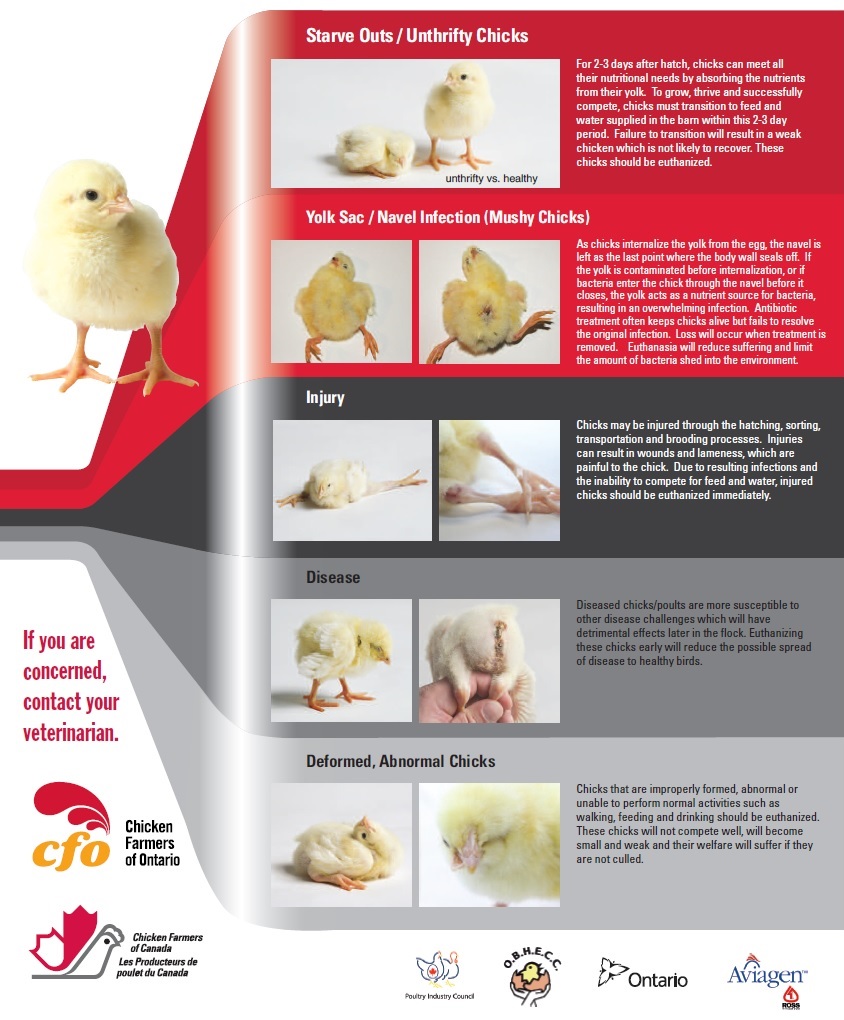
First and foremost, let’s define culling. Broadly speaking, culling refers to the selective removal of certain animals from a flock. This decision is often made based on various criteria related to health, productivity, or breeding potential. For instance, chickens that exhibit illness, poor growth rates, or reproductive issues may be subject to culling. But is this process as straightforward as it sounds?
To understand culling better, we must explore the intricate factors that influence such decisions. Livestock farmers grapple with balancing economic viability and ethical practices. The challenge lies in determining when to cull and which chickens to remove. Farmers often ask themselves: “Is it more beneficial to maintain a subpar bird in hopes of recovery, or is it wiser to cull and protect the overall health of the flock?” This quandary encapsulates the heart of culling practices.
One of the primary reasons farmers engage in culling is disease management. Chickens are susceptible to various infectious diseases, including avian influenza and Newcastle disease. These illnesses can spread rapidly through a flock, posing a considerable threat not only to the afflicted birds but also to the economic stability of the farm. Early detection and subsequent culling of infected individuals can mitigate the risk of widespread outbreaks. Here, proactive measures become a farmer’s best ally.
Furthermore, culling is vital in enhancing the genetic quality of the flock. Through selective removal, farmers can maintain a robust lineage. By identifying and culling individuals with undesirable traits or genetic disorders, poultry producers can ensure a healthier and more productive flock in future generations. The delicate balance of biodiversity within the flock is vital for long-term sustainability.
Interestingly, not all culling is reactive. Some farmers implement proactive culling strategies as part of their management practices. This involves regularly assessing each bird’s performance and culling those that do not meet established production standards. By doing so, farmers can optimize their flocks for egg-laying or meat production, depending on their specific goals. However, this creates yet another layer of complexity: the balance between productivity and animal welfare.
As we delve deeper into the ethical considerations surrounding culling, it becomes apparent that farmers often face moral dilemmas. While they aim to maximize productivity, it is essential to ensure humane treatment of animals. Animals reared for food should live healthy and fulfilling lives. Consequently, responsible farmers develop strategies that prioritize welfare while also considering economic constraints.
The decision-making process involved in culling is also colored by market demand. The industry is heavily influenced by consumer preferences—some consumers prioritize free-range and organic practices, while others focus on cost. Thus, farmers must remain agile, adapting their culling practices to align with market trends while staying true to their values. This dance between ethics, economics, and consumer demand epitomizes the complexities of modern poultry farming.
Interestingly enough, culling does not solely occur due to health or performance concerns. Aging chickens may also find themselves on the chopping block. In commercial operations, the productive lifespan of layers (egg-producing hens) is often shorter than that of their backyard counterparts. After around 72 weeks of production, layers tend to slow down, prompting farmers to replace them with younger, more efficient birds. This practice, often referred to as “depredecessing,” illustrates the unvariating cycle of life within a farm.
What happens to the culled chickens? Generally, they do not go to waste. Many farmers enlist the help of specialized processing firms or render the carcasses to create products like animal feed, fertilizer, or biofuel. By utilizing all parts of the culled chickens, farmers strive for sustainable practices, minimizing the environmental footprint of their operations.
As technology continues to evolve, poultry farming practices—including culling—are being transformed. Automation and artificial intelligence are increasingly being used to monitor chicken health and productivity. Smart sensors can collect data on bird behavior and well-being, allowing for more informed culling decisions. This advancement not only supports ethical farming practices but also enhances overall flock management.
While culling may seem harsh on the surface, it emerges as a multifaceted aspect of poultry farming that warrants thoughtful consideration. The overarching goal is to strike a balance—a harmonious alignment of health, productivity, and ethical considerations. Thus, the next time you ponder the intricacies of culling chickens, remember that it represents a pivotal, albeit challenging, element of contemporary farming.
Ultimately, culling is not just a matter of reducing numbers; it plays a crucial role in fostering healthy and high-performing flocks. Farmers navigate a nuanced landscape, constantly weighing the needs of their birds, the demands of the market, and the principles of ethical farming. Through this lens, the practice of culling can be seen not merely as an isolated event, but rather as a vital component of a much larger narrative that underscores the art of agriculture.












