
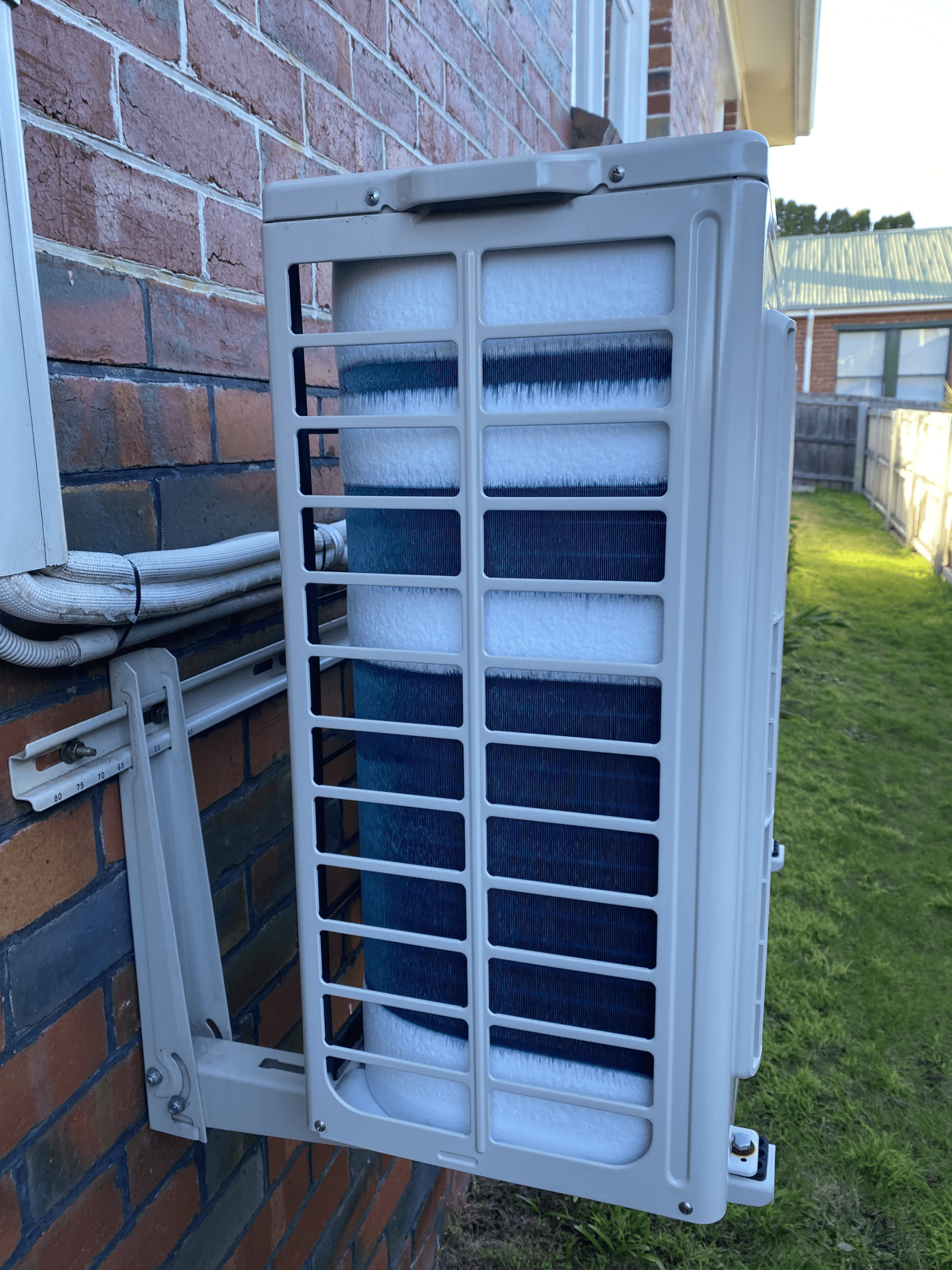
In the world of mini-split systems, the acronym “DF” typically stands for Defrost Mode. This seemingly simple function plays a crucial role in maintaining the efficiency and longevity of heat pumps, especially in colder climates. Understanding what DF means and its implications can significantly enhance your perspective on how mini-split systems operate, especially during the winter months.
As the temperatures plummet, many homeowners inadvertently overlook the importance of their heat pump’s defrost cycle. This absence of awareness can lead to inefficiencies, increased energy consumption, and even damage to the unit itself. So, let us venture into this fascinating realm of microclimates and thermodynamics, unraveling the intricacies of defrost mode and its vital function within a mini-split system.
1. The Basics of Heat Pumps
Before diving into Defrost Mode, it’s essential to recognize how heat pumps function. These ingenious devices are not merely heaters—they are capable of both heating and cooling spaces by transferring heat. During winter, they extract heat from the outside air, even in frigid conditions, and transfer it indoors. However, this process can lead to the formation of frost or ice on the outdoor coil, thereby hampering airflow and efficiency.
2. The Need for Defrost Mode
Condensation is inevitable as warm air meets the cold exterior coil. This moisture can freeze when temperatures drop, resulting in a buildup of frost. When this layer of ice accumulates, it becomes increasingly challenging for the heat pump to absorb heat efficiently. Defrost Mode comes into play as a critical preventive measure. By cycling through this mode at strategic intervals, the system actively melts the frost, maintaining operational efficacy and preventing any costly damage.
3. How Does Defrost Mode Work?
When a mini-split system enters Defrost Mode, it temporarily reverses the refrigeration cycle. Instead of extracting heat from the outside air, the system injects warm refrigerant into the outdoor coil. This action raises the temperature of the coil, causing the ice to melt. Furthermore, a fan operates intermittently to help disperse the melted water away from the coil, ensuring it does not refreeze. The duration and frequency of defrost cycles are determined by the specific unit’s design and ambient weather conditions.
4. Indicators of Defrost Mode Activation
As a user, recognizing when your mini-split system has entered Defrost Mode is crucial. The unit may emit a subtle change in sound as the reversing valve engages and changes the flow of refrigerant. Additionally, the outdoor fan may temporarily shut off while the defrost process takes place. Understanding these indicators can help demystify any unexpected changes in your system’s operation and reassure you that it is actively maintaining its efficiency.
5. Benefits of Defrost Mode
The benefits of utilizing Defrost Mode extend beyond mere ice melting. By ensuring that the outdoor coil remains frost-free, the system operates more efficiently, reducing energy consumption and saving on utility bills. Additionally, systems that implement effective defrost cycles can achieve better temperature control within interior spaces, leading to increased comfort during winter months. Furthermore, this mode contributes to the overall longevity of your heat pump. By minimizing stress on the components during peak operational times, you can extend the life of your unit and enjoy continuous performance for years to come.
6. Potential Issues with Defrost Mode
While Defrost Mode is essential for optimal performance, there are potential issues to be aware of. If the defrost cycle is activated excessively, it can lead to diminished heating performance and excessive energy use. This could indicate a malfunctioning temperature sensor or an improperly set thermostat. Additionally, if you notice that ice continues to form rapidly after the unit has completed its defrost cycle, this may require professional inspection. An understanding of these nuances will empower you to make informed decisions when managing your heating system.
7. Conclusion: Embracing the DF Feature
In conclusion, the DF function in a mini-split heat pump represents far more than simply an acronym; it embodies a sophisticated response to the challenges posed by winter weather. Defrost Mode ensures that the unit continues to perform its vital role, allowing for efficient heat transfer even in subzero temperatures. By educating oneself on this key aspect, homeowners can not only appreciate the complexities of their heating systems but also promote their longevity and functionality. So, the next time you glance at your mini-split unit, remember that its “DF” feature is not just a mechanism; it is a testament to engineered brilliance designed to keep your space warm and comfortable all winter long.












