
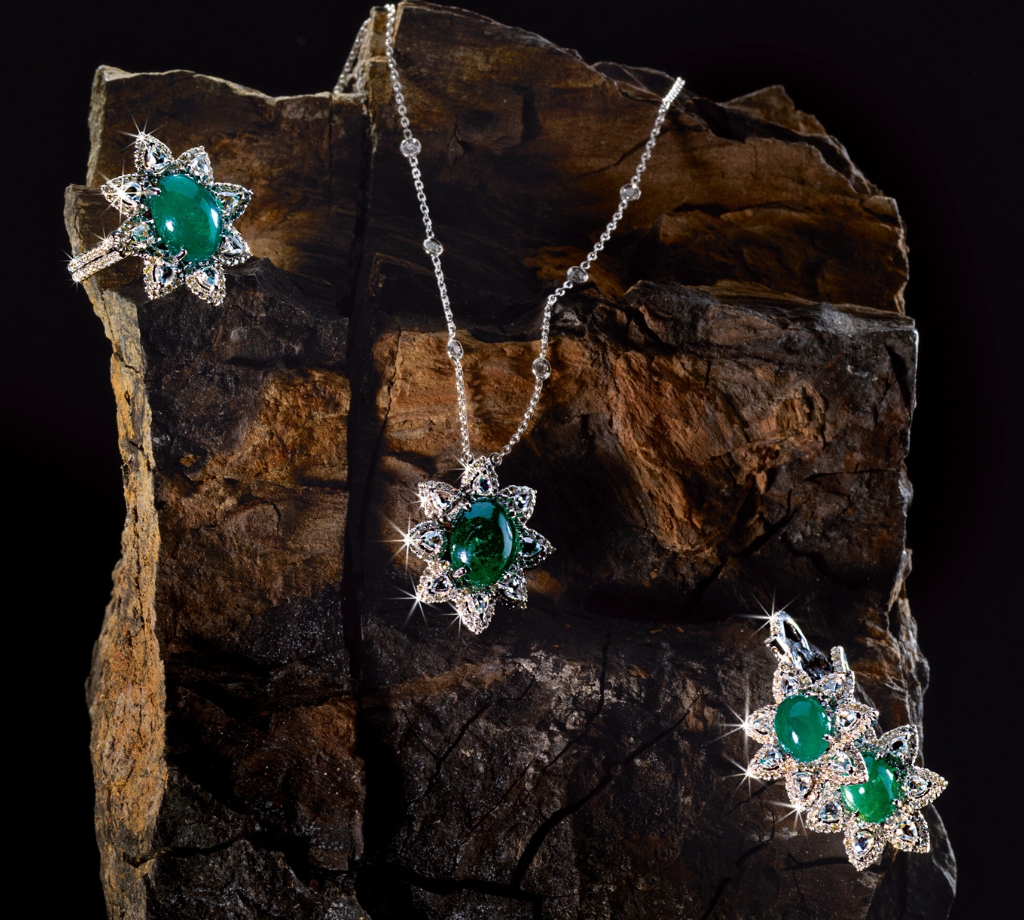
When it comes to jewelry, particularly in the realm of engagement rings and fine accessories, terminology can often feel as intricate as the pieces themselves. Have you ever found yourself wondering, “What does a diamond accent really mean?” If so, you’re not alone. Understanding the nuances of diamond accents and their role in jewelry design can seem daunting. Yet, fear not! This guide will demystify this term and explore its significance, variations, and the nuances that can either dazzle the eye or leave a buyer befuddled.
To embark on our exploration, let’s first define what “diamond accent” actually refers to. A diamond accent is typically a smaller diamond that complements a larger gemstone in a piece of jewelry. Think of it as a supporting character in a movie: it enhances the main feature without overshadowing it. This strategic use of accents can transform a straightforward design into an extraordinary masterpiece, adding depth and dimension to the overall aesthetic.
Why do jewelers use diamond accents? The reasons are plentiful. Primarily, accents often serve to elevate the brilliance of larger diamonds. By twinkling in relation to a center stone, they create a captivating interplay of light that can make the overall piece appear more vibrant. Additionally, these smaller diamonds can also provide a more affordable alternative for consumers who may desire a lavish look without the associated hefty price tag. It’s a challenge of balance – how to achieve opulence without exorbitant expense.
When it comes to the types of diamond accents, there are various forms you might encounter. The most common are referred to as “melee” diamonds—typically small, round stones that often range in size from 0.01 to 0.20 carats. Their size allows for a versatility in placement and design, making them ideal for use in styles such as pave or halo settings. These settings involve a multitude of small diamonds placed closely together, resembling a glimmering surface of starlight.
Another term you may encounter in the context of diamond accents is “accent stones.” These do not always need to be diamonds; in fact, a variety of gemstones may serve this purpose. For instance, colored sapphires or accented emeralds can infuse unexpected flair into a traditional design, granting an individuality that diamonds alone may not impart. Such choices offer the wearer an opportunity to showcase personal style—an evolution of the jewelry narrative itself.
So, how do you choose pieces that utilize diamond accents strategically? Here’s where the potential challenge lies: balancing aesthetic appeal with your specific desires. Here are some considerations:
- Know Your Style: Whether you lean towards classic elegance or contemporary chic, understanding your personal style will inform your jewelry choices.
- Identifying Quality: Not all diamond accents are created equal. Pay close attention to the cut, clarity, color, and carat weight (the famed “Four Cs”) of accent stones to ensure that they complement rather than detract from your main stone.
- Setting Matters: The way diamond accents are set can affect their brilliance. Ensure you choose a setting that maximizes their reflective qualities, as this will buoy the entire piece.
A potential dilemma arises when one considers that while more diamond accents can amplify the sparkle and grandeur of a jewelry piece, they can also create visual clutter if not designed thoughtfully. Therefore, whether selecting a ring or a necklace, aim for harmony. A well-designed accent should enhance, not overwhelm. While this can be a subjective pursuit, many jewelers advise allowing your primary stone to dictate the surrounding accents—after all, it is the star of the show.
Moreover, be mindful of the setting style in which the diamond accents are embedded. As previously mentioned, designs like pave or halo promise to maximize brilliance. However, settings such as channel settings provide a more subtle flair, as the accents lie flush against the band, allowing the design to remain sleek and modern. Each style communicates something different, so consider what message you wish to convey with your jewelry choice.
Moreover, the placement of diamond accents can vary significantly depending on the piece. In rings, accents often accompany the center stone on either side, creating a flow that draws the eye towards it. In necklaces, accents may frame a central pendant or drip from a delicate chain, while earrings may feature accents in a manner that provides balance. This consideration of placement is crucial in achieving a cohesive design.
Lastly, it’s essential to consider how diamond accents can represent more than just aesthetic flair; they may also hold sentimental value. Think about a piece that features your birthstone as an accent to a diamond engagement ring. Not only do you bring a personal touch into the design, but such combinations can symbolize deeper meanings—unity, love, and commitment—all elements that resonate with jewelry’s true essence.
In conclusion, understanding what “diamond accent” means expands far beyond a mere definition—it encompasses a world of design possibilities, personal significance, and visual elegance. Whether you’re navigating this vast landscape for an engagement ring, a special occasion, or simply a delightful addition to your collection, embracing the complexities of diamond accents will surely illuminate your jewelry journey. As you ponder your own preferences, may your choices sparkle as brightly as the accents themselves!












