
When you visit your dentist, you may be surprised by the array of abbreviations and titles that adorn their business cards and office walls. Among these, “DMD” emerges as a prominent title. But what exactly does DMD mean in the realm of dentistry? As we delve deeper, let’s explore the intricacies of dental degrees, including the challenges practitioners face, and the distinctions that define their expertise.
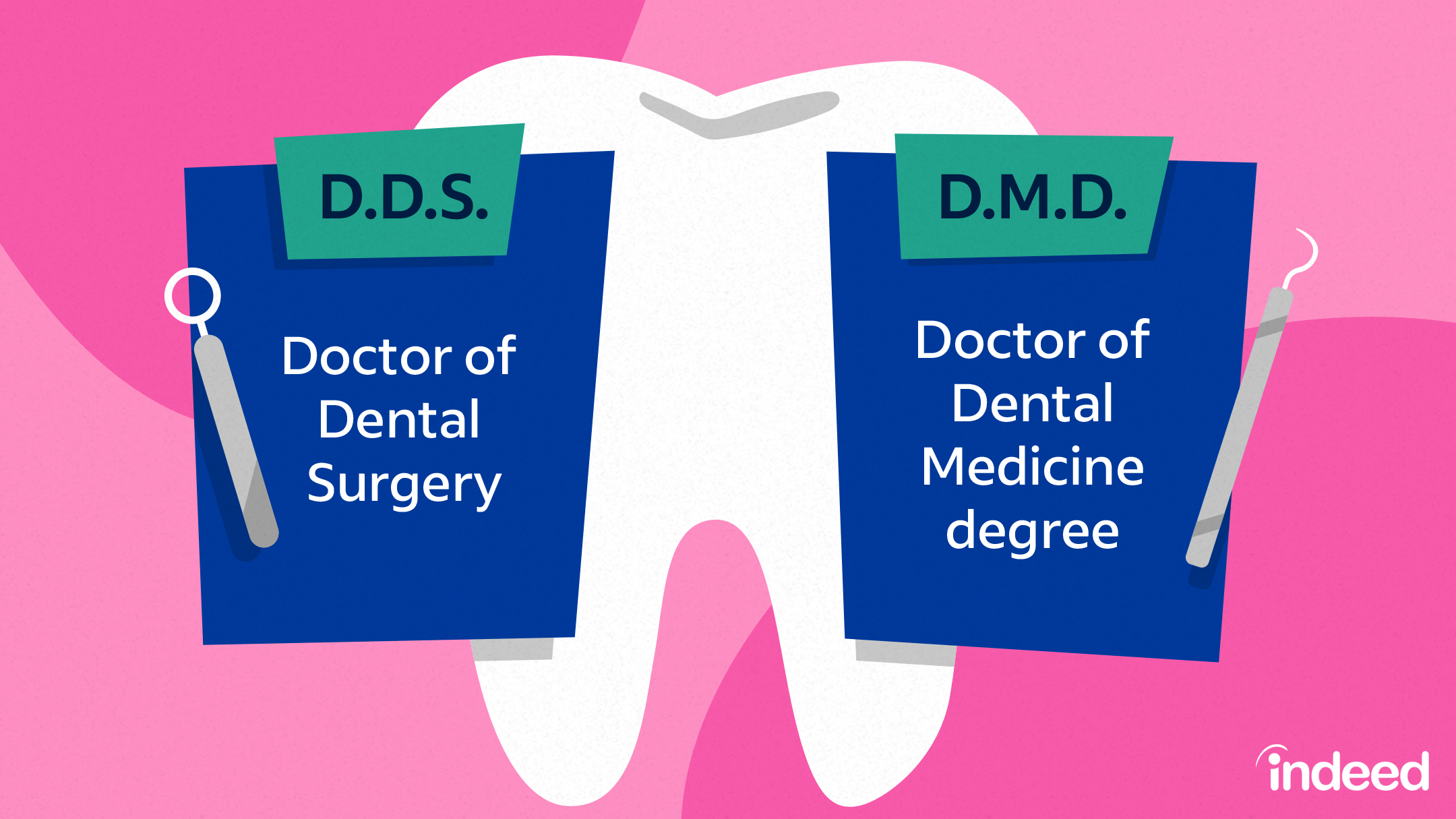
The acronym DMD stands for “Doctor of Medicine in Dentistry.” This degree signifies that the holder has undergone rigorous training and education, preparing them to provide comprehensive dental care. While both DMD and DDS (Doctor of Dental Surgery) are awarded to dental professionals, there exists a profound difference in the nomenclature, though not necessarily in the educational curriculum or the competencies acquired.
So, what’s the puzzle? Why do some dental schools award a DMD degree while others bestow a DDS? This seemingly trivial distinction harks back to historical roots and educational philosophies. The DMD degree was first developed by Harvard University in the late 19th century and emphasizes a medical approach to dental education. Conversely, the DDS degree has trailed its existence since the 1840s, reflecting a more surgical inclination. Despite this divergence in titles, graduates from both programs are fully qualified to practice dentistry and perform identical procedures.
The educational journey to become either a DMD or DDS is arduous and multifaceted. It typically begins with an undergraduate degree, followed by a rigorous four years in dental school. The initial two years often focus on foundational medical sciences, including anatomy, physiology, and pathology, paired with hands-on clinical practice. The latter years hone skills in diagnostic techniques, treatment planning, and patient management, ensuring that future dentists are well-rounded practitioners.
Yet, is obtaining a degree the finish line? Not quite. Graduates must also pass various licensure examinations to practice legally. The National Board Dental Examination (NBDE) tests the foundational knowledge of dental students, while clinical licensure examinations evaluate practical skills. This multi-layered validation is crucial; it ensures only qualified individuals provide care to the public. But this extensive training prompts a question: What happens when dental professionals step into real-world scenarios?
As in any profession, the transition from academic success to real-world practice can present its own set of challenges. One of the most pressing issues in dentistry today is staying up to date with advancements in technology and treatment methodologies. With innovations such as digital imaging, laser dentistry, and tele-dentistry revolutionizing the field, practitioners must engage in lifelong learning to ensure they provide the best care possible.
Furthermore, the emotional aspect of practicing dentistry cannot be overlooked. Dentists often face stressors, including the pressure to manage patient expectations, handle regulatory changes, and deliver high-quality care within the constraints of insurance policies. The delicate balance between maintaining a successful practice and ensuring patient satisfaction can be a daunting endeavor. So, what tools do dentists have to navigate this challenging landscape?
Continuing education is paramount. Dentists with DMD and DDS degrees are required to complete a certain number of continuing education credits to maintain their licenses. These opportunities allow them to expand their knowledge base, refine their skills, and network with peers. Workshops, conferences, and online courses are just a few avenues that aspiring and seasoned dental professionals pursue. Yet, with time being a precious commodity, many dentists find it increasingly difficult to allocate hours towards these educational endeavors.
This leads us to a pertinent question: Is it time to reimagine the educational frameworks and support systems within dentistry? As the field evolves, so too must the approaches to training and continuing education. Collaborative learning environments where practitioners can share insights and experiences could foster a more resilient and adaptable dental community.
Now, let’s examine the implications of these degrees. The titles “DMD” and “DDS” might seem innocuous, yet they carry weight in shaping patient perceptions. Some patients may gravitate towards a DDS because of the title’s historical significance, while others may perceive a DMD as a more progressive choice. This perspective shift could influence a dentist’s practice growth and the trust they build with their patients.
Moreover, the narrative surrounding dental degrees extends beyond mere titles and influences broader societal understandings of dental health. With dental diseases on the rise, the need for effective dental education and advocacy has never been more pressing. DMDs and DDSs not only serve individual patients but also play pivotal roles in community outreach, fostering awareness about the importance of preventative care, and addressing oral health disparities.
In conclusion, understanding the significance of the DMD degree in dentistry unveils a labyrinth of educational, professional, and societal components. As practitioners navigate the complexities of their roles, the evolutionary nature of dental education must adapt to meet the multifarious needs of society. The DMD and DDS titles, though reflective of distinct legacies, converge on a singular mission: to enhance and maintain oral health. The answer to the overarching question lies not just in the letters themselves but in the dedication and resilience of the professionals they represent.












