
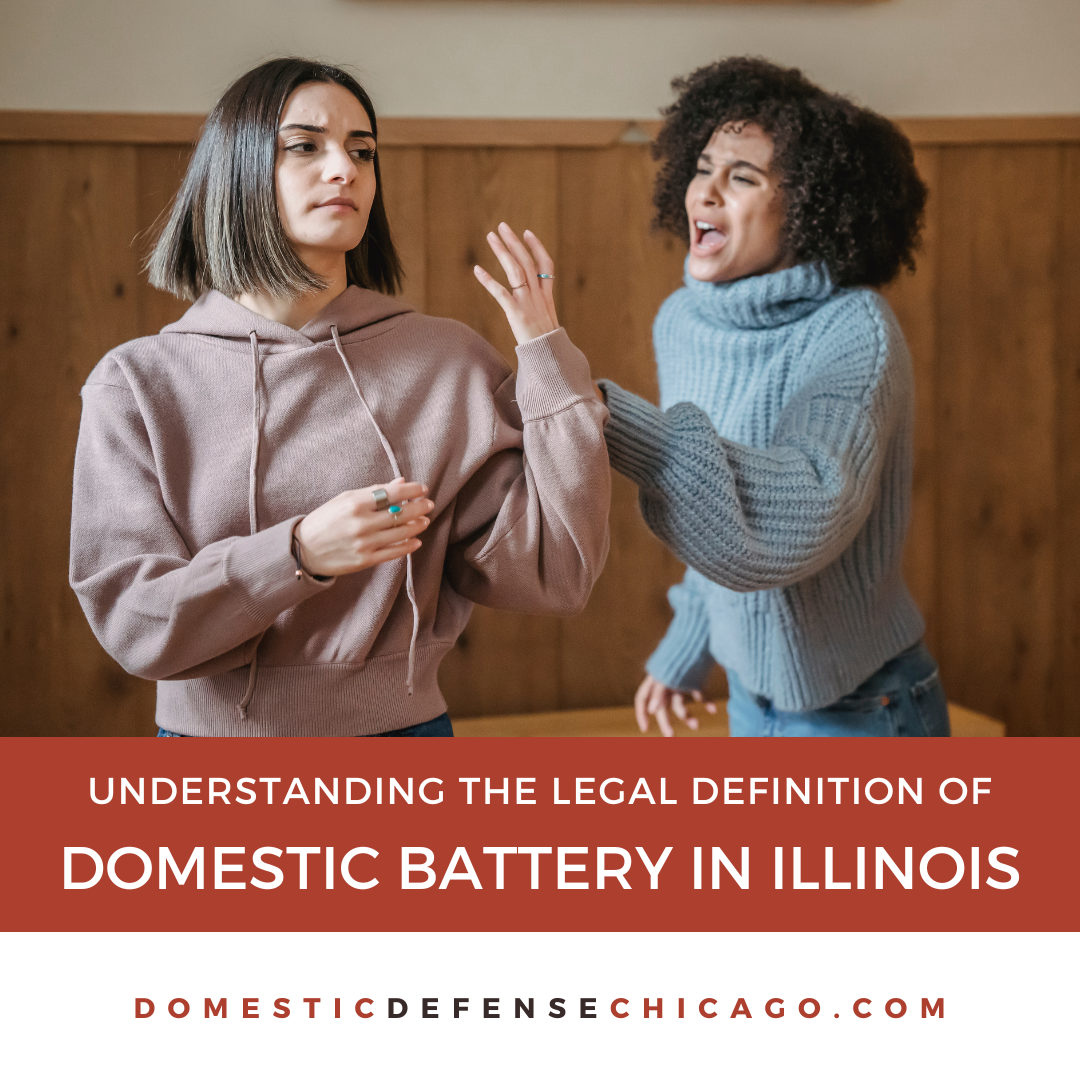
Domestic battery is a term that evokes a myriad of emotions and reactions. It is a serious criminal offense that affects individuals, families, and entire communities. Understanding the legal definition of domestic battery is crucial for anyone seeking clarity in the realm of domestic violence and its legal implications. This comprehensive exploration will delve into the intricacies of domestic battery, elucidating its meaning, legal definitions, and the different types that exist within this grave category of offenses.
Understanding Domestic Battery
At its core, domestic battery refers to the intentional or reckless infliction of bodily harm upon another individual who shares a domestic relationship with the perpetrator. Such relationships may encompass spouses, partners, siblings, parents, and even roommates. The physical assault can manifest in various forms, including but not limited to hitting, slapping, or any other contact that causes injury or pain.
In contrast to a simple assault, which may only involve the threat of harm without physical contact, domestic battery expressly requires that a physical act occurs, marking the profound distinction between these two legal terms. Furthermore, domestic battery is distinguished by its context—occurring within the confines of a familial or intimate relationship, thereby imposing a greater emotional impact and societal concern.
The Legal Definition in Illinois
Under Illinois law, domestic battery is codified in the Illinois Criminal Code. The legal definition encompasses not just physical harm but also the offensive touching of another individual. Importantly, it can occur irrespective of whether injury was inflicted or not. The critical factor lies in the nature of the contact and the relationship between the involved parties.
Types of Domestic Relationship
Differentiating the type of domestic relationship is essential in establishing a case of domestic battery. Some common relationships that fall under this category include:
- Spousal Relationships: This encompasses legally married couples or partners in a civil union.
- Dating Relationships: Partners in a romantic relationship, whether casual or serious.
- Family Relationships: Blood relatives, step-relatives, and foster relationships can all constitute a domestic setting, including parents, children, and siblings.
- Roommate Relationships: Individuals living in the same household, regardless of their familial ties.
Each of these relationships carries a unique legal significance, as the nature and dynamics of domestic interactions can influence a court’s ruling in cases of domestic battery.
The Elements of Domestic Battery
For a charge of domestic battery to stand legally, certain elements must be satisfied:
- Intent: The alleged offender must have intended to commit the act or acted recklessly. This implies that negligence alone is insufficient for a charge—there must be a clear intention to inflict harm.
- Physical Contact: The act must involve some form of physical contact that is considered offensive or harmful. The definition of “contact” can be surprisingly broad, including instances where the victim may not have suffered severe physical injury.
- Domestic Relationship: The victim and the accused must share a specified domestic relationship, solidifying the context in which the battery occurred.
Punishments and Consequences
Penalties for domestic battery can be severe. In Illinois, it is typically classified as a Class A misdemeanor, punishable by up to one year in jail and/or fines. However, several aggravating factors can escalate the severity of the charges. For instance, if the defendant has previous convictions for domestic battery, the charge may elevate to a felony. Additionally, the nature of the injury inflicted, whether any weapon was used, or if children were present during the act can all factor into the sentencing.
Beyond the immediate legal ramifications, victims of domestic battery may also encounter long-lasting emotional and psychological effects. These impacts can ripple outwards, affecting family dynamics, personal well-being, and overall societal health.
Protection Orders and Legal Recourse
In cases where domestic battery is reported, victims may seek various forms of legal protection, such as restraining orders. These orders can prohibit the abuser from contacting or approaching the victim. The legal system aims to safeguard those in dangerous domestic situations, providing a path for victims to escape abusive environments.
The Role of Support Services
It is crucial for individuals involved in domestic battery incidents—whether victims or offenders—to seek professional guidance. Several support services specialize in domestic violence, providing counseling and advocacy for victims, as well as rehabilitation programs for offenders. These services are essential to fostering healing and rebuilding lives.
Conclusion
Domestic battery represents a complex intertwining of legal definitions, emotional undercurrents, and societal implications. Understanding its meaning is the first step in navigating the complexities of domestic violence. For victims and offenders alike, the road to recovery and justice can be arduous, but it is essential for fostering a safer, healthier society. Awareness, education, and legal support play pivotal roles in tackling this pervasive issue, ultimately leading to the empowerment of individuals and the transformation of communities.












