
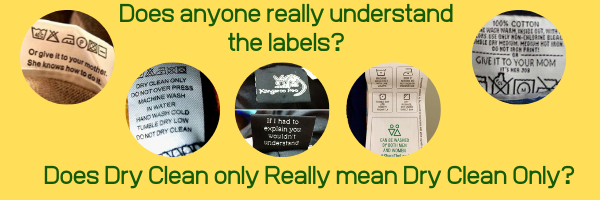
When it comes to fabric care, deciphering the laundry symbols on clothing can be as perplexing as solving a cryptic puzzle. One of the most frequently encountered labels is “Dry Clean Only.” This phrase evokes a variety of responses—curiosity, confusion, or even outright concern—especially for those who may not fully grasp its implications. In this exploration, we will unravel the intricacies of what “Dry Clean Only” truly means, the significance of professional cleaning, and the myriad of fabrics that fall under this category.
Understanding the Label: What Does “Dry Clean Only” Signify?
The “Dry Clean Only” label is a clarion call to take a particular garment to the dry cleaners, as traditional laundering methods may compromise its integrity. The designation indicates that water and standard detergents could potentially lead to undesirable outcomes, such as shrinkage, distortion, or fading of the fabric. It serves as a critical advisory, especially in an age when many consumers are keen to toss garments into their washing machines without regard for fabric specifics.
The Science Behind Dry Cleaning
While the term might suggest a lack of moisture, dry cleaning employs a solvent—commonly perchloroethylene or hydrocarbon—to remove stains and soil without saturating the fabric. This process is meticulously engineered to preserve the original form and aesthetic of delicate materials. Through a series of rigorous cycles, the garments are agitated, cleaned, and then dried, all under controlled conditions, enhancing both safety and efficacy.
Common Fabrics That Require Dry Cleaning
Fabrics designated as “Dry Clean Only” are typically those that necessitate special care due to their composition or treatment. Here are some of the most common materials:
- Silk: This luxurious fabric, often used in evening wear and high-end blouses, can lose its luster and strength if subjected to water. Dry cleaning helps maintain its sheen and structure.
- Wool: A staple in winter garments, wool’s natural fibers can become misshapen and lose their insulating properties when washed improperly, making dry cleaning essential for maintenance.
- Cashmere: The epitome of softness and warmth, cashmere requires expert care to avoid pilling and maintaining its plushness, rendering dry cleaning a wise choice.
- Rayon: Often used as a silk substitute, rayon can be particularly sensitive to water, making it more susceptible to shrinking and distorting.
- Acetate: Common in formal attire and linings, acetate can lose its shape and finish when laundered, necessitating dry cleaning to preserve its structure.
Benefits of Dry Cleaning
Aside from safeguarding delicate fabrics, dry cleaning provides several advantages:
- Deep Cleaning: The solvents used can penetrate fabric fibers more deeply than water-based detergents, allowing for superior stain removal.
- Stain Resistance: Dry cleaning treatments can often enhance the fabric’s resistance to future stains, extending the life of the garment.
- Reduced Shrinkage: Unlike water, dry cleaning minimizes the risk of shrinkage and distortion, ensuring the fit remains as intended.
Common Misconceptions About Dry Cleaning
Despite its many advantages, a number of misconceptions about dry cleaning persist:
- It Is Always Necessary: Not every garment tagged as “Dry Clean Only” mandates professional services. Some of these items may be gently hand-washable with careful techniques, though caution is warranted.
- Dry Cleaning Is Only for Suits: While many associate dry cleaning with formal attire, everyday materials—such as blouses and trousers—often require the same level of care.
- It Is Costly: While prices can vary, the longevity and fabric care provided through professional cleaning can often offset the initial expense.
How to Care for “Dry Clean Only” Garments
When faced with a “Dry Clean Only” label, there are still steps you can take to preserve the life of your garments between professional cleanings:
- Spot Cleaning: Address stains immediately with mild soap and a damp cloth, being careful to test any solution on a discreet area first.
- Store Properly: Use breathable garment bags and padded hangers to maintain shape. Avoid overstuffing your closet, as this can lead to creasing.
- Rotate Usage: Giving items a break between wears helps to minimize wear and tear, allowing fibers to recover.
Conclusion: The Importance of Adhering to Care Labels
Understanding the significance of a “Dry Clean Only” label is essential for maintaining the longevity and aesthetics of your cherished garments. This designation is not merely a suggestion; it is a crucial guideline for preserving fabric integrity, particularly in an era where clothes are often viewed as disposable. By recognizing the value of dry cleaning, consumers can make informed decisions, ensuring that their clothing not only looks fabulous but also stands the test of time. With this knowledge, you can approach your wardrobe with newfound care and appreciation for the intricate relationship between fabric and maintenance.












