
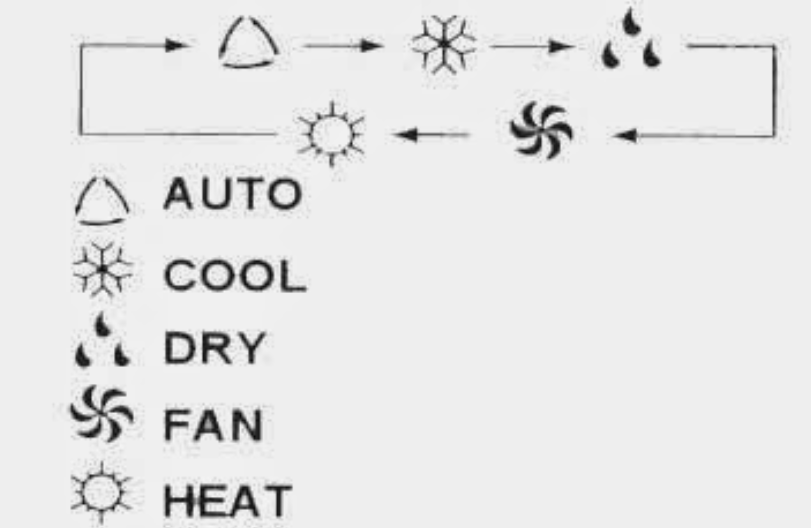
When it comes to air conditioning systems, understanding the various modes available is crucial for optimizing comfort and efficiency in your home or workspace. Among these modes, the “Dry” setting often raises questions and sparks curiosity. What does this mode truly signify, and how can it affect both your indoor climate and the performance of your air conditioning unit? Let’s delve deep into the realm of air conditioning modes, focusing particularly on the enigmatic “Dry” function.
### The Essence of AC Modes
Air conditioners are equipped with several operational modes, each designed to achieve specific temperature or humidity levels. Common modes include Cool, Heat, Fan, and Dry. While most individuals are familiar with Cool mode, which actively cools the space, the Dry mode can be somewhat shrouded in mystery. Its primary function is to reduce indoor humidity, making it distinct from the cooling aspect that many homeowners prioritize. But how does this mode work, and when should it be utilized?
### Understanding Dry Mode
In essence, the Dry mode operates by extracting moisture from the air while maintaining a comfortable temperature. Unlike the Cool mode, which employs a constant cycle of cooling, Dry mode intermittently activates the compressor to minimize humidity levels. During this process, the air conditioner functions at a lower capacity, consuming less energy compared to full cooling operations. The result? A subtler, more soothing environment that can feel refreshingly comfortable even without extensive cooling.
### The Mechanism Behind Dry Mode
The operation of Dry mode hinges on the principle of condensation. Warm, humid air is drawn into the air conditioning unit, where it passes over the cold evaporator coils. As the warm air encounters the cooler surface of the coils, moisture condenses and collects as water, subsequently draining away. This process not only lowers humidity but can also result in a slight drop in temperature. It’s essential to note, however, that this temperature change is not as pronounced as in Cool mode.
### When to Use Dry Mode
Using Dry mode is particularly advantageous during hot and humid days when the discomfort from humidity can be overwhelming. Imagine returning home on a sweltering summer afternoon, feeling drenched by the muggy atmosphere. Opting for Dry mode allows you to alleviate that oppressive stickiness, creating a more pleasant indoor environment. Moreover, it is an ideal choice for regions with naturally high humidity levels.
Beyond comfort, using Dry mode can also contribute to energy efficiency. By reducing reliance on the more energy-intensive Cool mode, you may notice a decrease in your energy bills, particularly during the humid months. This can translate to significant savings over time, enhancing both your wallet and environmental footprint.
### Benefits of Dry Mode
- Improved Comfort: Reducing humidity can make the ambient temperature feel cooler. This improved comfort can lead to a more productive and enjoyable indoor experience.
- Energy Efficiency: With lower power consumption compared to the Cool mode, Dry mode can help conserve energy and reduce your monthly utility bills.
- Prevention of Mold Growth: Excess moisture can lead to mold and mildew, which not only damages property but can also affect health. By maintaining optimal humidity levels, Dry mode can mitigate these risks.
- Preservation of Home Materials: High humidity can warp wooden furniture, peel paint, and cause damage to various residential materials. Utilizing Dry mode contributes to the long-term preservation of your property.
### Dry Mode vs. Cool Mode: A Comparative Analysis
While both Dry and Cool modes serve to enhance your comfort, they function quite differently. Cool mode aggressively lowers the temperature while drying the air, making it ideal for extreme heat. In contrast, Dry mode emphasizes humidity control with a gentler approach to cooling. This nuanced distinction can empower users to make informed decisions based on specific climate conditions and personal preferences.
For those wondering about efficacy, many air conditioning units are designed to use Dry mode effectively even in moderate temperature conditions, provided the humidity is high. Before selecting a mode, assess your environmental conditions — if you’re merely battling humidity and not sweltering heat, Dry mode could be the answer.
### Considerations and Precautions
Despite its advantages, Dry mode is not without limitations. For instance, in situations where the temperature is excessively high along with elevated humidity, relying solely on this mode may lead to discomfort. Additionally, prolonged use of Dry mode can result in reduced airflow and potential strain on the unit’s mechanical components. It’s advisable to alternate between settings as conditions change.
Another important consideration is the condition of your air conditioning unit. Regular maintenance is vital to ensure optimal performance across all modes, including Dry. A well-functioning air conditioner will undoubtedly provide you with the best results in humidity control and energy efficiency.
### Conclusion: Unlocking the Secrets of Dry Mode
In conclusion, the Dry mode on your air conditioning unit is more than just a button on a remote control; it’s a vital feature designed to enhance your indoor comfort and air quality. By understanding its capabilities and applying them judiciously, you can transform the way you experience your indoor environment. Embrace the mysteries of air conditioning modes, and you may find that a simple shift in method offers significant improvements in comfort, health, and energy savings.












