
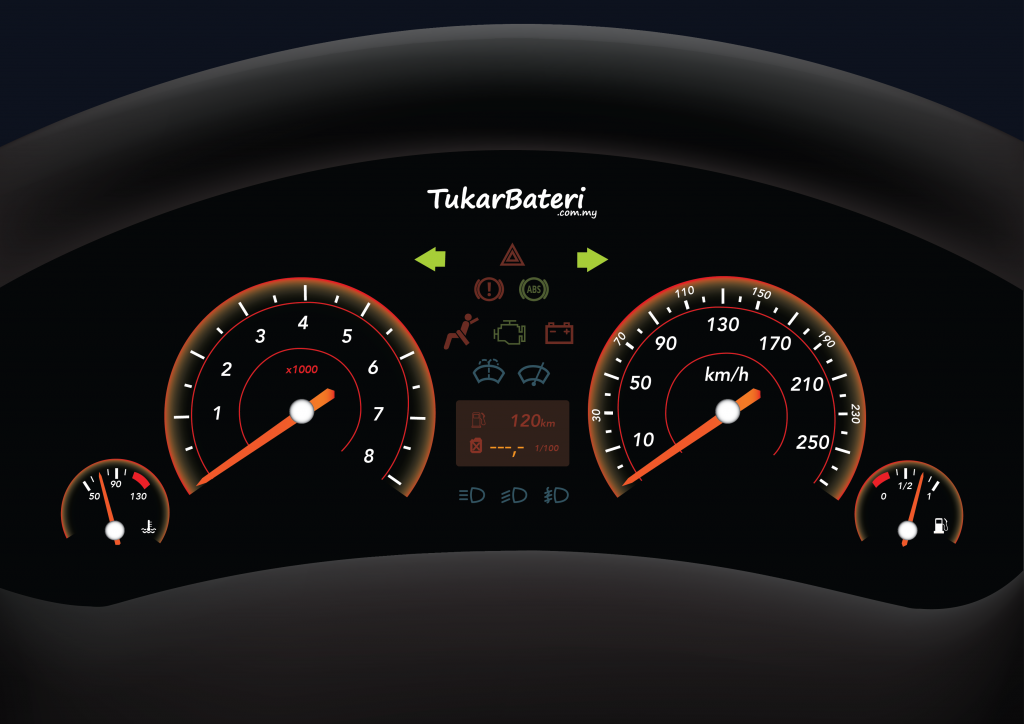
The world of automobiles is laden with perplexing acronyms and symbols, often leaving drivers bewildered at what they signify. One such term frequently encountered on car dashboards is “DS.” Delving into this abbreviation reveals fascinating insights that go beyond mere letters, reshaping the driver’s perspective on the nuances of their vehicle’s operation. What does “DS” mean? This article embarks on a deep exploration of the term, shedding light on its implications in both dashboard indicators and specific automobile models.
Understanding the Dashboard Symbols
As the gateway to essential information concerning vehicle health, instrument panels are critical for maintaining safety and performance. When examining the dashboard, the DS symbol primarily refers to “Drive Select” or “Dynamic Select” in many modern vehicles. This feature typically allows drivers to choose from a range of driving modes, tailored to personal preferences or driving conditions.
In vehicles outfitted with advanced technology, the Drive Select system might offer options such as Comfort, Sport, Eco, and Individual modes. The embellishment of these driving styles ensures that drivers can navigate through diverse environments—from the serene open road to the dynamic hustle of urban traffic—while optimizing performance and fuel efficiency.
Dynamic Driving Modes Explained
1. Comfort Mode: The Comfort mode is a sanctuary for those who favor a smoother, more relaxed driving experience. Here, the suspension system adapts to absorb road imperfections, making it an ideal choice for long journeys or when driving on uneven terrain.
2. Sport Mode: For enthusiasts craving exhilaration, Sport mode enhances throttle response, sharpens steering feedback, and optimizes engine performance. This setting unleashes the vehicle’s potential, allowing for grocery runs to transition into spirited zips down winding roads.
3. Eco Mode: In an age driven by sustainability, Eco mode has emerged as a beacon for environmentally-conscious drivers. It recalibrates various systems to maximize fuel efficiency, often reducing acceleration and minimizing energy consumption. This mode not only contributes to a green footprint but also sweetens the deal at the gas pump.
4. Individual Mode: Enhancing personalization, Individual mode lets drivers create a customized setup that suits their unique driving styles. Whether preferring a firmer suspension or a more responsive throttle, this mode encapsulates the essence of driver-centric innovation.
Understanding these driving modes and their functionalities transforms the relationship between the driver and their vehicle, embedding a deeper appreciation for the engineering that facilitates tailored driving experiences.
The Significance of the DS Indicator
The presence of the DS indicator on your dashboard is not merely a whimsical aesthetic choice; it serves as a vital guide to driving mode engagement. When illuminated, it signifies your vehicle’s transition into a specified driving mode, ensuring that you are well-informed about the operating parameters engaged at any given moment. This transparency enables drivers to make judicious choices that align with the driving environment, effectively enhancing performance without compromising safety.
Moreover, an illuminated DS symbol serves as a reminder that not all driving scenarios are created equal. As conditions ebb and flow—be it inclement weather, rugged terrain, or busy urban landscapes—embracing the right driving mode becomes essential for maximizing efficiency and control.
Exploring DS in Specific Models
1. Audi: In Audi vehicles, the Drive Select feature is synonymous with the brand’s commitment to dynamic performance. Here, it encompasses a plethora of system adjustments, such as suspension rigidity, steering weight, and even throttle response, creating a harmonious driving experience.
2. Mercedes-Benz: Mercedes models introduce the “Dynamic Select” system. More than merely switching gears, it encompasses various conduits, significantly enhancing driving characteristics while harmonizing luxury with sportiness.
3. BMW: Known for its focus on performance, BMW integrates the DS feature within its driving experience control. Here, the options are crafted to accentuate the thrill of driving while providing adaptive comfort during those mundane commutes.
4. Volkswagen: Volkswagen’s implementation of Drive Select is no less remarkable. In instances when driver experience is paramount, the term emphasizes a seamless fusion between comfort and performance.
Implications for Drivers
Additionally, with the rise of hybrid and electric vehicles, the DS system often dovetails with regenerative braking systems and other efficiency-oriented technologies, ushering in a new paradigm where environmental awareness meets driving pleasure.
Conclusion: A New Perspective on Driving
The acronym “DS,” far from being a simple collection of letters, emerges as a gateway to understanding the intricate dance of technology and driver experience. Embracing the nuances of settings like Drive Select or Dynamic Select enriches the driving narrative, inviting a profound appreciation for the engineering marvels that define modern automobiles.
As the dashboard illuminates, revealing the DS symbol, it’s more than a reminder of one’s driving mode. It serves as a clarion call for drivers to explore the road ahead with a fresh perspective—an invitation to experience the ethereal connection between man, machine, and the marvel of motion. So, the next time the DS indicator lights up your dashboard, consider it a prompt to experiment, explore, and embrace the journey ahead.












