
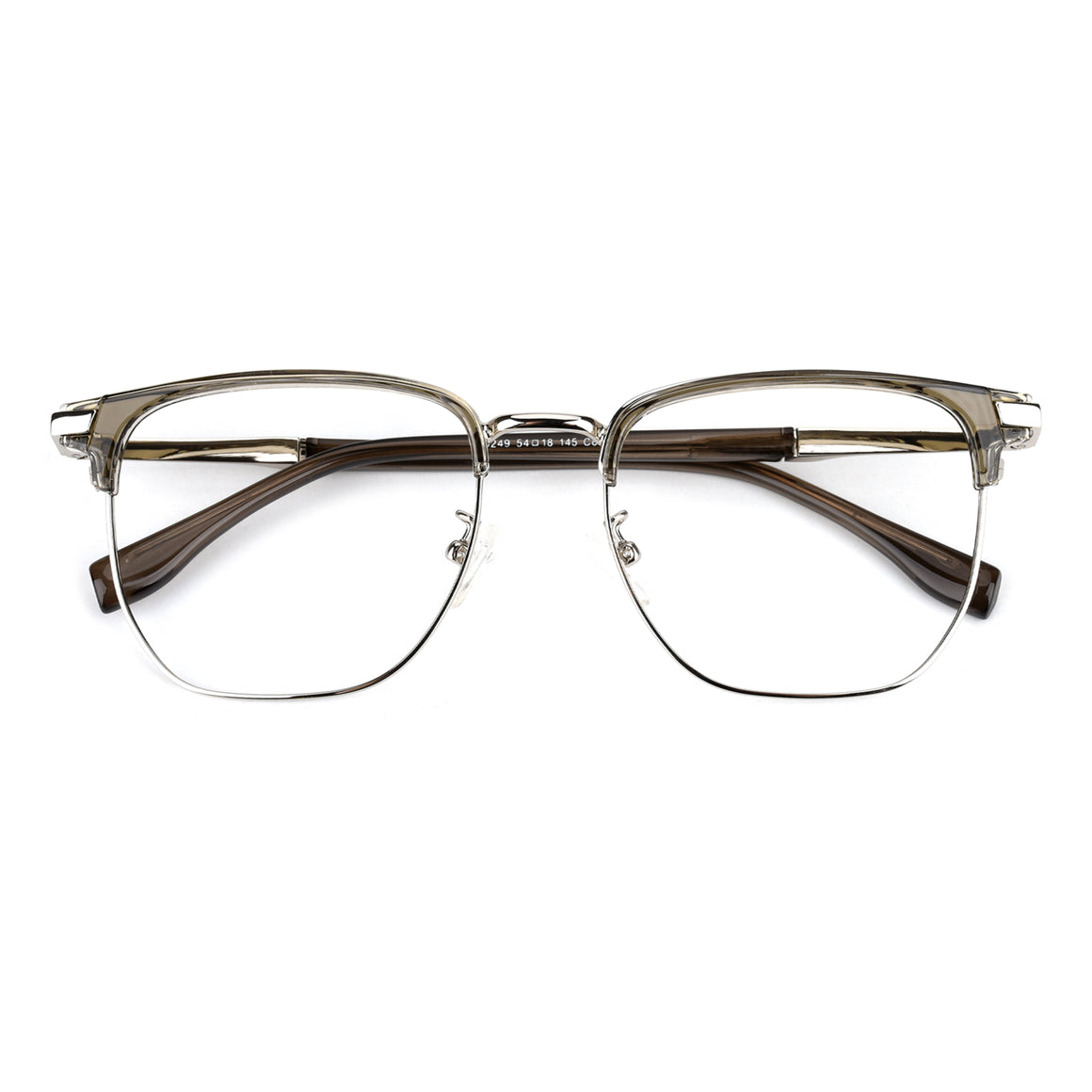
When it comes to deciphering the complexities of eye prescriptions, many patients find themselves perplexed by various abbreviations and terms that are not commonly used in daily discourse. Among these cryptic annotations, “DS” emerges as an intriguing designation. It stands for “diopters sphere” and indicates crucial information about an individual’s refractive error. Understanding this term is pivotal for anyone encountering their first eye prescription, as it opens a gateway to comprehending how vision correction is quantified and tailored to individual needs.
To delve deeper into the significance of “DS,” let us first explore the fundamentals of refraction and vision. In a simplified sense, our eyes function much like smart cameras: they have lenses that focus light onto the retina, thereby enabling us to perceive the world around us. However, just like cameras, our eyes sometimes misfocus light. This results in refractive errors, which are primarily categorized as myopia (nearsightedness), hyperopia (farsightedness), and astigmatism. The role of an eye prescription is to provide a roadmap for correcting these errors so that the light focuses correctly on the retina.
The abbreviation “DS” specifically pertains to the spherical component of a lens, which corrects only myopia and hyperopia. In essence, it reveals whether a person is nearsighted or farsighted and to what degree. The spherical value will usually appear as a number followed by either a “+” or a “-” sign in the prescription. A “+” indicates hyperopia, while a “-” signifies myopia. For instance, a reading of -2.00 DS suggests that light is focusing in front of the retina, necessitating a concave lens to adjust that focal point.
A notable aspect of “DS” is its unit of measurement: the diopter. This unit quantifies the power of the corrective lens needed to offset the refractive error. This is where the numbers become vital; they not only represent the strength of the lens but also provide insight into the severity of the visual impairment. For example, diopter values ranging from -0.25 to -3.00 might indicate mild to moderate myopia, while values exceeding -6.00 are typically categorized as high myopia, which can carry an increased risk of complications if left uncorrected.
Understanding the term “DS” also opens the door to more nuanced discussions about eye health. It invites curiosity about how one’s vision can change over time and the factors that may contribute to such changes. Age, lifestyle, and even environmental influences can precipitate alterations in one’s refractive status. Regular eye exams become essential, as they not only track changes in “DS” values, but also capture a comprehensive understanding of one’s ocular health. These evaluations can reveal other hidden conditions such as cataracts, glaucoma, or diabetic retinopathy—insights that go beyond mere corrective measures.
For those navigating the world of corrective lenses, translating “DS” into practical applications, such as selecting appropriate glasses or contact lenses, becomes another layer of intrigue. One may wonder how variations in lens material, curvature, and coating can further impact one’s visual experience. High-index lenses, for instance, are designed for those with stronger prescriptions, offering a thinner profile and lighter weight—contributing to enhanced comfort without compromising on visual acuity. This interplay of optical science and personal comfort adds yet another dimension to understanding “DS.”
The significance of “DS” extends beyond the individual lens prescription—it carries implications for overall wellness. The mental and emotional aspects of vision cannot be understated. Impaired vision can hinder not just our ability to navigate the world, but also enrich social interactions, occupational capabilities, and personal activities. Therefore, ensuring clarity of vision becomes a foundational aspect of quality of life.
Moreover, embarking on the journey to understand “DS” equips individuals with the language of eye care. Armed with knowledge, patients can engage in more meaningful conversations with their eye care professionals. Questions about prescription variations, the validity of particular treatments or even the choice between glasses and contact lenses can transition from daunting to empowering. This shift transforms the patient experience from passive recipient of care to active participant in their vision health journey.
The awareness of “DS” propels a broader conversation about preventive care as well. A multi-faceted approach—including regular check-ups, lifestyle adjustments, and awareness of symptoms—will benefit long-term ocular health. For instance, proper UV protection, screen time management, and nutrition rich in antioxidants can bolster eye health. The more one knows about their vision, the better equipped they are to make choices that extend beyond prescriptions and lenses.
Thus, as we ponder the sometimes-overlooked abbreviation “DS,” we unveil a tapestry of implications woven through science, personal agency, and health education. From fundamental definitions to everyday applications, this seemingly simple symbol invites curiosity and enhances our understanding of vision. Gaining clarity on “DS” not only enriches our knowledge but also instills a sense of empowerment—enabling us to take informed steps towards better vision and overall quality of life.












