
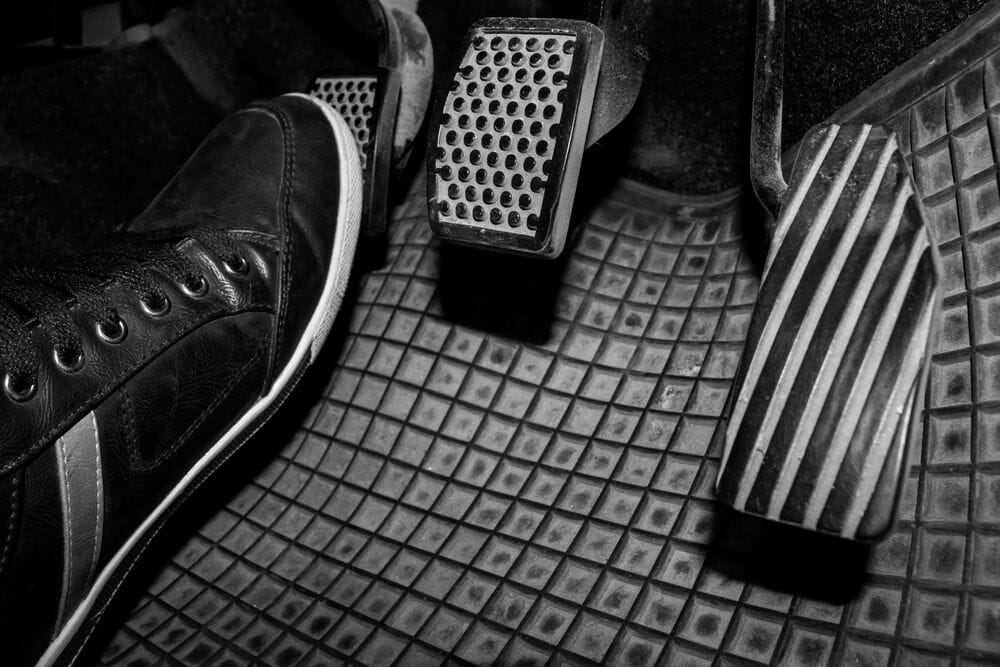
When it comes to navigating the exhilarating world of manual transmission, one phrase that frequently surfaces is “dumping the clutch.” This driving technique has garnered both admiration and skepticism among automotive enthusiasts. Understanding what it means, its practical applications, and the implications for vehicle performance requires a nuanced exploration of driving mechanics and the dynamics of clutch engagement.
Defining the Clutch and Its Function
At its core, the clutch is a mechanical device that engages and disengages the engine from the wheels. In a manual transmission vehicle, the driver depresses the clutch pedal to disconnect power from the engine, allowing for gear changes without damaging the transmission. The technique of “dumping the clutch” refers to the rapid release of the clutch pedal, often accompanied by applying substantial throttle. This maneuver can produce noticeable acceleration, but it can also lead to a spectrum of outcomes depending on the context and conditions under which it is performed.
The Mechanics of Dumping the Clutch
When a driver dumps the clutch, the primary intent is to transfer maximum power to the wheels in an expedient manner. By fully depressing the clutch pedal and then quickly releasing it while simultaneously blipping the throttle, the driver can harness the engine’s RPMs to generate rapid acceleration. This may invoke tire chirps and swift shifts in momentum, culminating in a thrilling surge of speed.
However, the effectiveness of this technique hinges on several factors, including engine power, tire traction, weight distribution, and even surface conditions. For instance, on a well-prepped racetrack with ideal traction, the outcome is often a seamless launch. Conversely, on wet or loose surfaces, the repercussions could lead to wheel spin or loss of control.
Applications of Dumping the Clutch
One of the most prominent arenas in which dumping the clutch is utilized is motorsport, particularly in drag racing and rally events. In drag racing, achieving a quick launch is paramount; drivers often experiment with different clutch release points and throttle applications to find the optimal balance between acceleration and maintaining traction. In these scenarios, skilled drivers can achieve remarkably swift clock times by mastering the fine art of clutch dumping.
Rally drivers also leverage this technique during challenging terrain, employing it to attain quick acceleration out of turns or to navigate through slippery conditions. In these instances, the command of vehicle dynamics and an intuitive understanding of when to apply the technique play a critical role in maintaining control while maximizing speed.
The Risks Involved
While the allure of dumping the clutch is undeniable, it is crucial to recognize the risks associated with this technique. One of the most significant dangers is the potential for premature wear on the vehicle’s components, particularly the clutch itself. Repeatedly engaging and disengaging the clutch at high RPMs can lead to overheating or damage, resulting in costly repairs.
Moreover, the technique can instigate loss of traction, particularly in high-powered vehicles. When too much throttle is applied too quickly, the wheels can spin uncontrollably, leading to a skidding sensation that malfunctions any semblance of control. For novice drivers or those unfamiliar with their vehicle’s dynamics, this can create hazardous situations.
Alternative Techniques for Launching
For drivers looking to achieve swift acceleration without the drawbacks of dumping the clutch, several alternative techniques can be explored. One reputable method is the “feathering” technique, which involves a more gradual release of the clutch pedal while modulating throttle input. This allows for smoother engagement, reducing the likelihood of loss of traction and prolonging the life of the clutch.
Another option is the “launch control” feature found in some modern performance cars. This system optimizes torque delivery and clutch engagement, enabling drivers to achieve optimal launches with minimal effort. By automatically modulating throttle and clutch engagement, launch control systems mitigate the risk of wheel spin, offering an accessible solution for achieving quick starts.
Clutch Control: The Learning Curve
Mastering clutch control begins with understanding the vehicle’s unique characteristics. Drivers should take the time to familiarize themselves with their car’s power band, weight distribution, and handling dynamics. Practicing in controlled environments can build confidence and improve instincts when it comes to clutch manipulation. Real-world practice allows drivers to cultivate an awareness of how varying conditions impact performance and traction.
The Significance of Mechanical Sympathy
Regardless of the chosen technique, cultivating a rapport with the vehicle is paramount. This approach—often referred to as “mechanical sympathy”—entails respecting the mechanical components and understanding the limits of performance. The essence lies not in the fervent execution of clutch dumping, but in striking a balance between exhilaration and vehicle longevity.
In conclusion, the concept of dumping the clutch is laden with both thrilling potential and inherent risks. For those drawn to the adrenaline-fueled world of motorsports or spirited driving, mastering this technique can serve to enhance performance. However, it is imperative to approach with caution, to acknowledge the nuances of vehicle dynamics, and to develop alternative methods as necessary. The journey through manual driving offers not just the allure of speed, but the intricacies of mechanical mastery that enrich the driving experience, fostering both skill and appreciation.












