
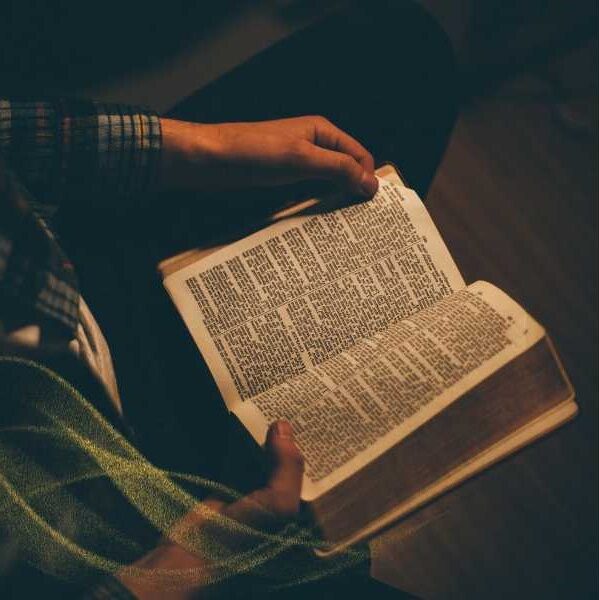
In the grand tapestry of Biblical numerology, the number eight stands as a symbol of new beginnings, rebirth, and regeneration. Though it may not be as widely discussed as the number seven, which embodies completeness, the significance of eight offers profound insights into various theological concepts and narratives within the sacred texts. This article aims to elucidate what the number eight means in biblical contexts, exploring its symbolism, its appearance in scripture, and its broader implications in both ancient and contemporary interpretations.
The Significance of Eight in the Bible
The number eight is emblematic of a fresh start or a new creation. It is often associated with resurrection and renewal, which signals to believers the promise of eternal life and a new covenant with God. This idea stemmed from the ancient Near Eastern cultures, wherein the eighth day after a significant event was deemed propitious, often marking a divine change or transformation.
The New Covenant: A Symbol of Promise
One of the pivotal moments where the number eight is profoundly illustrated is in the context of the New Covenant established through Jesus Christ. As believers recognize Jesus’ resurrection on the eighth day following the Sabbath—this is traditionally considered Sunday—faithful adherents view this as the commencement of a new dawn, a transformative chapter in the narrative of humanity. The resurrection signifies not just a return to life but a complete metamorphosis into spiritual perfection, symbolizing hope and rejuvenation.
The Circumcision: Entry into Covenant
In the Old Testament, the practice of circumcision also reflects the importance of the number eight. Initiated on the eighth day after birth, this act serves as a physical manifestation of the covenant between God and the Israelites. The circumcision marks an individual’s entry into God’s chosen people, thus becoming part of a divine narrative. This custom demonstrates that the number eight is pivotal in understanding one’s relationship with the divine, as it symbolizes not only physical but also spiritual purity and belonging.
The Biblical Narratives Involving Eight
Various biblical stories further elaborate on the significance of eight. One of the most compelling examples can be found in the narrative of Noah’s Ark. According to Scripture, eight people were saved from the deluge, representing salvation and the inception of a new world after divine judgment. This account encapsulates the cyclical nature of life and death, underscoring the idea that destruction can pave the way for rebirth and regeneration.
Eight’s Connection to Creation
The significance of eight extends to the concept of creation itself. In Hebrew tradition, the number seven is related to the completeness of creation, as seen in the seven days of creation. The eighth day, however, represents the beginning of a new cycle—an extension of divine creativity that surpasses the initial act of formation. This transition heralds the eternal nature of God’s creation, which continues to evolve and unfold beyond the limits of human comprehension.
Numerology and Spirituality: Eight as a Symbol
In the broader context of biblical numerology, the number eight symbolizes infinity and eternity, particularly when considered against the backdrop of physical symmetry. When placed horizontally, the numeral eight resembles the infinity symbol (∞), which conveys the notion of unending love and grace from the Creator. This interpretation resonates with the teachings of Scripture, wherein believers are assured of God’s everlasting promises—a relationship that transcends temporal existence.
Christian Tradition: The Prominence of Eight in Liturgical Practices
Throughout Christian traditions, the number eight continues to manifest in various liturgical practices. For instance, in several denominations, the octave of Easter consists of eight days, celebrating the resurrection of Jesus. This special observance reinforces the belief in life after death and emphasizes the essential doctrines of the faith. Similarly, some Baptismal rites incorporate the symbolism of eight, representing the celebrant’s rebirth into a new life in Christ.
Eight in Eschatology: The Ultimate Restoration
Looking forward to eschatological themes, the number eight also has significance in the study of the end times. As prophetic literature suggests a new heaven and a new Earth, the eighth day is often interpreted as the commencement of this divine restoration. Within this framework, eight encapsulates the ultimate renewal of creation—wherein all things are reconciled and restored to their original splendor. It provides a shimmering hope that motivates believers to sustain their faith in the face of adversity.
Conclusion: Embracing the Symbolism of Eight
The number eight, steeped in biblical symbolism, serves as a rich tapestry of meanings that extends beyond mere numerology. It embodies themes of resurrection, renewal, and eternal promises, encouraging individuals to reflect on their own journeys of faith and transformation. Understanding the number eight within the biblical narrative invites a deeper appreciation for the intricate relationship between God and humanity, as well as the transformative power of divine grace. Whether through the stories of covenant, creation, or eschatological promises, the significance of eight remains a potent reminder of the spiritual rebirth available to all who believe.












