
In the ever-evolving landscape of automotive technology, the term “eTorque” has emerged as a significant player, particularly in the realm of mild hybrid engines. As automakers gravitate towards more fuel-efficient and environmentally friendly solutions, understanding what eTorque means becomes essential for both consumers and enthusiasts alike. This article meticulously unravels the nuances of eTorque and explores how it fits within the broader category of mild hybrid engines.
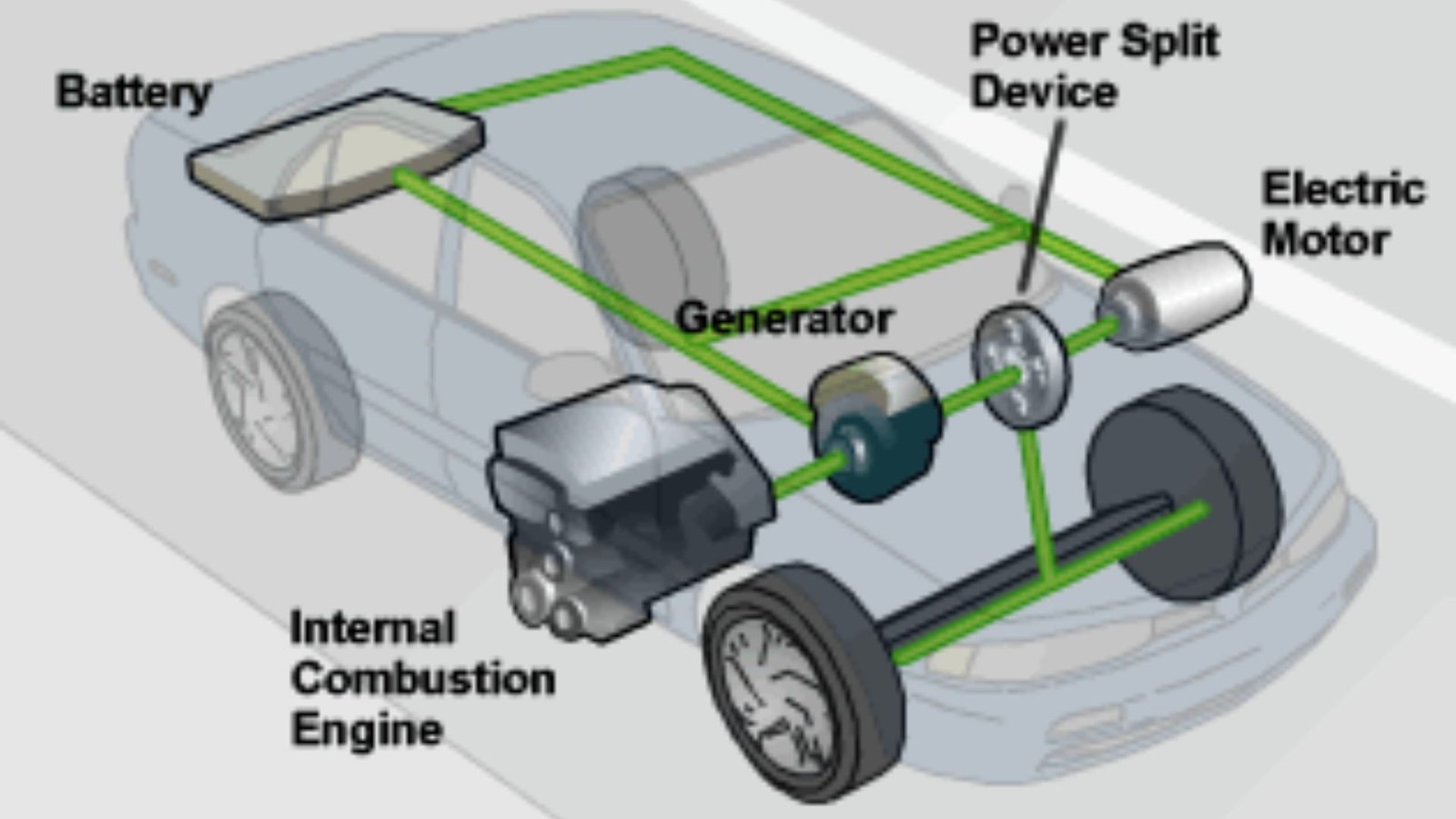
To begin with, it is imperative to comprehend the foundational concept of eTorque. Essentially, eTorque is a sophisticated mild hybrid system developed predominantly by FCA (Fiat Chrysler Automobiles), now part of Stellantis. It integrates a small electric motor, coupled with an advanced lithium-ion battery pack, that works in tandem with a conventional internal combustion engine. Unlike full hybrids or battery-electric vehicles, eTorque enhances vehicle performance without having to plug in for a charge.
One of the most fascinating aspects of eTorque is its ability to provide an additional boost of torque, particularly during acceleration. This innovative technology harnesses the electric motor’s capabilities to supplement the engine’s power, resulting in improved acceleration and enhanced overall efficiency. This seamless integration allows drivers to experience a more responsive and zippy driving experience, akin to that of a traditional gasoline engine but with the added perks of hybrid technology.
Moreover, eTorque systems utilize regenerative braking, a hallmark feature among hybrid vehicles. When a driver applies the brakes, the electric motor functions in reverse, converting kinetic energy back into electrical energy, which is subsequently stored in the lithium-ion battery. This process not only contributes to better fuel economy but also minimizes wear on traditional braking components, translating to lower maintenance costs over time.
The benefits of eTorque extend beyond performance enhancements; they significantly impact the fuel economy and emissions profile of vehicles equipped with this technology. By providing additional torque during critical driving moments, eTorque enables a downsized engine configuration without sacrificing power output. This downsizing can lead to reduced fuel consumption, as smaller engines generally operate more efficiently. Consequently, mild hybrid vehicles with eTorque are poised to outpace their purely gasoline counterparts in terms of fuel efficiency.
In terms of emissions, the contribution of eTorque to reducing carbon footprints cannot be overlooked. With stringent emissions regulations becoming increasingly commonplace, manufacturers are under pressure to innovate. The integration of eTorque allows for a significant reduction in CO2 emissions, particularly in urban environments where stop-and-go traffic is prevalent. The manner in which eTorque can decouple engine operation during idle moments further minimizes fuel consumption, ensuring that less harmful emissions are released into the atmosphere.
When delving into the realm of mild hybrid engines, one must differentiate between the various systems available. Mild hybrid technologies often fall into a few categories, including light hybrids and full hybrids. Light hybrids, like those utilizing eTorque, offer modest improvements in efficiency and will often rely on the internal combustion engine for propulsion, whereas full hybrids may operate using either the electric motor or gasoline engine in unison, or even independently, in certain situations. Understanding these distinctions can guide consumers in selecting the right fit for their needs.
The versatility of eTorque extends beyond performance and efficiency into the realm of vehicle types. Numerous automakers, including truck manufacturers and passenger vehicle makers, have embraced this technology. Particularly for pickup trucks, eTorque offers robust torque across all ranges, making them particularly adept for towing and hauling tasks. With the traditional consumer truck market increasingly shifting towards enhanced efficiency, eTorque serves as a blend of rugged performance and modern innovation.
As the automotive industry gears up for the future, the significance of eTorque cannot be overstated. With ongoing advancements in battery technology and electric motor systems, the potential for eTorque to evolve further remains promising. Future iterations may see augmented power outputs, increased efficiency, and even greater integration with autonomous driving technologies.
In summary, understanding what eTorque signifies opens a window into the intricate world of mild hybrid engines. This innovative technology not only enhances vehicle performance through additional torque and improved efficiency but also plays a crucial role in reducing emissions and fuel consumption. As the automotive landscape continues to shift towards sustainable solutions, eTorque stands out as a smart intermediary—a technology that embraces the benefits of hybrid systems while remaining rooted in the tradition of internal combustion engines.
For consumers navigating the automotive market, deep knowledge of eTorque and its implications can empower informed decision-making. Whether it’s for improved fuel economy or a seamless driving experience, mild hybrid engines with eTorque technology are becoming an indispensable choice for a multitude of drivers, thus paving the way for a greener tomorrow.












