
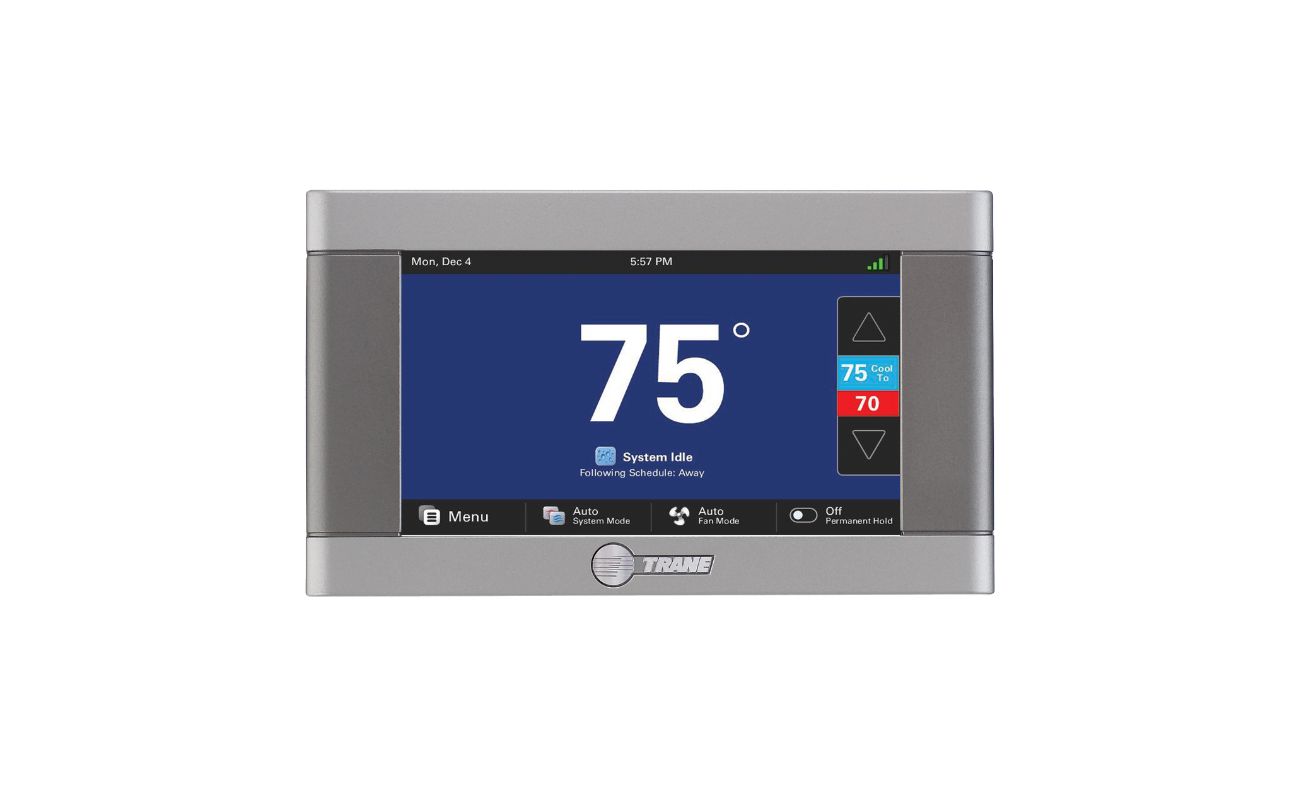
In the world of HVAC systems, the intricacies of settings and functions often resemble an intricate dance, each step choreographed to achieve the perfect climate within your living space. Among these settings, one term that frequently eludes the understanding of homeowners is “Fan Circ.” What exactly does this setting signify, and how does it impact your home’s heating and cooling dynamics? This exploration will demystify the enigmatic world of Fan Circ, shedding light on its purpose, operation, and several nuanced considerations.
The Fan Circ setting on a thermostat is reminiscent of a conductor guiding an orchestra, harmonizing the distribution of air throughout your home. Essentially, it indicates that the fan associated with your HVAC system will run for intermittent periods, independent of the heating or cooling cycle. This functionality contrasts sharply with a typical “On” setting, where the fan operates continuously, leading to a constant flow of air, but often, it may not efficiently manage the temperature in every corner of your abode.
Understanding the Fan Circ Functionality
At its core, the Fan Circ setting serves as a means of enhancing indoor air circulation while simultaneously promoting energy efficiency. When engaged, the fan operates at regular intervals, drawing air through the system to maintain a consistent temperature. This method contrasts with the relentless operation of a fan that runs non-stop, which can lead to uneven temperature distribution and many wasted dollars on energy bills.
The Fan Circ feature is typically programmable, allowing users to specify durations during which the fan will operate. Such flexibility empowers homeowners to tailor airflow for optimal comfort, specifically during transitional seasons when outdoor temperatures fluctuate, demanding dynamic indoor climate control.
Advantages of Employing Fan Circ
- Enhanced Air Quality: Just as the gentle breeze rustles leaves in a forest, the periodic operation of the fan promotes continuous air exchange, reducing stagnation and elevating indoor air quality. This is particularly beneficial in homes where allergens or pollutants may linger.
- Energy Efficiency: Employing the Fan Circ setting taps into the principles of energy-efficient design. By utilizing the fan sparely without resorting to constant usage, households can curtail their energy consumption, lowering utility bills while sustaining optimal comfort levels.
- Improved Temperature Consistency: Much like the ebb and flow of ocean tides, the scheduled airflow helps in minimizing hot and cold spots throughout the house, fostering a more consistent temperature in various rooms.
Best Practices for Fan Circ Setting
To maximize the effectiveness of the Fan Circ setting, certain best practices can be instituted. First, consider syncing the fan operation with the natural rhythm of your lifestyle. For example, if your family is active during the day, set intervals that align the fan’s operation during peak hours and cease during the night when lower airflow may be sufficient.
Additionally, it’s wise to integrate the Fan Circ setting into regular maintenance routines. Clean or replace filters diligently to prevent any obstruction in airflow that can deviate from the preferred balance. Regularly maintaining your HVAC system will ensure that the air circulation remains unimpeded, thus optimizing its performance.
Potential Drawbacks of Fan Circ
The allure of Fan Circ is undeniable, but it is also essential to acknowledge its potential setbacks. The intermittent running of the fan can sometimes produce unintended noise that may disrupt the tranquility of your home, especially at night. This can be likened to a whispering wind that competes against the serene silence of evening, creating a noticeable backdrop that may or may not be welcomed.
Furthermore, if the thermostat is located in a space that doesn’t reflect the temperature of the entire home, the Fan Circ setting may not operate effectively. If the thermostat becomes deceived by a warmer or cooler microclimate within the household, it may not adequately regulate airflow, leading to frustration.
Comparative Analysis: Fan Circ vs. Fan On
To fully grasp the unique attributes of Fan Circ, it is also vital to juxtapose it against another prevalent setting: “Fan On.” While Fan On ensures that the fan operates at all times, providing a steady stream of air as relentless as a flowing river, it requires continuous energy consumption, leading to significantly higher energy bills and wear on components. By contrast, Fan Circ engages the fan sporadically, cultivating efficiency and managing comfort.
The differentiation lies in their methodologies. While Fan On is akin to an unyielding friend always present by your side, Fan Circ plays the role of an attentive companion, stepping in only when the situation demands attention, ensuring that your environment is neither stagnant nor overly purged of warmth or coolness.
Final Thoughts
Navigating the intricacies of HVAC settings can seem daunting, yet understanding concepts like Fan Circ can greatly empower homeowners to manage their environment efficiently. By leveraging the Fan Circ setting, you can create a cozy sanctuary within your home that offers both comfort and tranquility, all while being cognizant of energy use. Just as one would orchestrate an artful performance, mastering the art of your HVAC system can yield results that are music to your ears, harmonizing comfort and efficiency in perfect concert.












