
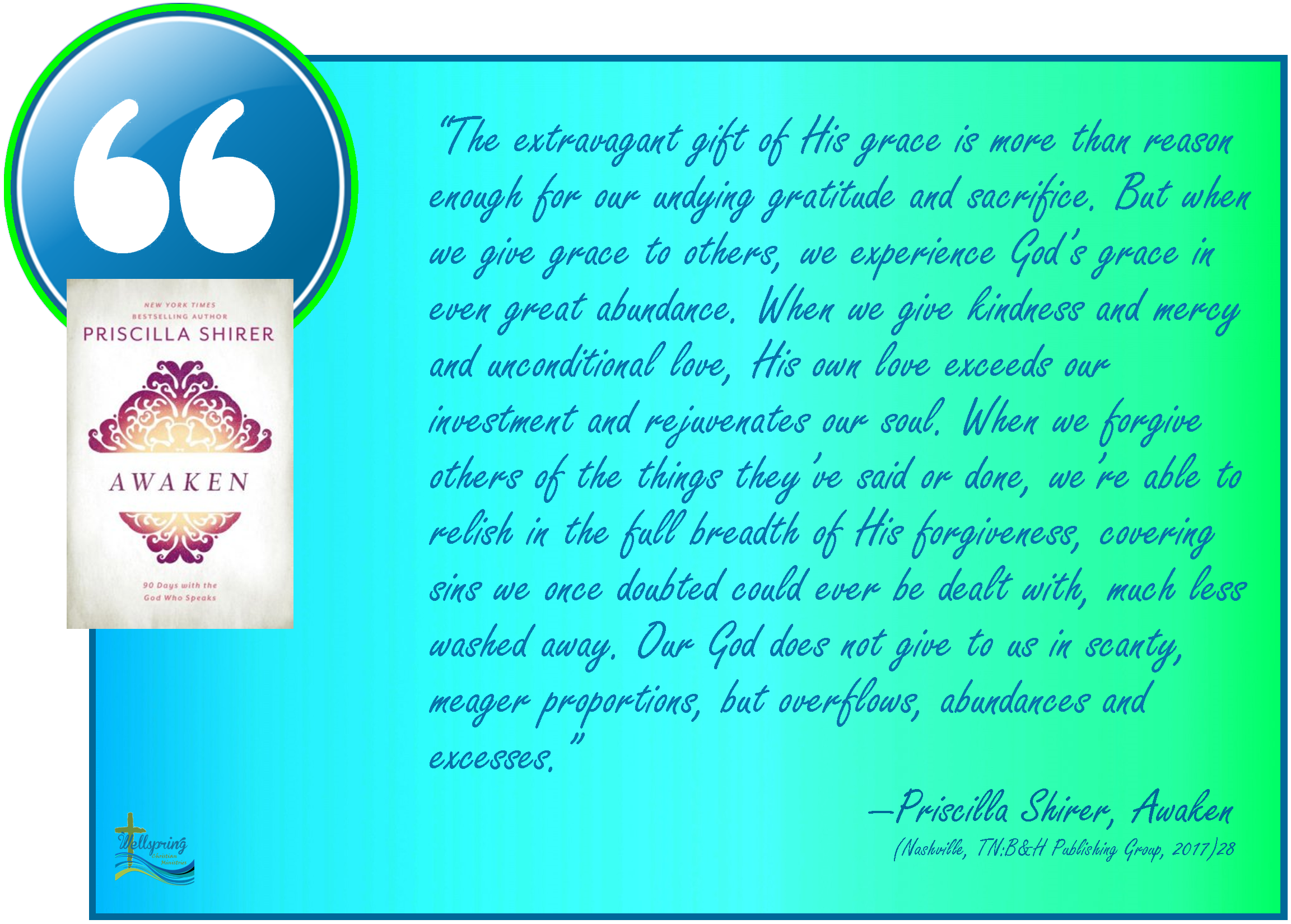
Grace, a term deeply rooted in both spiritual and secular traditions, embodies a multifaceted concept that transcends mere forgiveness. At its core, giving grace underscores the essence of compassion, empathy, and the power of an open heart. It invites us to contemplate not just forgiveness but the transformative impact of understanding and kindness toward ourselves and others. In this exploration of what giving grace truly means, we will navigate through its definitions, implications, and the profound shift in perspective it like promises, all while inspiring curiosity about its role in our lives.
The Essence of Grace
To grasp the meaning of giving grace, we must first understand the fabric of grace itself. Grace can be defined as an unearned and unmerited favor. It is an act of kindness bestowed upon someone not because of their actions or merit but through a genuine expression of compassion. When we speak of giving grace, we refer to the conscious choice to extend this inherent favor, allowing leniency and understanding to shape our interactions. This act cultivates an environment where acceptance prevails over judgment.
Grace’s nature is effortless; it thrives where love abounds. It inspires individuals to embrace vulnerability, prompting them to offer empathy to those who may falter, rather than harsh criticism. Understanding this is pivotal because it highlights that grace is inherently tied to our human existence—our flaws, our imperfections, and our shared struggles.
Forgiveness as an Element of Grace
While grace encompasses a broader spectrum, forgiveness is one of its integral components. The act of forgiving compels us to relinquish the burdens of resentment and anger. It is a deliberate act, often fraught with emotional weight, yet it aligns seamlessly with the notion of grace. So, what does it mean to forgive gracefully?
Forgiveness is not merely about absolving someone from their transgressions; it is a profound act of self-liberation. When we forgive, we liberate ourselves from the shackles of negative emotions that can restrain our capacity to love freely and authentically. The granting of grace allows us to reaffirm our commitment to humanity, seeing beyond the offense to the person beneath it. This transformative act of viewing the individual through a lens of understanding can illuminate a path toward healing and reconciliation.
The Transformation of Perspective
Engaging in acts of grace fosters an intriguing shift in perspective. When we consciously decide to give grace, we begin to see the world not merely as a battleground of rival narratives but as a tapestry woven with kindness and understanding. This change can lead to a dramatic reconfiguration of our emotional responses and interactions with others.
Consider a scenario where a loved one makes a mistake. Instead of responding with ire or disappointment, responding with grace shifts the dialogue entirely. It invites curiosity about their experiences and motivations. Why did they err? What circumstances contributed to their decision-making? This inquiry not only enhances interpersonal dynamics but also promotes emotional intelligence, allowing us to respond with empathy rather than hostility.
Empathy: The Heartbeat of Grace
As we delve deeper into giving grace, we unearth the essential role that empathy plays in this concept. Empathy acts as the heartbeat of grace, enabling us to connect with others on a deeper emotional level. When we extend grace, we endeavor to comprehend the complexities of human experience, thereby fostering connections that transcend superficial judgments. Understanding fosters tolerance and compassion, creating a ripple effect that influences our surroundings.
This empathetic approach can lead to significant personal growth. It urges individuals to reflect on their own experiences of hurt and forgiveness, expanding their capacities for understanding. When we give grace, we often find ourselves reflecting our own need for affirmation and companionship. This interplay of experiences allows for a deeper realization—grace not only bolsters our relationships but also nurtures our sense of self-worth.
Challenges in Giving Grace
Moreover, the process of forgiving can expose vulnerabilities. Individuals may grapple with feelings of betrayal, anger, or sadness, particularly when past experiences resurface. It is crucial to acknowledge these emotions as natural components of the human experience. Recognizing them allows for authentic processing, thereby rendering the eventual act of offering grace an even more poignant personal triumph.
The Ripple Effects of Grace
Embracing a practice of giving grace leads to far-reaching consequences, resonating beyond individual relationships into communities and societies. This ripple effect underscores the profound interconnectedness of humanity. By fostering an atmosphere of grace, we contribute to a collective ethos that prioritizes understanding over discord, compassion over apathy. Communities rooted in grace witness enhanced cooperation, mutual respect, and an overall sense of belonging.
Furthermore, as more individuals embrace grace, the cultural narrative shifts dramatically. What was once a story of division can become a saga of unity—a testament to the enduring strength of compassion. This evolution is vital, especially in a world often characterized by polarity and discord. It invites individuals to cultivate a mindset that prioritizes engagement and dialogue over dismissal and contempt.
Conclusion: The Path Forward
In conclusion, giving grace is an art, a deliberate choice to navigate the world through a lens of empathy, understanding, and kindness. It prompts us to embrace our vulnerabilities and extend compassion to those around us. In doing so, we not only enrich our own lives but contribute to a larger movement that empowers others to do the same. As we embark on this journey of giving grace, we create a promise—not just to others but to ourselves—that we are capable of transformation through love and forgiveness. The invitation lies there, beckoning us to explore the beauty of grace in our daily interactions and relationships, a constant reminder that it is never too late to offer a little more compassion in a world that often desperately needs it.












