
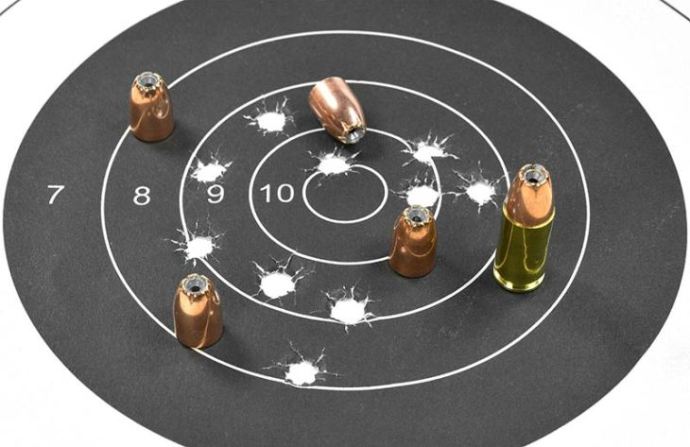
When delving into the realm of ammunition, the term “grain” often emerges as a fundamental concept. Often misconceived, grain is not merely an arbitrary number assigned to bullets. Instead, it embodies a myriad of implications that can significantly influence performance and behavior upon impact. Understanding this measurement is akin to appreciating the subtle nuances of fine wine, where the composition, character, and history of the grapes tell an intricate story. In this beginner’s guide, we will explore what grain means in the world of bullets, the effects it can have on shooting dynamics, and why it matters to both novice and seasoned marksmen alike.
1. Demystifying Grain: The Basics
At its core, grain is a unit of mass that measures the weight of a bullet. One grain is equivalent to 1/7000th of a pound or approximately 0.0648 grams. This seemingly small measurement can dramatically influence various factors such as velocity, energy transfer, and recoil. The weight can vary significantly across different types of ammunition and typically ranges from 20 grains for lighter pistol rounds to over 200 grains for hefty rifle bullets. In essence, the grain measurement encapsulates the very identity of the projectile, establishing a foundation upon which all other characteristics are built.
2. The Scale of Impact: How Grain Influences Performance
The weight of a bullet directly correlates with its performance. Lighter bullets, typically in the range of 60 to 100 grains, are favored for high-velocity applications. They travel faster, allowing them to reach their target more quickly. This velocity can also result in flatter trajectories, making them ideal for varmint hunting or competitive shooting where precision matters most. However, with high speed comes lower momentum, which means that lighter bullets may not perform as effectively against larger game or in scenarios demanding deep penetration.
In contrast, heavier bullets, usually above 150 grains, are synonymous with substantial stopping power. They possess greater momentum and energy retention, allowing for impressive penetration and expansion upon impact. This makes them a preferential choice for big-game hunting or self-defense applications where stopping an aggressive threat quickly is paramount. The added weight provides a sense of authority, similar to a well-constructed argument that commands respect and attention.
3. The Science Behind Grain: Understanding Ballistics
To truly grasp how grain affects a bullet’s trajectory and impact, one must wander into the realm of ballistics—where physics and projectiles dance an intricate waltz. The caliber, or diameter of the bullet, combined with its grain weight, influences the aerodynamic profile of a bullet. Bullets can be further classified into various shapes and designs, such as full metal jackets, hollow points, and soft points. Each design aims to maximize a bullet’s potential, catering to specific shooting requirements and preferences.
Consider, for instance, the hollow point bullet. Designed to expand upon impact, these projectiles rely on a delicate balance between weight and design. A heavier hollow point may create a larger wound channel, while a lighter version could achieve higher velocities. Thus, the choice of grain weight often becomes a critical decision point for the shooter, dictated by the intended application and tactical considerations.
4. A Practical Approach: Selecting the Right Grain Weight
As a novice in the world of firearms, the decision on grain weight can seem dauntingly complex. However, approaching this decision with a clear understanding of your needs can simplify the process. For instance, are you venturing into target shooting or seeking to harvest game? Will you be practicing at a range, or do you intend to carry a firearm for personal protection? These questions are central to narrowing down your options.
It’s wise to experiment with different grain weights to ascertain which feels best in your firearm. This trial and error is akin to tasting various coffees until you find the perfect roast. Each bullet will respond differently, and discovering the one that aligns with your shooting style can offer a profound sense of satisfaction.
5. The Emotional Connection: The Symbiosis Between Shooter and Bullet
Just as an artist finds harmony with their brush, a shooter must connect with their ammunition. The interplay between the grain and the shooter’s technique forms an intimate bond that transcends words. The recoil sensation, the sound upon firing, and the trajectory of the bullet traveling toward its target create a visceral experience. This emotional engagement is what many find enchanting about shooting—a blend of mechanical precision and palpable excitement.
6. Final Thoughts: Grain as a Foundational Element of Precision
In conclusion, the grain weight of a bullet serves as an essential measure that informs performance, provides insight into ballistic behavior, and influences the very experience of marksmanship. Whether you’re a novice approaching the range for the first time or a seasoned hunter preparing for the next expedition, understanding grains can set the stage for success. Ultimately, knowledge of this pivotal concept transforms not just the way bullets are perceived but creates an enriched, engaging experience that melds science, artistry, and instinct.
In the grand tapestry of shooting sports, each grain carries a narrative waiting to be unraveled, an integral thread that weaves through the diverse experiences of marksmen and enthusiasts alike. Embrace this newfound understanding, and let it guide you on your journey into the fascinating world of ammunition.












