
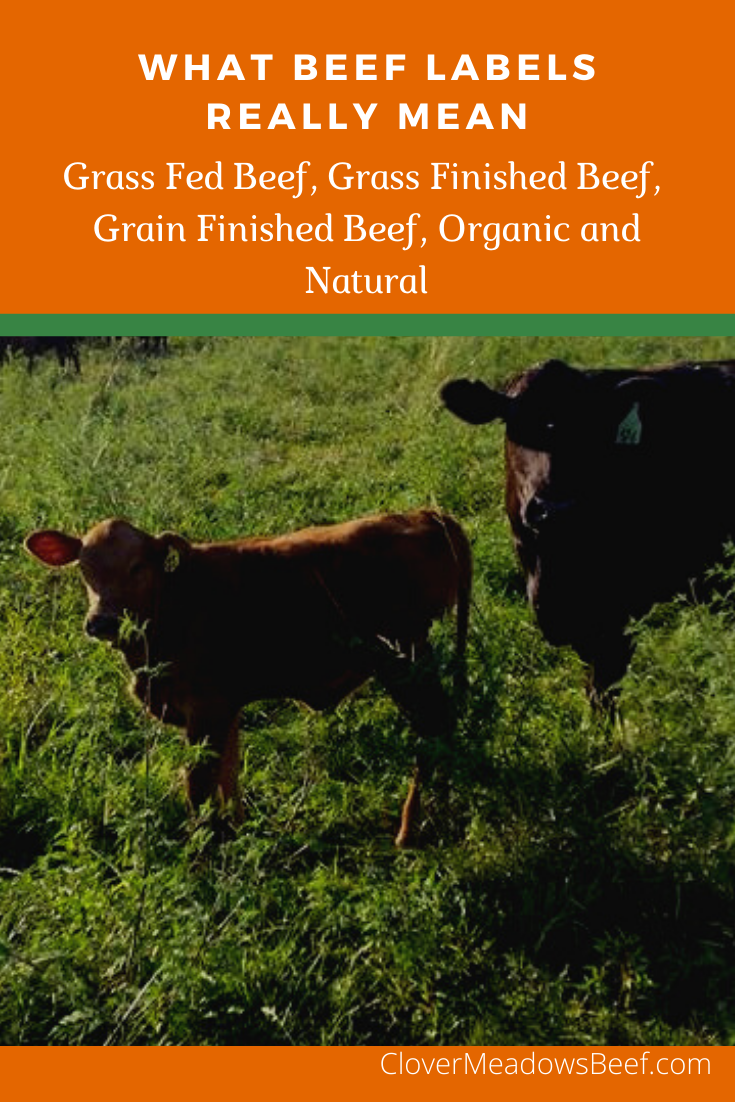
In an era of heightened awareness regarding food sourcing, nutrition, and ethical farming practices, understanding meat labels is imperative for informed consumer choices. The terms “grass-fed” and “grass-finished” are often encountered on packaging, yet their meanings can be ambiguous. This article will elucidate these labels while also examining various classifications of beef, allowing readers to traverse the maze of meat labels with ease and confidence.
What is Grass-Fed Beef?
Grass-fed beef originates from cattle that have been primarily raised on pasture and grass, as opposed to grain-based feed. This method aligns with natural grazing behaviors, which not only promotes animal welfare but also contributes significantly to the flavor and nutritional profile of the meat. Essentially, grass-fed cattle consume a diet primarily composed of grass during a substantial portion of their lives.
However, it’s crucial to note that just because a label states “grass-fed” doesn’t automatically imply that the animal was exclusively grass-fed its entire life. Regulations vary widely across regions and brands. In the United States, for example, the USDA does not strictly define the term, creating a patchwork of interpretations. Therefore, consumers should remain vigilant and seek certifications or detailed descriptions from producers.
What Does Grass-Finished Mean?
The concept of “grass-finished” extends the principles of grass-fed into the final phase of the animal’s life. Grass-finished cattle are those that have been exclusively fed grass and forage right up until slaughter. This is in direct contrast to cattle that might begin their lives on grass but are later transitioned to grain for fattening just before processing.
The Nutritional Implications
Grass-fed and grass-finished beef generally holds a reputation for superior nutritional benefits when compared to grain-finished beef. Research indicates that grass-fed beef boasts higher concentrations of omega-3 fatty acids, which are beneficial for heart health. Additionally, it frequently has lower levels of total fat, making it a preferable option for those seeking leaner meat. Furthermore, it is often higher in antioxidants such as Vitamin E and A.
Environmental Impact and Ethical Considerations
From an environmental perspective, grass-fed farming practices can have a less detrimental effect on ecosystems. Grazing cattle can contribute to soil health by promoting nutrient recycling through their manure. Grass-fed systems often require less reliance on synthetic fertilizers and pesticide treatments. However, critics argue that grass-fed systems may require more land and, thus, could surface complications around land use and biodiversity preservation.
Ethically, grass-fed cattle tend to experience a more natural lifestyle, which can resonate with consumers who prioritize humane farming practices. Learning about the farms from which meat originates fosters a greater connection to food sourcing and promotes an ethical food market.
Deep Dive into Other Meat Labels
While “grass-fed” and “grass-finished” are popular terms, the landscape of meat labels is intricate. Other notable classifications include:
- Organic: Beef labeled as organic adheres to standards set by the USDA, which includes a diet free from synthetic pesticides, fertilizers, and antibiotics. Organic farms prioritize sustainable farming methods.
- Natural: Contrary to widespread belief, “natural” does not necessarily mean what it implies. This term covers meat that is minimally processed but may still include animals raised with antibiotics and supplemental grain.
- Humanely Raised: This label suggests a commitment to animal welfare, encompassing practices that allow for natural behaviors. However, like grass-fed, this term lacks rigorous regulatory oversight.
- Grain-Finished: Most conventional beef is derived from grain-finished cattle, where animals are fed high-calorie grains towards the end of their lives to promote faster weight gain.
Choosing Wisely: What to Look For
As consumers venture into grocery aisles or local markets, understanding these labels is paramount. Here are strategies for making educated choices:
- Seek Certifications: Look for third-party certifications such as the American Grassfed Association or USDA Organic. Certifications provide a layer of assurance regarding farming practices.
- Inquire About Farming Practices: Engage with your butcher or supplier. Knowledgeable sellers can provide insights into how the animals were raised, their diet habits, and their living conditions.
- Prioritize Local Sources: Consider purchasing from local farms or community-supported agriculture (CSA) programs where you can directly learn about the cattle’s treatment and diet.
Conclusion
Understanding the nuances behind terms like “grass-fed” and “grass-finished” empowers consumers to make conscious choices about the meat they consume. Beyond just labeling, these terms herald a broader conversation about food ethics, environmental sustainability, and nutritional benefits. By familiarizing yourselves with the landscape of meat labels, not only do you enhance your dining experience, but you also align your food choices with personal values and health aspirations. With this knowledge in hand, navigating the complexities of meat labels can become a straightforward endeavor, one that honors both your palate and principles.












