
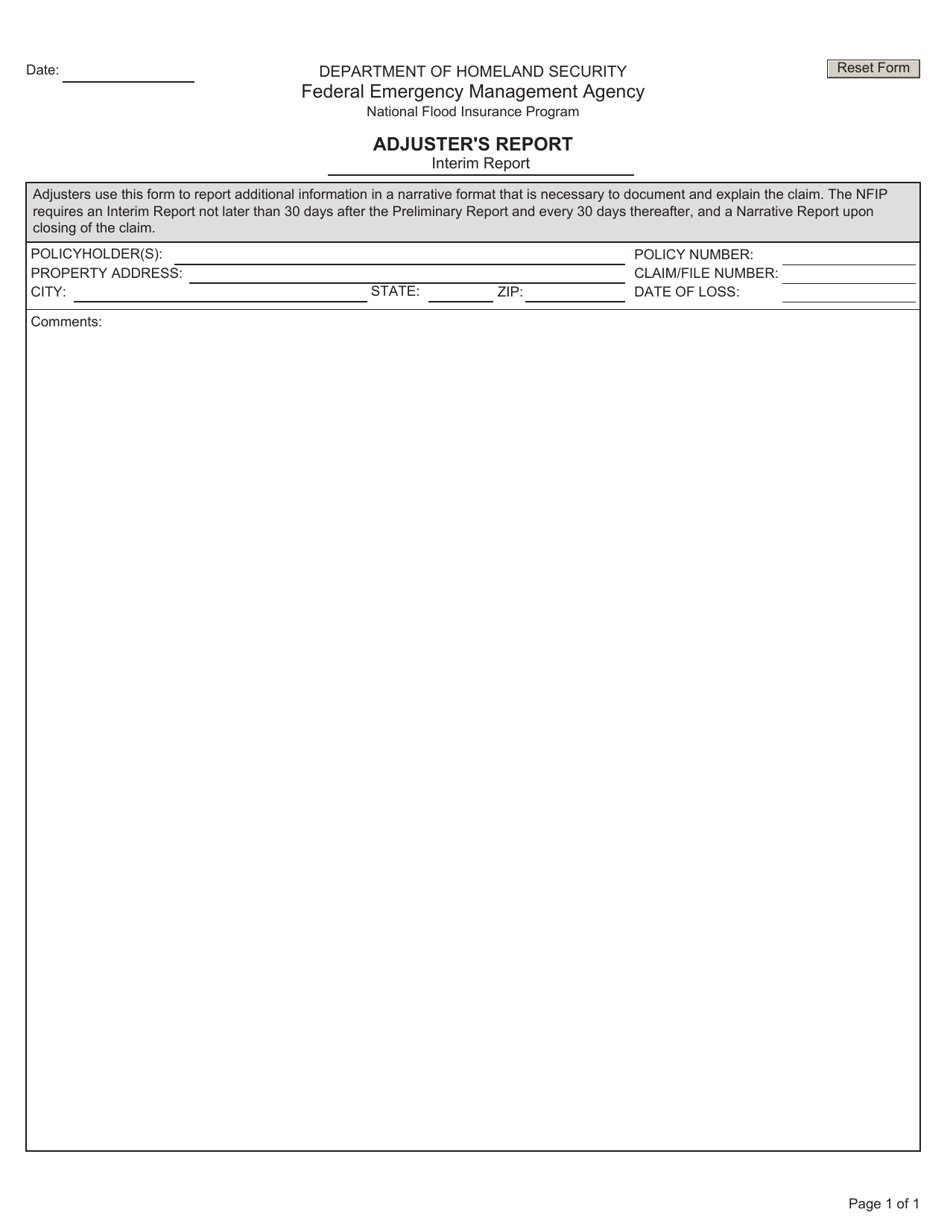
When reviewing an adjuster’s report after a property damage claim, you might come across terms that are pivotal yet perplexing. One such phrase is “high-grade shingle.” For homeowners and contractors alike, comprehending the significance of this terminology is vital to understanding roofing quality and insurance implications. This article delves into the intricacies of what high-grade shingles mean, their attributes, and why they matter in the context of property restoration.
To commence, understanding the fundamental classification of shingles is essential. Shingles are the outward covering of a roof, primarily designed to shed water while protecting homes. They come in various materials, including asphalt, wood, metal, and slate. Each type boasts unique merits and drawbacks, but among these, high-grade shingles represent an elevated echelon of durability, longevity, and performance. These shingles typically possess superior materials that enhance their resilience against environmental adversities.
So, what constitutes high-grade shingles? Often, these shingles are constructed from high-quality asphalt blends or premium materials like fiberglass and cellulose, which drastically elevate their thickness and weight. This enhanced composition results in shingles that can withstand harsher weather conditions, such as severe storms or extreme temperatures. Homeowners opting for high-grade shingles may find their roofs resisting curling, cracking, and fading more effectively than standard options.
In the realm of roofing, terminology can occasionally become laden with jargon. The categorization of shingles into various grades is often based on their material composition and performance characteristics. High-grade shingles typically have a higher Class rating for impact resistance, which assures homeowners that their roofs can endure hail or debris without succumbing to damage. This resilience and durability makes them not merely an aesthetic choice but a pragmatic one. Investing in high-grade shingles, while potentially more costly upfront, can yield significant long-term savings and ensure peace of mind.
In an adjuster’s report, the mention of high-grade shingles can signal several pivotal insights. It indicates that the roof’s covering was built for endurance, potentially affecting the cost of replacement or repair. Insurance companies, when assessing claims, often take notice of the material quality to determine the proper compensation. If your roof was initially outfitted with high-grade shingles, it might be positioned favorably during the claims process, as these materials are seen as distinctively advantageous.
However, high-grade shingles should not be mistaken for immunity against wear and tear. Even the finest shingles have a finite lifespan; typically, they can last anywhere from 25 to 50 years, depending on the manufacturer and environmental factors. Regular maintenance, including inspections and repairs, remains crucial for prolonging their viability. Moreover, understanding that the term “high-grade” doesn’t equate to zero necessary upkeep is essential for homeowners. They must remain vigilant for warning signs indicating potential failures, such as granule loss or discoloration, which could compromise the roof’s efficacy.
Furthermore, the implications of choosing high-grade shingles extend beyond mere durability. They offer enhanced energy efficiency compared to their lower-grade counterparts. High-grade shingles often integrate advanced technology that aids in temperature regulation within the home. This innovation can lead to decreased energy consumption, thereby lowering utility bills significantly over time. By investing in quality roofing materials, homeowners not only secure their property but can also improve environmental sustainability through reduced energy reliance.
Yet, while the benefits of high-grade shingles are many, such as elevated performance and aesthetic appeal, they also demand a keen eye on the cost implications. The initial expenditure for high-grade shingles can be steep, which necessitates a budget evaluation for potential buyers overwhelmed by choices. It’s crucial to assess not just the upfront costs but also the long-term value implied by such an investment. Often, homeowners would find that the robustness and extended lifespan of high-grade shingles can offset the higher initial costs, rendering them a financially sound choice in the long run.
Moreover, roofing choices influence property value. Homes adorned with high-grade shingles generally maintain a more robust market presence. Should a homeowner decide to sell, these premium materials can enhance curb appeal, thereby attracting prospective buyers who appreciate quality construction. As the market increasingly gravitates toward durability and low maintenance, high-grade shingles could position a house favorably compared to others outfitted with inferior materials.
As we start to unpack the importance of high-grade shingles, an essential understanding emerges: these materials are more than just exterior enhancements. They signify a commitment to quality, longevity, and value for homeowners. In an adjuster’s report, when the term “high-grade shingle” graces the pages, it underscores the robustness of the roof as well as the overall integrity of the home itself.
In conclusion, high-grade shingles serve as a paradisiacal shield against the vicissitudes of nature, wielding the promise of security and stability. Understanding their implications in an adjuster’s report not only equips homeowners with essential knowledge but also emboldens them to make informed decisions about repairs, claims, and future enhancements. As conversations around roofing materials and their benefits continue to evolve, high-grade shingles will undoubtedly remain at the forefront of discussions centered around home protection and investment quality.












