
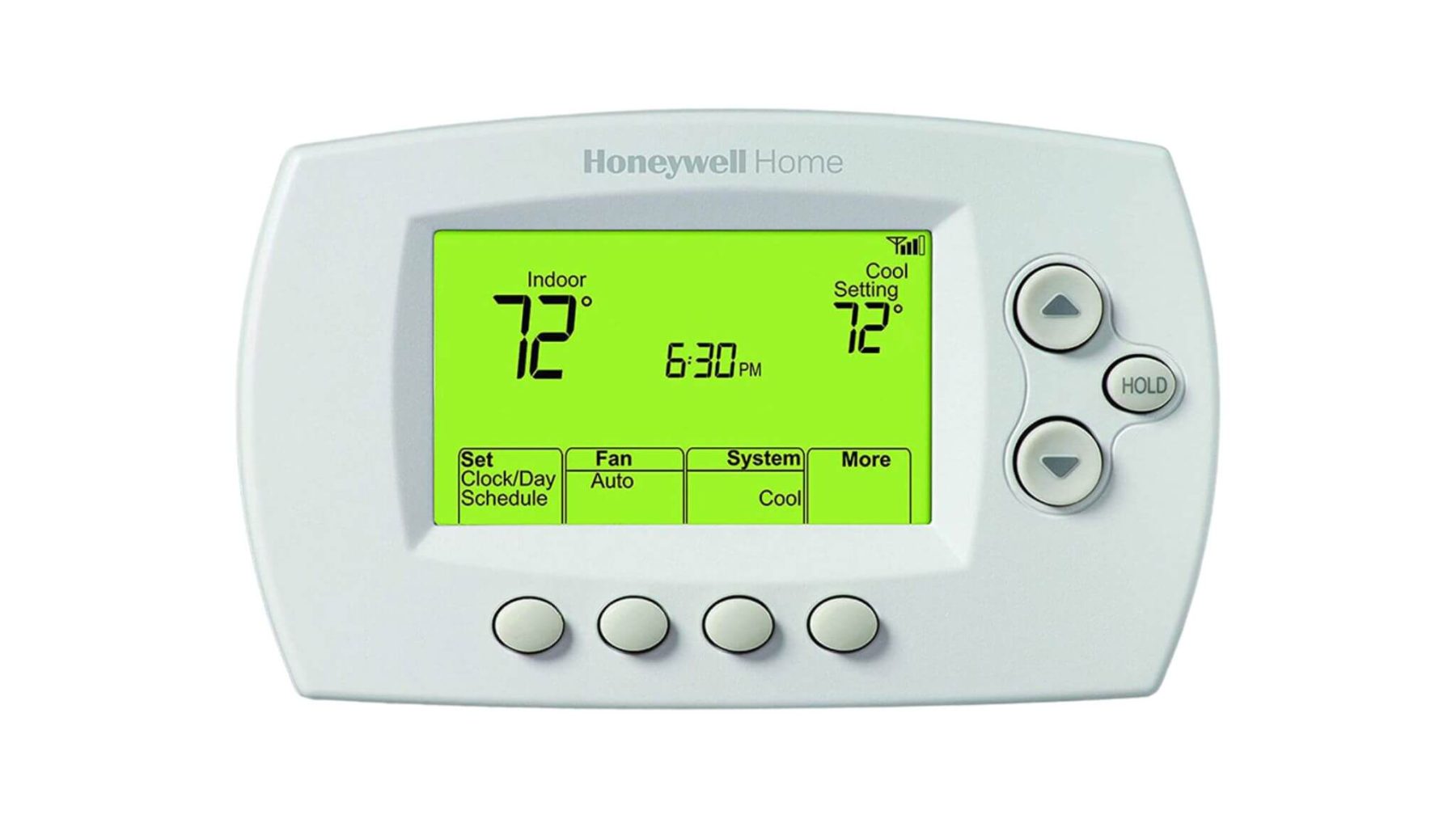
The world of home climate control is often shrouded in mystery, particularly for those who are not well-versed in HVAC systems. A frequent point of curiosity is the ‘Hold’ function on thermostats. What does it signify, and why does it deserve our attention? This formidable feature, commonly overlooked, holds several important implications for energy efficiency, comfort, and household management.
At its most fundamental level, the ‘Hold’ function allows homeowners to override scheduled temperature settings. For instance, if you have programmed your thermostat to adjust the temperature automatically throughout the day, pressing the ‘Hold’ button will maintain your current temperature setting until you choose to disable it. This offers a level of flexibility that many users find invaluable, especially during unexpected weather changes or unique household situations.
But why is this feature so captivating? The allure lies not merely in convenience; it is deeply tied to the reciprocal relationship between human behavior and technology. The Hold function embodies a transition from passive to active management of our environment, a reflection of our desire for personal comfort in the face of the unpredictable nature of climate.
Initially, the Hold feature may appear to be a simple pause button. However, dig a little deeper, and you’ll find multifaceted layers of utility. For example, it is especially practical for those experiencing temporary periods of increased occupancy. If you are hosting guests or family members for a week, the Hold function can ensure that the house remains invitingly warm or perfectly cool, without resorting to constant manual adjustments.
Moreover, the Hold function significantly impacts energy consumption. While maintaining a consistent temperature can seem capitalistic in nature—after all, who doesn’t want to feel lovely and comfortable—ignoring this feature can lead to wasted energy and increased costs. Instead of cranking up the heat or air conditioning, utilizing the Hold function permits you to curb your energy use while still ensuring a temperate environment.
The psychological satisfaction derived from controlling one’s environment cannot be overstated. The mere act of setting the thermostat to a comfortable temperature provides a sense of agency. In our increasingly automated world, there remains a deep-rooted desire to have manual control over our immediate surroundings, and intuitive features like Hold allow for just that.
Consider also the numerous thermostat settings that often overwhelm new users. The vast array of options—eco modes, timers, and different temperature settings—can be perplexing. In scenarios that necessitate immediate change, the Hold function serves as a beacon of simplicity amid complexity. Rather than navigating a labyrinth of presets, it provides a straightforward choice for those who may be less technically inclined.
Homeowners often cling to certain misconceptions regarding the Hold feature. One of the pervasive myths is that using the Hold function may result in exorbitant energy bills. However, experts argue that if utilized correctly, it can actually lead to improved energy efficiency, particularly during extreme weather conditions. By preventing constant fluctuations, it stabilizes your HVAC system’s operation, which can ultimately be more beneficial than short bursts of high demand.
Understanding the intricacies of this function also cultivates a deeper appreciation for the interconnectedness of modern appliances and infrastructure. Your thermostat is not merely a tool, but a vital component of a broader ecosystem of energy management that reflects how we interact with our homes. It prompts us to consider how seemingly mundane decisions, like adjusting the temperature, can have broader ramifications for sustainability. By imparting knowledge on efficient climate control, the Hold function encourages us to be mindful consumers.
Furthermore, advancements in smart technology have propelled the Hold function into a new era. Many contemporary thermostats now come equipped with adaptive learning capabilities, capable of anticipating changes and adjusting settings based on user behavior. This means that the Hold function is no longer a static feature, but rather a dynamic element that can interact holistically with other systems within your home. This shift illustrates how technology can adapt to human needs, enhancing our life quality while promoting energy conservation.
In the context of seasonal change, the significance of the Hold feature emerges more clearly. As seasons shift, so too do our preferences for indoor climate. During a particularly frigid winter spell, maintaining a consistent level of warmth can foster a cozy atmosphere that counters the chill of the outside world. Conversely, during sweltering summer months, a stable coolness can serve as a refuge from oppressive heat. The Hold feature thus operates as a custodian of comfort, adjusting to our temporal emotional needs.
In conclusion, the Hold feature on a thermostat is more than just a button; it is emblematic of our desire for comfort, control, and efficiency in our homes. This simple yet profound functionality provides the flexibility needed to adapt to life’s unpredictable circumstances while promoting energy conservation. As we move toward an era where smart technology increasingly permeates our lives, understanding and harnessing features like the Hold function can transform not just our homes but our entire relationship with climate control.












