
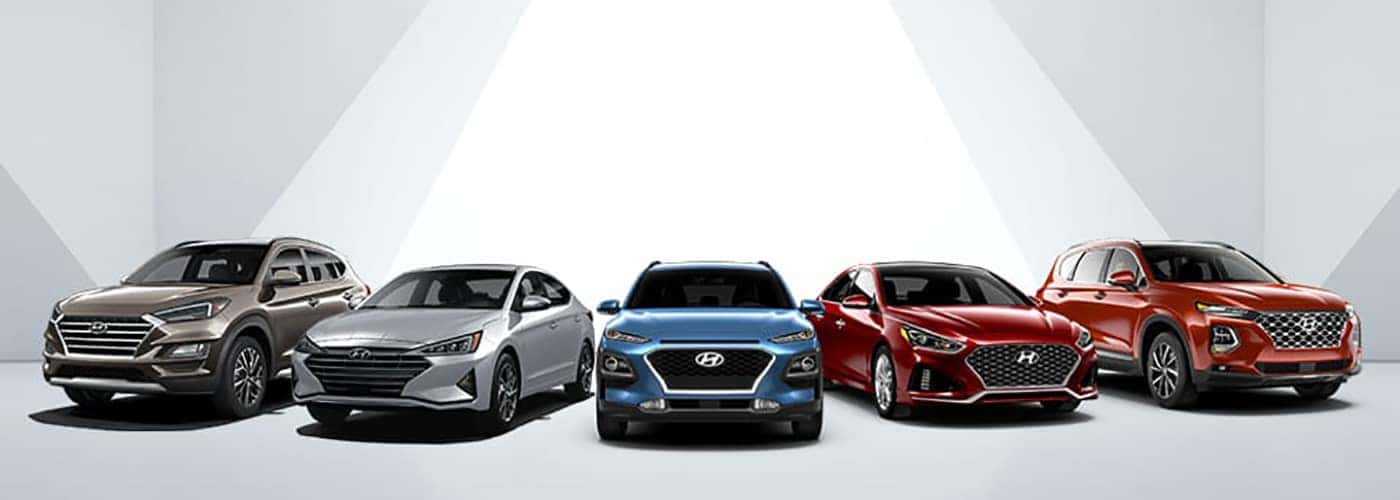
Hyundai, a name synonymous with innovation and reliability in the automotive industry, holds an intriguing backstory that taps into the very essence of its cultural and geographical roots. The name itself is derived from the Korean word “Hyundai,” which means “modern” or “contemporary.” This nomenclature elegantly reflects the company’s commitment to embracing the cutting-edge while remaining grounded in its traditional values.
The genesis of Hyundai traces back to 1967, a period when the world was in the throes of technological advancement and societal transformation. Founded by Chung Ju-yung, the company initially began as a construction firm and later ventured into the automobile sector, building its first vehicle, the Cortina, under a licensing agreement with Ford in 1968. This leap from groundwork to groundbreaking innovation illustrates a transformative journey—much like a seed sprouting, breaking through the soil to create something that flourishes.
As Hyundai evolved, so did its brand ethos. The underlying concept of modernization becomes more significant when one contemplates the socio-economic context of post-war South Korea. The country was emerging from adversity, striving to redefine its identity on the world stage. Hyundai’s name wasn’t just a label; it was a clarion call for progress, a harbinger of the nation’s ambition to compete globally through sophistication and technological prowess.
In the world of branding, names often evoke particular feelings or images; they can evoke nostalgia or instill confidence. Hyundai embodies this concept seamlessly. The simplicity of the name belies its more profound significance, depicting a forward-thinking mentality. In fact, the brand has gone on to become a symbol of South Korean resilience and ingenuity, akin to a phoenix rising from the ashes.
As one delves deeper into the brand’s attributes, it becomes apparent that Hyundai’s quest for innovation is intertwined with the philosophical notion of ‘modernity.’ This concept extends beyond mere aesthetics or technological advancement; it is an idea rooted in the courage to embrace change while respecting one’s lineage. The company’s tagline, “New Thinking. New Possibilities.” exemplifies this commitment. Each vehicle that rolls off the production line is not merely an amalgamation of metal and machinery; it represents dreams realized and possibilities unfurling.
To further accentuate Hyundai’s commitment to modernity, one can observe its foray into electric and hydrogen fuel cell vehicles. The Ioniq and the NEXO are exceptional examples that illustrate Hyundai’s visionary approach to sustainability. This shift toward cleaner energy solutions is not just a reaction to global demands but resonates with the fundamental ethos of modernism—adapting to contemporary needs while steering toward a greener horizon. The transition highlights the brand’s reverence for life, integrating the aspiration for sustainability with its revolutionary identity.
Moreover, Hyundai’s innovations extend to consumer engagement and customer service, fostering a relationship that goes beyond the traditional buyer-seller dynamic. The launch of initiatives like Hyundai Assurance exemplifies the brand’s dedication to cultivating trust and understanding its customers’ needs. This commitment to transparency and customer satisfaction mirrors the broader, modern concept; it epitomizes an evolution in how businesses operate in the contemporary landscape.
The genesis of Hyundai also serves as a testament to its extensive reach. After establishing a solid foothold in South Korea, the company expanded internationally, entering into markets like the United States, Europe, and beyond. Every expansion is a strategic endeavor, akin to a sailor navigating uncharted waters, with the name “Hyundai” serving as both compass and anchor for the brand’s vision. The initial skepticism faced by the brand in the foreign markets was a challenge that only fueled its resolve; Hyundai became an emblem of quality that slowly transformed perceptions through each meticulously crafted vehicle.
As Hyundai progressed, it became not just a maker of automobiles but a leader in design and technology. The brand’s collaborative partnerships with renowned design firms result in vehicles that are as striking aesthetically as they are high-performing. This duality mirrors the nuances of the brand’s name—a blend of traditional craftsmanship and modern elegance, a juxtaposition that appeals to a diverse consumer base around the globe.
Let’s take a moment to appreciate the aesthetic language of Hyundai’s design ethos. Each vehicle is treated as a canvas, where engineering and artistry converge. The fluid lines, sculpted surfaces, and attention to detail whisper stories of the brand’s ambition to create not just cars but moving sculptures that resonate with drivers on an emotional level. In essence, every Hyundai vehicle embodies an artistic manifesto that reflects a marriage of function and aesthetic appeal, showcasing the modern in every facet of its design.
Moreover, the contribution of Hyundai to the automotive landscape transcends mere vehicles. It includes an array of corporate social responsibility initiatives and investments in technology and infrastructure, nurturing both communities and economies. This alignment with modern ethical standards of operation signifies a holistic approach to business, crafting a legacy rather than just building a brand.
In summation, the name Hyundai is more than a brand; it is an exaltation of modernity, a tribute to resilience, and a promise of innovation. Each syllable resonates with the journey of a company that refused to be bound by the past and instead chose to embrace the spectrum of possibilities that the future holds. As Hyundai continues to navigate the ever-shifting automotive landscape, the essence of its name—a modern manifestation of ambition and possibility—will persist as the cornerstone of its identity.












