
When faced with the somber reality of loss, understanding the nuances of funeral etiquette becomes paramount. One phrase that often crops up in obituaries or funeral announcements is “in lieu of flowers.” This expression, while seemingly simple, carries a deeper significance that reflects the evolving landscape of grieving practices and memorial tributes. Let’s delve into what it means, why it is often preferred, and how to navigate the emotional terrain that accompanies it.
Understanding the Phrase: What It Truly Means
The term “in lieu of flowers” is derived from the French word “lieu,” meaning “instead of.” It serves as an appeal to mourners, suggesting that rather than bringing the traditional floral arrangements, contributions may be made to a specified charity, organization, or memorial fund. This reflection of personal values is often intended to honor the deceased’s preferences or carry on their legacy. For example, if the departed had a passion for animal welfare, donations to a local animal shelter could be requested in their memory.
Floral Arrangements: A Time-Honored Tradition
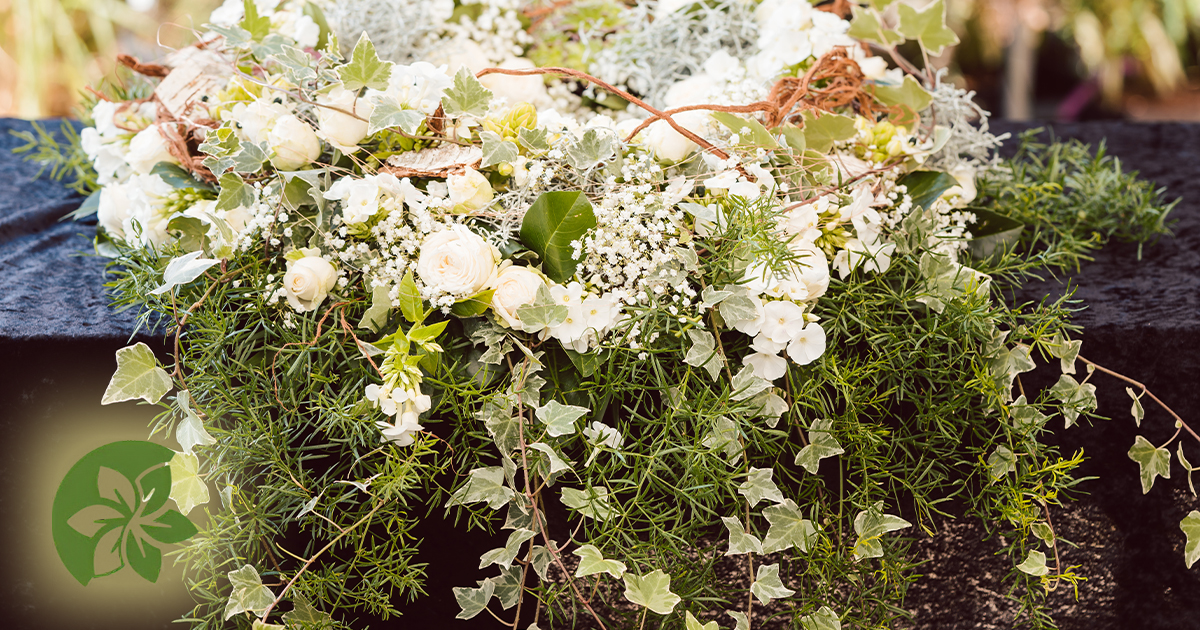
Historically, flowers have been synonymous with mourning. Gorgeous floral arrangements adorn caskets, dress funeral homes, and offer comfort amidst grief. However, as society has evolved, so have customs surrounding funerals. The custom of sending flowers may be losing relevance for some, and the decision to request donations rather than flowers reflects a shift towards more meaningful expressions of sympathy.
A Symbol of Living Ethos
Requesting donations in lieu of flowers symbolizes a commitment to living values. It often indicates that the deceased was passionate about certain causes, and friends and family are encouraged to continue that passion. This act permeates an emotional undercurrent of vitality amidst sorrow—transforming grief into a powerful gesture of love and commitment.
Moreover, this choice can also alleviate the burden of floral arrangements during an already challenging time. Mourners may find solace in contributing to something greater than themselves, forging a link between their personal loss and a cause that resonates deeply.
Etiquette Behind the Request
When contemplating whether to follow a request for donations instead of flowers, a keen sense of etiquette is essential. First and foremost, it is vital to honor the wishes expressed by the family. Should they indicate that contributions are preferred, then adherence to their request should be seen as a mark of respect for their grieving process.
Furthermore, if it is unclear which charity to support, reaching out to close family or friends for guidance can be a thoughtful approach. Engaging with relatives can open dialogues about the legacy of the deceased and reconnect grieving individuals with shared values.
This gesture is not merely transactional; it becomes an emotional act that can serve as a source of healing and comfort for those left behind.
Choosing the Right Cause
Should you be inclined to contribute to a charity, the next step lies in selecting the appropriate organization. Consider causes that reflect the values held dear by the deceased, such as health awareness, environmental preservation, supporting the arts, or local community services. This alignment not only honors the memory of the departed but may also act as a beacon of hope for the bereaved.
Take time to research the organization’s legitimacy and impact. A donation that empowers the chosen charity can reflect the life and ideals of the departed, ensuring that their legacy persists in a meaningful manner.
Recognition and Acknowledgment
Once a donation has been made, it is courteous to inform the family of the contribution. Sending a card or a note detailing the donation reinforces the intent behind the gesture, allowing family members to recognize the support they receive during their time of grief. This continues the cycle of remembrance, fostering connections among those mourning.
For Those Wishing to Send Flowers
Conclusions: Navigating Personal Grief and Communal Memory
The evolving practices surrounding funerals and memorials highlight our need to express grief not just personally, but communally. The phrase “in lieu of flowers” serves as a poignant reminder that while floral gifts possess their own beauty, enduring tributes often arise from thoughtful acts that reflect shared values. The practice of donating to a cause can facilitate healing, both for those directly affected by the loss and the broader community, providing an avenue for transformation through shared grief.
Ultimately, engaging with the sentiment behind “in lieu of flowers” transcends mere tradition. It invites us to acknowledge the life lived, honor the memory, and foster connections in the wake of loss. Embracing this ethos allows bereaved loved ones to translate sorrow into action, illuminating a path forward in a time filled with darkness.












