
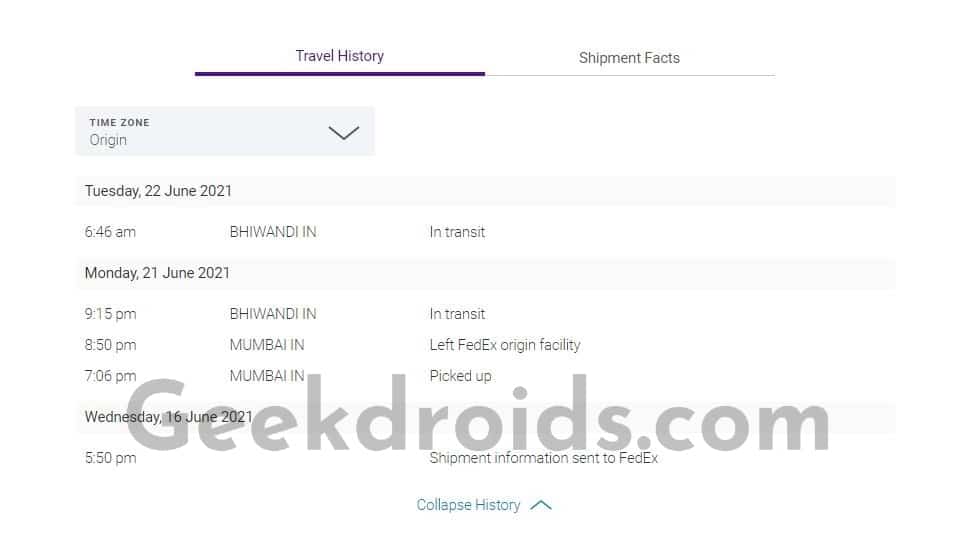
When you order a highly anticipated package online, the excitement builds as you track its journey towards your doorstep. It’s almost like playing a game of hide and seek. One moment, you’re eagerly awaiting its arrival, and the next, you see that it’s marked as “in transit.” This status can be both exhilarating and confusing, as you might wonder what exactly happens next. Are you on the winning end of this delivery adventure, or are you stuck in a waiting game? Let’s delve into the mysterious realm of shipping statuses and uncover what “in transit” really means.
Understanding what “in transit” indicates is pivotal for both buyers and sellers alike. This status represents a significant phase in the lifecycle of a package, signaling that it is en route to its destination. Yet, it is also a term enveloped in ambiguity, prompting myriad questions. For instance, how long will it remain “in transit”? What factors influence its journey? And what can you do if your parcel seems to be stuck in limbo? Allow us to dissect the layers of this shipping status and traverse the ups and downs of the delivery process.
1. Decoding the “In Transit” Status
To start, let’s clarify what it means when your package is labeled “in transit.” This phrase indicates that the parcel is actively moving between locations. Whether it is in a delivery truck, being sorted at a distribution hub, or making a stop at a parcel facility, its journey towards you has commenced. The package has been picked up from the sender and is currently in the hands of a shipping carrier, such as FedEx, UPS, or USPS.
During this phase, several logistical maneuvers take place. The item might be traveling a specific route that facilitates prompt delivery or may be transferred between different modes of transportation, such as air and road. Understanding these intricacies can help assuage worries as you await your treasured item.
2. The Journey of Your Package
The transit process can be likened to a relay race, with each leg handled by various party members—the seller, shipping service, and even the customs officials, if your package is crossing borders. This dynamic interplay is what affects the duration of the transit period. Several variables come into play, including:
- Origin and Destination: The distance between the shipping point and the delivery address can significantly influence transit time. A package traveling across state lines may take longer than one moving within the same city.
- Transportation Mode: Air shipping typically expedites the process, but ground shipping may be more economical. Depending on the service level chosen by the sender, the speed of delivery will vary.
- Weather Conditions: Natural elements can wreak havoc on shipping schedules. Severe weather, like snowstorms or hurricanes, can delay transit times.
- High Volume Periods: During peak shopping seasons—think holidays or sales—parcel services experience a dramatic uptick in deliveries. This surge can result in longer transit times.
3. When “In Transit” Turns Into “Stuck”
Although the “in transit” status generally implies active movement, there are situations where a package seems to stall. Perhaps you’ve been staring at the tracking page, watching the status remain unchanged for several days, or you’ve noticed that it has arrived at a facility but hasn’t moved further. This can induce feelings of frustration. So, what should you do if your package appears to be stuck?
- Patience is Key: Sometimes, packages are simply delayed due to backlog at a shipping hub or during transit. Allow for a few extra days before panicking.
- Check for Updates: Always verify tracking details. Sometimes service providers update their systems slowly, but your package may still be on the move.
- Contact Customer Service: If your package seems truly lost, reach out to the shipping carrier’s customer service. They can provide insight and initiate an investigation if necessary.
4. Factors Influencing Delivery Communication
It’s also essential to consider that shipping companies may not provide frequent updates during transit. Depending on the route, you might see a status change only when the package reaches major milestones, such as departing a facility or arriving at the local distribution center. This can add to the suspense but is a common part of the shipping process.
5. The Final Leg: From “In Transit” to Delivered
Finally, when your package reaches the delivery locality, the status will often change to “out for delivery.” This update is the herald of your package’s imminent arrival. The route might still entail a few more steps—like last-minute sorting or waiting for a driver—but the end is near. If you are on the lookout, this is your cue to stay close to the door.
As the clock winds down towards delivery, excitement mounts. Soon, the box will be in your hands, reminding you that the perplexing path it took was worth the wait. Reflecting on this process not only enriches your understanding of shipping logistics but also enhances your appreciation of modern ecommerce
In conclusion, the “in transit” display is a pivotal indicator in your package’s journey. Navigating through this shipping status is both an adventure and a potential challenge, yet armed with knowledge and patience, you can manage the wait and embrace the thrill of your delivery saga. Happy tracking!












