
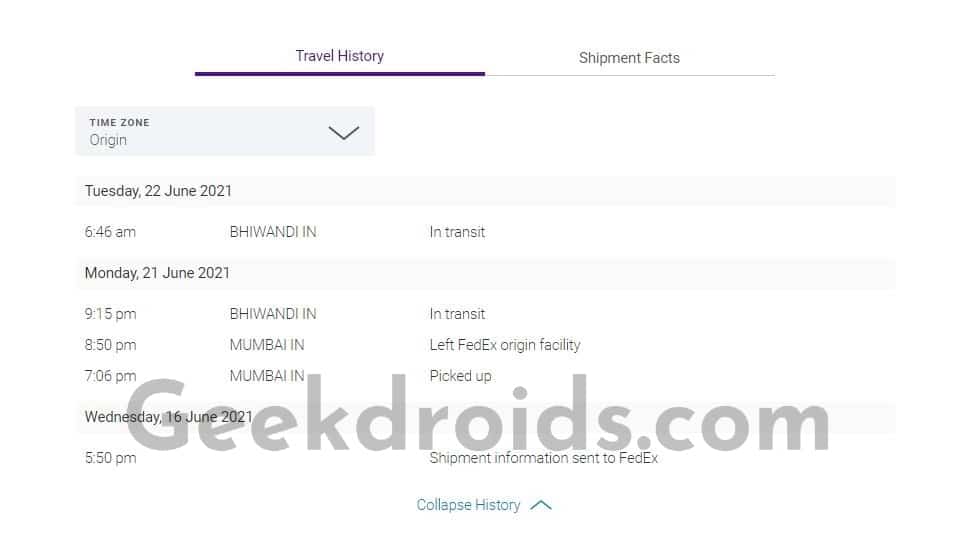
Understanding shipping statuses can often be esoteric, leaving consumers pondering the myriad details entangled with the logistics of their packages. One such ambiguous term frequently encountered is “In Transit to Destination.” This phrase, while seemingly straightforward, harbors layers of implications about the shipping process, heightening anticipation for recipients waiting for their goods. Here’s a deep dive into what this status signifies, its nuances, and the journey your package undertakes.
1. The Journey Begins: An Overview of Shipping Statuses
Before deciphering the term “In Transit to Destination,” it is worthwhile to explore the broader spectrum of shipping statuses. Typically, the lifecycle of a shipment encapsulates various phases: it begins with the order being processed, transitions to being packed, and ultimately is dispatched. Following shipment, the package enters several stages such as “Out for Delivery,” “Delivered,” and, most notably, “In Transit.” Each of these phases sheds light on the status of your shipment, allowing you to track its progress.
2. Decoding “In Transit to Destination”
When you encounter the “In Transit to Destination” status, several key messages are conveyed. Primarily, it indicates that the package is actively en route to its final destination. However, this phase encapsulates more than mere movement; it encompasses the entire journey encompassing logistics, transfers, and processing.
This status can occur at various points within the journey. For instance, the package may be traveling between shipping hubs or moving towards local distribution centers. Thus, “In Transit to Destination” signifies an ongoing process where the package progresses but has yet to reach its final stop.
3. The Lifecycle of an “In Transit” Package
Understanding the lifecycle of a package categorized as “In Transit to Destination” enhances one’s comprehension of the logistics involved. Here’s a step-by-step breakdown:
- Departure: The package leaves the warehouse or fulfillment center and is typically scanned for tracking purposes. This marks the beginning of its journey.
- Transportation: The package embarks on a long-distance journey, potentially crossing state lines or even international borders. Various transportation methods—ground, air, or sea—may be utilized, depending on distance and urgency.
- Transfer: At various points, the package may be transferred between different carriers or shipping centers. Each transfer entails additional scans that update the tracking information for the recipient.
- Near Destination: As the package approaches the designated sorting facility near its destination, the final scan often marks its status as “Out for Delivery.” This indicates that it is close to being delivered to your doorstep.
4. Factors Influencing the Duration of “In Transit” Status
While it is natural to expect timely delivery, several factors can influence the duration of the “In Transit” status. Some of these elements may increase the waiting time:
- Distance: The farther the package needs to travel, the longer its status may remain in transit. Delays can occur over state borders or during international shipping.
- Transport Conditions: Weather disturbances, political changes, or natural disasters can affect the speed of transport. Such factors can lead to disruptions or slowdowns.
- Peak Seasons: During holidays or high-demand periods, shipping services experience increased volume. This surge can cause backlogs, impacting transit times.
- Operational Efficiency: Every shipping provider has different operational efficiencies. Variances in how carriers manage their logistics can also play a role.
5. What to Do During the “In Transit” Phase
While waiting for a package marked “In Transit to Destination,” there are several actions consumers can take to alleviate their anticipation:
- Track Regularly: Utilizing the carrier’s tracking system enables you to stay informed. Regular updates can provide peace of mind.
- Reach Out: If extended delays occur, don’t hesitate to contact customer service. They can offer valuable insights or potential resolutions.
- Prepare for Delivery: Being proactive allows you to ensure that someone is home to receive the package. Prepare for various scenarios, especially if it necessitates a signature.
6. The Psychological Aspect of “In Transit” Waiting
The waiting period during which a package is “In Transit to Destination” can evoke a range of emotions. The sense of excitement is often juxtaposed with anxiety about potential delays. Recognizing this psychological aspect can be enlightening; understanding that this anticipation is part of an intricate system interplay can transform your perspective on receiving goods.
In this age of instant gratification, it’s easy to forget the complexities involved in shipping processes. Pausing to appreciate the logistics can shift your perspective and cultivate a sense of patience.
7. Conclusion: Embracing the Anticipation
Ultimately, the status “In Transit to Destination” embodies a dynamic journey through the realms of logistics, timing, and the intricacies of transport systems. As consumers, acknowledging the multifaceted nature of this phase not only enhances our understanding but also deepens our appreciation for the operations occurring behind the scenes. So, the next time you see that status, remember it’s not merely a progression but a narrative of movement and anticipation—a promise that your package is on its way.












