
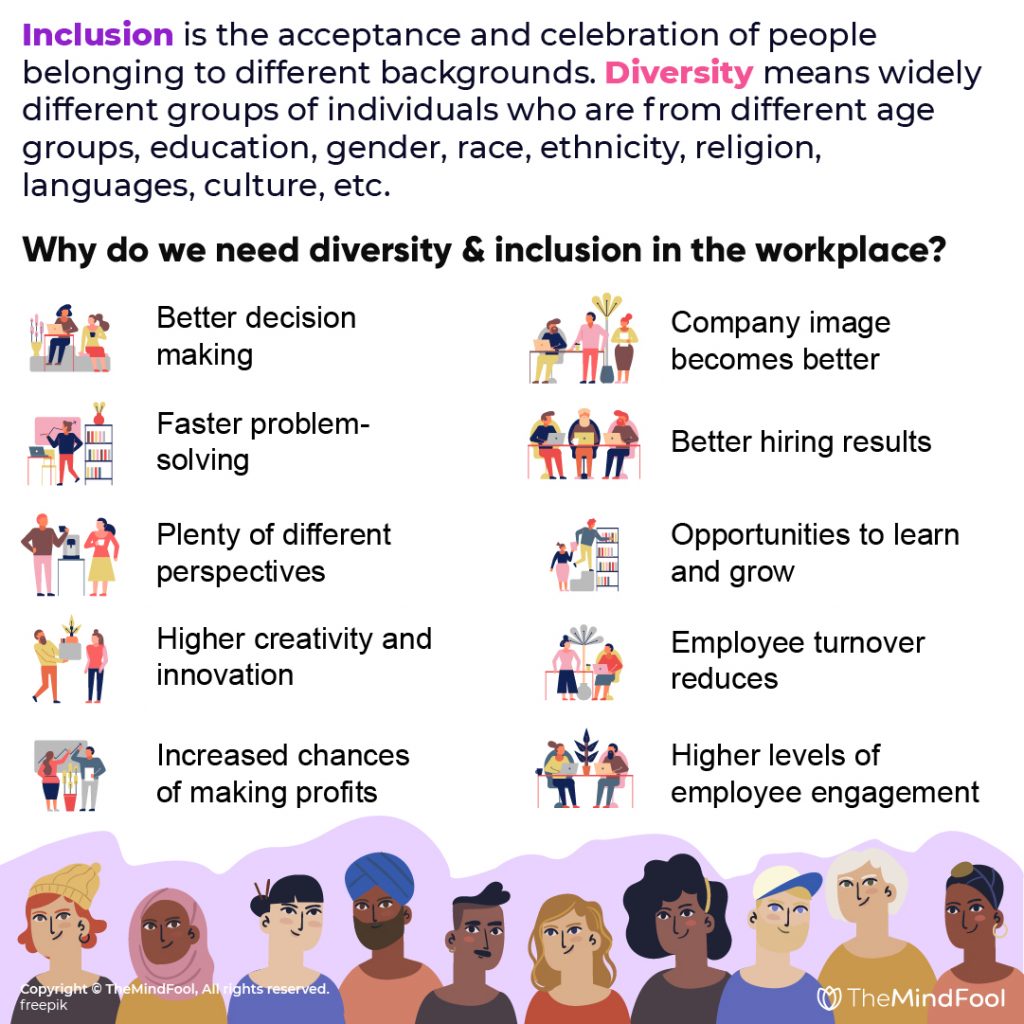
Inclusion is a multifaceted concept that extends far beyond mere presence or participation. It beckons us to rethink how we view community, belonging, and the value of diversity in our lives, workplaces, and educational settings. When we contemplate the phrase, “What does inclusion mean to you?” we are inevitably invited to embark on an introspective journey that challenges preconceived notions and invites a rich tapestry of perspectives.
At its core, inclusion signifies more than just the act of inviting individuals into a space; it is the creation of an atmosphere where every person, irrespective of their background, abilities, or identity, feels valued and respected. This nuanced understanding beckons us to delve deeper into the implications of true inclusion, igniting curiosity about how it shapes our social fabric.
1. The Essence of Belonging
To truly grasp what inclusion means, we must first explore the intrinsic human need for belonging. Belonging is not simply about physical presence; it is the emotional tapestry that makes individuals feel accepted and cherished. In inclusive environments, this sense of belonging transforms the dynamics of interaction. When people feel they belong, they are more likely to engage wholeheartedly, contributing their unique perspectives and experiences.
This phenomenon fosters an environment ripe for collaboration. Inclusive practices recognize the multifarious experiences that individuals bring. Imagine a workplace where diverse ideas flourish. Innovations spark not merely from a melting pot of talents but from an understanding that every individual has something invaluable to contribute.
2. The Symphony of Diverse Voices
Inclusion invites a rich array of voices into the conversation. This diversity transcends mere representation; it is a harmonious orchestration of perspectives that challenges the status quo. Just as a symphony relies on each instrument to create a beautiful melody, inclusivity thrives when every voice, whether loud or soft, is heard. The beauty in this collaboration lies in its power to bring forth transformative solutions that address complex challenges.
Listening actively to diverse voices cultivates empathy. It leads us to embrace cultural nuances and understand the myriad ways in which people experience the world. When we appreciate these differences, we enrich our own perspectives and develop a deeper understanding of one another.
3. The Intersection of Inclusion and Equity
Although inclusion and equity are often conflated, they reflect distinct yet interconnected concepts. Inclusion is the umbrella under which all individuals find a place. Equity, on the other hand, ensures that every individual has access to the resources and opportunities essential for participation. The distinction is critical, as true inclusion cannot thrive in an environment marred by inequity.
Equitable practices dismantle systemic barriers that hinder participation. They advocate for the allocation of resources in a manner that addresses both individual and collective needs. In educational contexts, this might mean providing tailored support for students with disabilities or backgrounds that require additional assistance. In workplaces, it could involve mentorship programs aimed at underrepresented groups. Such initiatives exemplify how inclusion is embedded in practices that promote fairness and justice.
4. Shifting Perspectives: Beyond Tolerance
To cultivate an environment of inclusion, we must transcend the notion of mere tolerance. Tolerance suggests a passive acceptance of differences, whereas inclusion is an active embrace of diversity. Engaging in dialogues that challenge biases and assumptions is imperative. We must reflect on our own beliefs and practices to foster a culture that champions inclusion.
This shift in perspective invites curiosity about the experiences of others. It emboldens us to ask, “What would it feel like to walk in someone else’s shoes?” By seeking to understand the challenges faced by marginalized groups, we deepen our connection to humanity and enhance our collective resilience.
5. The Transformative Power of Inclusion in Education
Within educational realms, inclusion is profoundly transformative. It alters the pedagogical landscape, creating dynamic and engaging learning environments. Inclusive classrooms challenge traditional methods that often cater to the majority. Instead, they embrace varied teaching styles and learning modalities to meet diverse needs. This approach not only nurtures individual strengths but also fosters respect for differences among peers.
When students witness their identities reflected in curricula, they experience enhanced engagement and motivation. Inclusive educational practices cultivate a sense of agency and ownership over one’s learning journey. In this environment, students learn not only academic skills but also critical life skills such as empathy, collaboration, and respect for diversity—competencies essential for navigating the complexities of the modern world.
6. Inclusion in the Workplace: A Catalyst for Innovation
In the corporate world, the integration of inclusive practices can serve as a powerful catalyst for innovation. Organizations that prioritize inclusion leverage the extensive diversity of their workforce. This diverse tapestry translates into a plethora of ideas and viewpoints that can disrupt stagnation and propel growth. Companies that embrace inclusion do not merely reap the benefits of enhanced creativity; they also foster improved employee satisfaction and retention.
When individuals feel included, they are more inclined to take risks and contribute innovatively. This willingness to share ideas can lead to groundbreaking advancements and strategies, positioning organizations as leaders in their fields. In essence, inclusive workplaces are not merely about ethical responsibility; they are instrumental in fostering a competitive edge.
Conclusion: Embracing the Journey of Inclusion
Inclusion is more than a destination; it is a continual journey of growth, understanding, and transformation. As we ponder the question, “What does inclusion mean to you?” we encounter the profound opportunity to redefine our relationships and surroundings. Truly embracing inclusion compels us to recognize the beauty in our differences, to advocate for equity, and to engage courageously in conversations that foster connection.
The promise of inclusion lies in its potential to reshape our world, creating spaces that celebrate diversity. When we actively participate in this journey, we contribute not only to our personal growth but also to the collective evolution of society. Let us embrace inclusion not merely as a concept, but as a vital practice that enriches our lives and inspires future generations.












